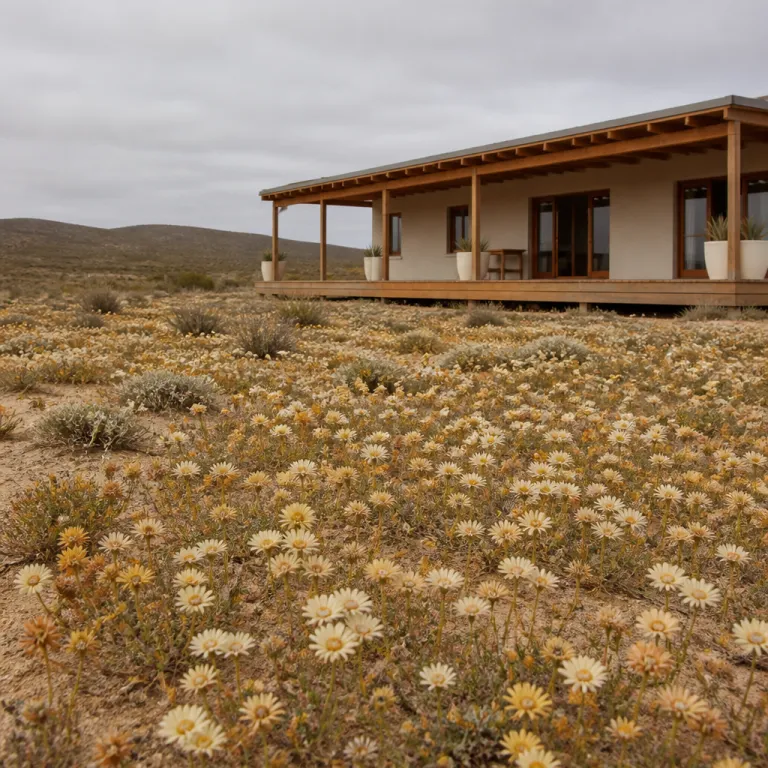
Namaqualand wildflower accommodation for families who travel for colour
Namaqualand sits in the Northern Cape, where a hard baked landscape suddenly turns soft under carpets of wild flowers. When winter rain has been generous, the flower season becomes a four week spectacle that pulls South African families out of Cape Town and up the N7 in a steady, excited stream. The transformation from wild scrub to rolling fields of orange, purple and white spring flowers feels almost theatrical.
The Namaqualand Tourism Board expects a strong bloom after increased rainfall, and their data driven updates help you choose a good time for your trip. Their guidance is clear; “Visit on sunny days between 10am and 3pm for best flower viewing,” and “Drive north-to-south to have flowers facing you.” Those two small details shape how you plan your days, especially when you are balancing nap times, snacks and the patience of younger travellers. For current forecasts, check their late June and mid July seasonal summaries, which draw on South African Weather Service rainfall data.
For most visitors, the journey starts in Cape Town, then runs north along the west coast before bending inland toward Springbok and the Namaqua National Park. This is classic road trip country in South Africa, with long straight stretches, wide skies and the occasional town where a single fuel station doubles as a café and local news hub. Families who prefer to break the drive often combine the west coast with a later loop back via the Garden Route, turning a flower focused escape into a broader south to north coastal circuit.
Choosing Namaqualand wildflower accommodation is less about marble lobbies and more about proximity to petals and practical comfort. You will find characterful farm stays, polished guesthouses and a handful of nature reserve camps that offer front row access to flowers Namaqualand is famous for. The best options understand that this season is short, that late August and early September are precious, and that guests want both warm duvets and clear advice on where the wild flower carpets are strongest each morning.
Where the flowers are closest to your pillow: key stays and landscapes
The heart of the bloom stretches from the Namaqua National Park near the coastal conservation corridor, up past Springbok and into the inland plateaus around Nieuwoudtville. Around Kamieskroon, small lodges and farm based accommodation sit within easy driving distance of both the park and the higher ridges where different flowers respond to shifting light. Many of these properties are family run, and their owners track the flower season almost plant by plant, sharing daily details over breakfast.
Inside the Namaqua National Park itself, seasonal camps place you inside the wild, with canvas walls, proper beds and the kind of silence that makes the night sky feel close. These camps are not ultra luxe, yet for many South African families they are the most memorable form of Namaqualand wildflower accommodation, because children can step straight from tent to bloom. The nearby Skilpad section of the park is especially rewarding in late August, when wild flowers tilt their faces toward the sun and the slopes resemble a painter’s palette.
Along the west coast, from the West Coast National Park down toward Paternoster, the flower season arrives slightly earlier, often from mid August, and pairs beautifully with beach walks and seafood lunches. This coastal stretch works well for families who want shorter drives and a softer entry into Namaqualand south, before committing to the longer haul toward the Northern Cape interior. It also links naturally with mountain stays in the Cederberg, where properties featured in our guide to under canvas Cederberg retreats offer a different kind of wild, with sandstone peaks instead of petals.
Luxury travellers used to Cape Winelands estates should adjust expectations here; the charm lies in thoughtful hosting, not chandeliers. A good time to arrive is the day before you plan to visit the main flower zones, so you can start fresh, follow local advice and drive the recommended north to south routes with the blooms facing you. Look for accommodation that offers flexible breakfast times, packed picnic baskets and clear guidance on which nature reserve or park entrance will suit your family’s energy levels that day.
Timing the bloom: when to book, when to drive, how to pace it
Wildflower season in Namaqualand usually runs from mid August to mid September, with peak colour often landing in late August when the winter rain has soaked deep enough into the soil. In strong rainfall years, carpets of wild flowers can last into early September, especially in slightly cooler, higher lying areas of the Northern Cape. The Namaqualand Tourism Board currently expects around four weeks of strong bloom, based on recent seasonal rainfall summaries from the South African Weather Service and their own on the ground monitoring.
For families, the most practical window is often the last two weeks of August and the first week of September, when school holidays, milder daytime temperatures and reliable light align. That period is also when accommodation sells out fastest, particularly in and around Namaqua National Park and the smaller nature reserve properties that sit between Springbok and Kamieskroon. Booking your preferred Namaqualand wildflower accommodation at least six months ahead is not over cautious; it is the only way to secure interleading rooms or family suites in the most sought after lodges.
Think of your days in three parts: a relaxed start, a late morning flower drive, then a slower afternoon back at your base. Because the flowers open fully only once the sun is higher, there is no need to rush children out at dawn, and a good time to leave is around 09:30 so you reach the main viewing loops by 10:30. Build in one rest day with no major driving, perhaps at a property like the refined mountain retreat we profile in our review of Giants Castle Lodge in the Drakensberg, if you are combining Namaqualand with other South African mountain escapes.
Keep a close eye on online bloom updates from the Namaqualand Tourism Board and from local tour operators, who often post real time images from the field. Their teams also answer practical questions about which park gates are busiest, how the tracks are holding after rain, and whether certain loops are better for younger children who tire quickly. When in doubt, contact them directly at the start of your trip and ask for route suggestions tailored to your family’s ages and driving tolerance.
Designing a family friendly wildflower road trip from Cape Town
Most families begin their Namaqualand journey in Cape Town, then follow the N7 north toward Namaqualand south, breaking the drive into manageable sections. A classic pattern is to spend the first night near the West Coast National Park, where children can run on the beach before you introduce them to the first fields of flowers. From there, you continue toward Springbok and the Namaqua National Park, where the wild landscapes feel more remote and the colours more intense.
For younger children, limit daily driving to three or four hours, and choose accommodation with outdoor space, simple playgrounds or safe farm tracks for evening walks. Many farm stays in the Northern Cape offer this kind of low key freedom, along with hearty dinners and early breakfasts that suit families who want to start their flower drives soon after sunrise. When you select Namaqualand wildflower accommodation, ask specifically about family rooms, child friendly meal times and whether they can prepare picnic baskets, because eating among the blooms is often the highlight of the day.
Photographers and botanists often plan longer stays, but families usually find that three to four nights in the core flower belt is enough, especially if you are combining it with the Garden Route or a later safari. If you are heading on to a reserve such as the elegant Sabi Sand property we feature in our review of Elephant Plains Safari Lodge, the contrast between wild flowers and wildlife makes the overall trip feel layered and rich. The key is to pace the journey so that children do not associate the word wild only with long hours in the car.
Safety and comfort matter as much as spectacle, so carry extra water, sunscreen, hats and a basic first aid kit, especially when exploring remote nature reserve tracks. The official guidance from local authorities also reminds visitors to respect park rules, stay on designated routes and avoid trampling the flowers Namaqualand is working hard to protect. If you prefer not to self drive, local tour operators offer guided options that handle the logistics, leaving you free to focus on the colours, the light and the quiet conversations that happen when a family stands together in a field of petals.
FAQ
When is the best time to visit Namaqualand for the wildflower season ?
When is the best time to visit Namaqualand for the wildflower season? Mid-August to mid-September, with peak bloom typically in late August. This window usually offers the most reliable wild flowers, especially when winter rain has been strong. Families should still check current updates, because exact timing shifts slightly each season.
How long does the Namaqualand wildflower bloom usually last ?
The core flower season generally lasts around four weeks, although some areas peak earlier or later. Coastal zones near the West Coast National Park often start first, with inland Northern Cape plateaus holding colour slightly longer. Plan at least three nights in the region to allow for weather changes and to revisit your favourite park loops.
What should families pack for a Namaqualand wildflower road trip ?
Pack layered clothing, sturdy walking shoes, sunscreen, hats and plenty of water for each person. A camera or smartphone with spare batteries is essential, because the wild flower displays are unusually photogenic. For children, add snacks, simple games for the car and a lightweight blanket for picnics among the blooms.
Is Namaqualand suitable for young children and older relatives ?
Yes, most flower viewing in Namaqualand is done from the car or via short, gentle walks from designated parking areas. This makes it accessible for prams, grandparents and anyone who prefers not to hike long distances. Choose accommodation close to the main park gates to reduce daily driving and build in rest time between outings.
Should we book guided tours or self drive through the flower areas ?
Self drive works well for confident drivers who enjoy flexible timing and unhurried stops. Guided tours with local tour operators suit travellers who want expert commentary, efficient routing and less focus on navigation, especially on gravel roads. Many families combine both, using a guide for one intensive flower day, then exploring at their own pace on the others.