Planning sardine run KwaZulu-Natal accommodation for premium families
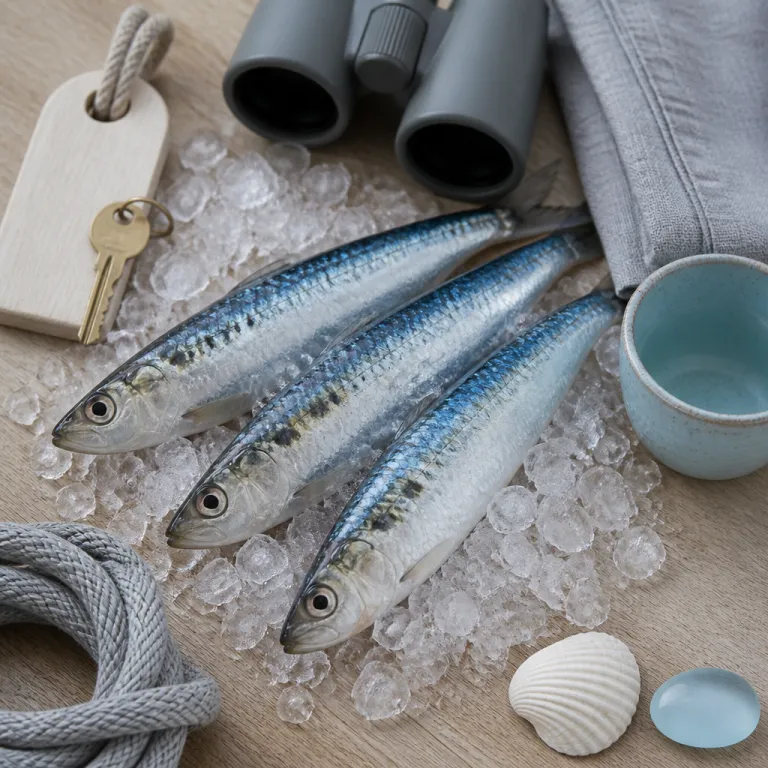
The sardine run along the KwaZulu-Natal coast is not a gentle wildlife vignette but a moving marine metropolis that reshapes the rhythm of the south coast for several weeks. From the Eastern Cape border up towards Durban, billions of sardine fish compress into dark, shifting bands that hug the coast KwaZulu in a narrow ribbon, pulling dolphins, sharks, Bryde’s whales and gannets into a single, roiling line of action. For families planning sardine run KwaZulu-Natal accommodation, the key is understanding that this is a wild event, not a theme park show, and that your choice of accommodation will shape how many sea days you actually spend close to the spectacle.
Peak activity usually falls between June and July, yet early sardine sightings can start in May and the final shoals may slip past Port Edward or further north towards Aliwal Shoal later in the season, so flexible dates and a minimum of four to six days on the coast give you better odds. Local guidance is clear on timing; “June to July offers peak activity.”, and that window is when luxury lodges, self catering holiday options and every well located holiday apartment along the south coast start to fill with South African families and international guests chasing the same moving target. Book your preferred unit or apartment situated near the beach at least several months ahead, especially if you want a sea facing resort with a heated pool, kids’ club and easy access to a reputable dive centre.
For real time intelligence, the SardineWatch community app has become the quiet hero of sardine run planning, giving you live reports of where the main shoals are situated along the coast and whether the action is holding off Port St Johns, Port Edward or closer to Umkomaas and Aliwal Shoal. SardineWatch is run in partnership with the KwaZulu-Natal Sharks Board, which also tracks sardine movements for safety and net management, and both sources publish regular updates on their official channels that you can check before committing to a base. With that information, you can decide whether to anchor your family in one central accommodation complex or split the trip between two coastal towns, always aiming for a flexible open plan itinerary rather than a rigid schedule, because the sardine run rewards guests who can pivot quickly when the sea suddenly erupts in silver.
Where to stay along the south coast for front row viewing
Choosing where to sleep along the KwaZulu-Natal south coast is really about deciding how close you want to be to the moving front of sardine activity and how much comfort your family expects between sea days. The classic sardine run arc runs from the Eastern Cape border near Port Edward and Port St Johns up past the Aliwal Shoal area and on towards Durban, so a chain of coastal towns offers very different accommodation personalities. For premium families, the sweet spot is often a beachfront resort or high end catering apartment that sleeps four to six guests, with a wide balcony view over the sea and quick access to both the beach and a trusted dive centre.
Port Edward on the Natal south coast works well as a southern base, especially when the sardine shoals are still moving up from the Eastern Cape and past East London and Coffee Bay, because you can drive south for day trips or stay put when the fish hug the local beach. Here you will find a mix of luxury apartments in a secure complex, freestanding catering houses with gardens and pools, and serviced accommodation units that offer hotel style amenities but with more space for children and gear. Many of these properties are situated within walking distance of the sea, so you can watch early morning gannet dives from your terrace before deciding whether to book a boat or simply enjoy the spectacle from the sand.
Further north, the Umkomaas and Aliwal Shoal area is the spiritual home of the sardine run dive community, and it is where serious underwater photographers and advanced divers often base themselves for several days. Here, sardine run stays in KwaZulu-Natal lean towards guesthouses, small resorts and self catering holiday apartments, many with open plan living spaces and lock up gear rooms, and almost all within a short drive of a professional dive centre such as Blue Ocean Dive Resort or Aliwal Dive Centre. To give a sense of scale, most accommodation in Umkomaas village lies roughly 10–15 minutes by boat from the main Aliwal Shoal reef system, while properties in Scottburgh are typically a 15–25 minute drive from Umkomaas launch sites depending on traffic. If you prefer a more classic luxury beachfront hotel experience with polished service and curated activities, look at the new generation of oceanfront escapes along the wider KwaZulu-Natal coast, which you can research through guides to luxury beachfront hotels in South Africa that highlight properties combining strong design with direct beach access.
Inside the spectacle: what families actually see and do
From the shore, the sardine run can feel almost unreal; one moment the sea is calm, the next a dark band of sardine fish pushes along the coast while gannets plunge like white arrows and dolphins carve through the surf in tight, coordinated bursts. On good sea days, you may watch from a beach catering deck or the lawn of your resort as bait balls form just beyond the breakers, with sharks and sometimes Bryde’s whales joining the action in a feeding frenzy that looks chaotic but follows a clear predator choreography. Families with younger children often find that this land based theatre, combined with gentle walks along the beach and warm drinks back at an open plan apartment, offers more than enough drama without ever boarding a boat.
For older children and confident swimmers, boat based excursions and snorkeling trips add another layer of immersion, and many operators along the south coast and into the Eastern Cape run sardine specific outings during peak days. Typical trips depart early, with a briefing at the dive centre, a run through safety protocols and then a fast ride along the coast to intercept the main shoals, where guests may enter the water on snorkel or scuba depending on conditions and experience. This is where sardine run KwaZulu-Natal accommodation near a professional dive complex really pays off, because you can roll out of bed, walk a few minutes to the harbour and be in the water while the light is still soft and the sea is relatively calm.
Not every day delivers textbook action, and that is where thoughtful accommodation choices matter for premium families who value comfort as much as spectacle, because a well equipped catering apartment or spacious catering house turns a quiet day into a relaxed coastal holiday rather than a disappointment. When the sardine shoals hold off Port St Johns or further south near East London, you might spend the day at the pool, explore local markets or even drive inland for a farm lunch, drawing inspiration from road trip style guides to farm restaurant stays along the Garden Route to shape your own Natal south detours. The point is to treat the sardine run as the wild, unpredictable centrepiece of a broader South African winter escape, not the sole reason your family has travelled to this stretch of coast.
How to book smart: safety, timing and new luxury openings
Safety and logistics sit at the heart of any sardine run KwaZulu-Natal accommodation plan, especially for families who want the thrill of the action without unnecessary risk, so start by choosing operators and properties that take both marine conditions and child friendly infrastructure seriously. Local guidance is clear; “Are there safety concerns during the Sardine Run?" "Follow local guidelines and use reputable tour operators." and that means checking that your chosen dive centre is accredited, that life jackets and emergency gear are standard on every boat and that your resort or apartment complex has clear protocols for rough seas and strong surf. On land, look for accommodation that offers secure parking, controlled access and child safe pools, because winter light may be soft but the sea and weather can still turn quickly.
To simplify planning, use a single booking and safety checklist:
- Confirm sardine activity and recent sightings via the SardineWatch app and official KwaZulu-Natal Sharks Board updates before fixing dates.
- Book three to six months ahead for June and July if you want premium beachfront units, larger apartments that sleep families or houses in secure complexes.
- Prioritise properties situated within easy reach of both the beach and main roads so you can drive north or south at short notice if the main shoals shift.
- Check that your chosen operator is accredited, carries safety gear as standard and publishes clear age limits and sea condition policies for family trips.
- Consider splitting your stay between a southern hub such as Port Edward and a more central town closer to Aliwal Shoal to gain two vantage points and reduce the risk of missing peak action.
On the luxury front, the accommodation landscape along the KwaZulu-Natal coast is evolving, with established resorts being joined by new high end developments that bring a more international level of polish to this traditionally relaxed stretch of South Africa. The much discussed Club Med project on the KwaZulu-Natal south coast, for example, has been announced in local tourism media and signals a growing appetite for all inclusive resort experiences that package sea facing rooms, kids’ clubs, guided activities and curated dining into a single, seamless stay, which will appeal to premium families who prefer a single booking over juggling multiple holiday apartment reservations. If you are interested in how winter travel is shifting more broadly, especially around conservation focused stays that pair wildlife with comfort, it is worth reading about midyear conservation weeks at South Africa’s reserves to understand how sardine run trips can sit alongside bush escapes in a single, well structured itinerary.
FAQ
When is the best time to see the sardine run along the KwaZulu-Natal coast ?
The most reliable period for sardine run viewing along the KwaZulu-Natal coast is from June to July, when cooler water temperatures and prevailing currents align to push dense shoals northwards. Early sardine activity can begin in May near the Eastern Cape border, and the final fish may pass the Natal south coast later in winter, so a flexible window of several days improves your chances. For families booking sardine run KwaZulu-Natal accommodation, planning a week on the coast during this broader winter period offers a good balance between certainty and the event’s natural unpredictability.
What should I pack for a sardine run focused coastal holiday in South Africa ?
Pack layered warm clothing for crisp mornings, a waterproof outer shell for boat trips, and closed shoes for walking along rocky sections of the beach, because winter on the south coast can be cool even when the sun shines. For time on the water, bring your own mask and snorkel if you prefer, although most dive centres and operators provide full equipment, and always include high SPF sunscreen, a hat and a dry bag for electronics. In self catering apartments or a catering house, simple extras such as binoculars, a thermos for hot drinks and a compact first aid kit make sea days and early starts more comfortable for the whole family.
Is the sardine run suitable for children and non divers ?
The sardine run can be very family friendly when planned around shore based viewing and short, conservative boat trips rather than advanced dive expeditions, so it suits children who are comfortable on the water and happy to wear life jackets. Many premium resorts and holiday apartment complexes along the KwaZulu-Natal south coast offer easy beach access, elevated decks and lawns where you can watch the action from land, which is ideal for younger children or non swimmers. If you do book a boat excursion, choose a reputable operator, check age limits and sea conditions, and be prepared to cancel or shorten outings if the swell or wind makes the experience uncomfortable.
How far in advance should I book sardine run KwaZulu-Natal accommodation ?
Because the sardine run attracts both South African travellers and international visitors, coastal accommodation from Port Edward to the Aliwal Shoal area often fills quickly for June and July, so booking three to six months in advance is sensible for premium properties. Larger units that sleep families, such as multi bedroom apartments or catering houses in secure complexes, are particularly sought after because they combine space with sea views and proximity to the beach. If you prefer to wait for more precise sardine movement data from tools like SardineWatch, you can still find last minute options, but you may need to compromise on exact location or property type.
Do I need to be an experienced diver to enjoy the sardine run ?
You do not need any diving experience to enjoy the sardine run, because much of the drama is visible from the shore or from boats where guests remain on deck, watching dolphins, gannets and whales work the shoals along the coast. For those who want to enter the water, many operators offer snorkeling based trips that require only basic swimming ability and comfort in open sea conditions, while scuba diving around bait balls is reserved for certified divers with appropriate experience. When choosing sardine run accommodation in KwaZulu-Natal, staying near a professional dive centre gives you the flexibility to book either non diving wildlife cruises or more technical underwater excursions as your confidence and conditions allow.