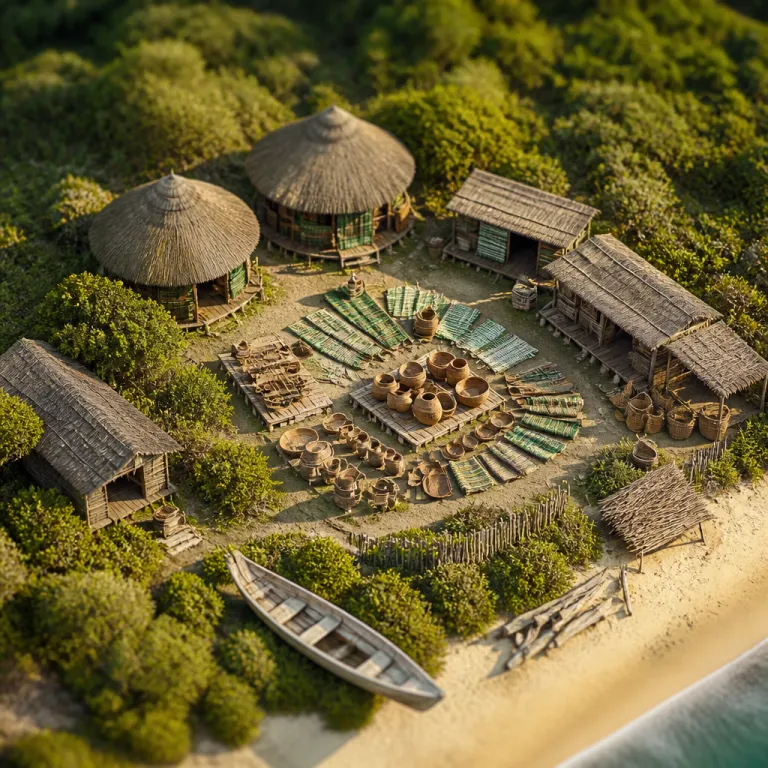
Wild Coast cultural lodge Eastern Cape: where landscape and lineage meet
The phrase wild coast cultural lodge Eastern Cape captures a shoreline where heritage shapes every stay, but the reality is richer than any search term. Along this remote stretch of coast in the Eastern Cape of South Africa, green hills tumble into surf while Xhosa homesteads dot the ridges like quiet sentinels. Luxury here is less about marble lobbies and more about waking to cow bells above the beach and smoke from a village hearth drifting across the bay.
This is the Wild Coast of South Africa, historically part of the former Transkei homeland and still one of the least developed sections of the country’s eastern seaboard. The coast feels untamed yet lived in, with cattle paths leading down to the beach and children walking to school along the same route that guests follow on guided tours. Families who usually split their time between Cape Town and the Garden Route often add this region for contrast, trading polished wine estates for a slower rhythm of village life and ocean tides.
What sets a true Eastern Cape cultural stay on the Wild Coast apart is how it weaves traditional Xhosa culture into daily life rather than staging it as entertainment. You might arrive from East London or Port Edward expecting a simple coastal escape, then find your children learning Xhosa phrases from a local guide before a village tour. The result is a stay where the Wild Coast and its people share equal billing, and where every walk to the beach passes through a living community rather than a manicured resort bubble.
Bulungula Lodge and the rise of community owned coastal retreats
Bulungula Lodge, on the Bulungula river mouth near Nqileni village, is the clearest expression of this Wild Coast cultural lodge philosophy. Opened in 2004 as a joint initiative between local residents and social entrepreneur Dave Martin, the lodge has evolved into a benchmark for community-based tourism on South Africa’s Wild Coast. Set on a headland above a sweeping beach, it looks out over a coast that still feels almost pre-tourism, with fishing skiffs pulled up on the sand and traditional Xhosa homesteads scattered across the hills.
The team at Bulungula Lodge describes their model simply and powerfully: they answer the question “What is Bulungula Lodge?” with an equally direct reply, “A community-owned eco-lodge in Nqileni village.” Since 2009, according to lodge documentation, the Nqileni community has held one hundred percent ownership through a local trust, with profits reinvested in education, health and small enterprises. For families used to luxury hotels in Cape Town or along the Garden Route, this is a different kind of premium stay, where your room rate feeds directly into local schools, micro businesses and conservation projects.
Daily life at Bulungula Lodge flows with the rhythms of the village and the coast rather than a rigid resort schedule. Guests join village tours led by residents, learn to grind coffee by hand in a rondavel kitchen, or paddle the river at sunrise while cows wander the beach below. Lodge impact reports note that dozens of jobs have been created in Nqileni and surrounding hamlets, and community-run initiatives now host hundreds of visitors each year. For a deeper dive into urban luxury before or after this coastal immersion, many travellers pair Bulungula with nights in the city’s finest addresses, using a detailed guide to luxury Cape Town hotels to balance bush, beach and design driven stays.
How lodges honour traditional Xhosa culture without turning it into a show
Across the Wild Coast, the most thoughtful lodges treat traditional Xhosa culture as the frame, not the fringe, of the guest experience. Properties like Bulungula Lodge and Swell Eco Lodge use traditional architecture on the outside, then layer in modern comforts inside, so families feel both rooted and relaxed. Staff are almost entirely from nearby villages, which means your guide on a cliff walk is often the same person whose family homestead you pass on the route.
Local partners emphasise that “How do lodges honor Xhosa heritage?” is not a theoretical question here, and the answer they give is specific: “Through traditional architecture and cultural activities.” In practice, that might mean joining a village tour where elders explain why rondavels face a certain way, or sitting with a host while they prepare umngqusho over an open fire. Children quickly understand that this is not a staged performance but daily life, and that respectful curiosity is welcomed when it comes with listening rather than cameras always raised.
Many Wild Coast cultural stays in the Eastern Cape now build their activity lists around cultural immersion rather than only beach time or hiking. You might spend one morning on a guided walk to a nearby nature reserve, then an afternoon learning Xhosa songs with local schoolchildren in the village. For families who have already sampled more conventional coastal luxury, such as all inclusive beach and safari experiences on the KwaZulu Natal south coast, this quieter, community led model often feels like the missing piece in their South Africa journey.
From Coffee Bay to Hole in the Wall: mapping a family friendly Wild Coast route
Planning a family itinerary along this coast means thinking in segments rather than a single resort stay. Many travellers start near Coffee Bay, where the dramatic cliffs and the famous Hole in the Wall rock arch create a natural playground for older children who enjoy hiking. From here, a short drive along the coast brings you to smaller bays and river mouths where lodges sit close to the beach but remain firmly embedded in village life.
The stretch between Coffee Bay and Bulungula Lodge is particularly rich in options that fit the Wild Coast cultural lodge Eastern Cape brief without feeling contrived. Coffee Bay lies roughly five hours’ drive from East London in good conditions, while the onward journey to Bulungula typically adds about two hours on slower gravel roads. You can base yourselves near the beach at Coffee Bay for a few nights, then move along the coast to Bulungula for deeper cultural immersion in Nqileni village.
Further north, the route towards Port Edward skirts river mouths and headlands that still feel remarkably untouched for South Africa’s coastline. Kei Mouth and Morgan Bay offer easy access from East London in around 1.5 to 2 hours on tar, while the road beyond Qolora Mouth towards Port St Johns and the Mzimvubu river gorge becomes wilder and slower. Throughout this journey, the constant is the interplay between coast and culture, with each town, bay and village offering its own balance of beach time, Xhosa heritage and low key, family friendly accommodation.
Practical access, safety and how to balance city luxury with coastal immersion
Reaching a Wild Coast cultural lodge in the Eastern Cape requires more planning than booking a city hotel, but the payoff is a stay that feels genuinely off grid. Most families fly into East London or Durban, then drive along the coast, with the final kilometres often on gravel roads that slow the pace and heighten the sense of arrival. From East London to Bulungula, for example, you should allow around seven hours including the last section on dirt tracks, and a high-clearance vehicle is strongly recommended in wet weather.
Safety along this coast is largely about common sense and respecting local rhythms rather than fearing the unknown. Lodges work closely with village leaders to ensure that walking routes, beach access and river activities are well understood by both guests and residents, and that cultural boundaries are clear. Families are usually accompanied by local guides on village tours, which not only supports employment but also helps children navigate new customs, from greeting elders correctly to understanding when photography is inappropriate.
Many premium travellers pair the Wild Coast with time in Cape Town or the V&A Waterfront, using a stay in the city’s harbourfront hotels to bookend their rural immersion. A detailed look at what a V&A Waterfront address really offers beyond the view helps you decide how to allocate nights between city comfort and coastal simplicity. The contrast is part of the appeal: one night you are choosing between tasting menus in town, the next you are listening to Xhosa stories under a sky bright enough for your children to finally see the Milky Way.
FAQ
What is Bulungula Lodge and why is it significant for families?
Bulungula Lodge is a community owned eco lodge on the Wild Coast near Nqileni village in the Eastern Cape of South Africa. It is significant for families because one hundred percent of the lodge is owned by the local community through a trust structure, so your stay directly supports education, small businesses and conservation projects. The setting above a quiet beach and river mouth also makes it a gentle, low key base for children to experience rural Xhosa life.
How do Wild Coast lodges integrate Xhosa culture into the guest experience?
Wild Coast lodges integrate Xhosa culture through traditional architecture, local staffing and daily activities that are rooted in village life. Guests can join village tours, learn to cook Xhosa dishes, listen to storytelling sessions or participate in craft workshops hosted by residents. These experiences are designed to be respectful and authentic, reflecting ongoing community life rather than staged performances.
Is the Wild Coast suitable for children and multi generational trips?
The Wild Coast works well for children and multi generational trips, provided you choose lodges that understand family needs and plan realistic driving times. Many properties offer simple but comfortable family rooms, easy access to the beach and guided walks that suit different fitness levels. The cultural immersion, from meeting local children to learning new languages and customs, often becomes a highlight for younger travellers.
How do I reach the Wild Coast from major South African cities?
Most travellers fly into East London or Durban, then drive along the coast to their chosen lodge, with the final stretch often on gravel roads. From Cape Town or Johannesburg, you can either connect by air to these regional hubs or include the Wild Coast as part of a longer road trip that also covers the Garden Route or KwaZulu Natal. Lodges usually provide detailed driving directions and can arrange transfers if you prefer not to self drive.
What should I keep in mind to be a respectful guest in Xhosa communities?
Being a respectful guest in Xhosa communities means dressing modestly in villages, asking before taking photographs and following your guide’s lead on local customs. Simple gestures, such as learning basic greetings and accepting offers of coffee or food when appropriate, go a long way. Supporting local businesses, from craft cooperatives to small eateries, also helps ensure that tourism brings tangible benefits to the people who live along this remarkable coast.