What cape winelands truffle season dining feels like on an estate weekend
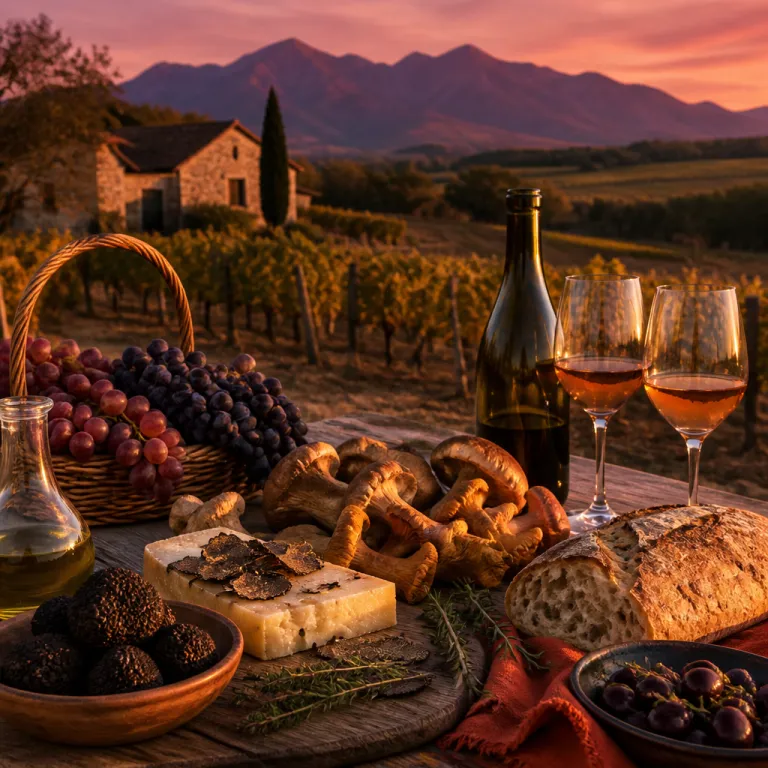
On a clear winter morning in the Cape Winelands, the vineyards lie quiet and the real action shifts beneath the soil. A short walk from your suite, handlers and dogs move between oak trees on the wine estate, noses low as they search for the black Périgord truffle that locals now call the region’s black gold. This is where cape winelands truffle season dining begins, long before any restaurant service or plated course appears.
Franschhoek and Stellenbosch lead this new truffle season, with estates such as Anthonij Rupert Wyne building full weekend experiences around the hunt. Guests join the team in a cordoned space between vines and truffière, watching as the first fresh truffles are lifted from the earth and brushed clean, an experience that feels both agricultural and quietly theatrical. The estate staff will answer questions, take comments from curious couples, and explain how black Perigord truffles moved from European forests to this corner of the Western Cape.
Back at the manor house, the kitchen shifts gear from mud to butter, shaving black truffle over eggs for a late breakfast and whisking truffle butter into sauces that will anchor the evening dining experience. Chefs talk about the things that make South African truffles different, from the Cape climate to the way local wines influence their menu choices. By the time you sit down for your first truffle lunch, cape winelands truffle season dining already feels like a narrative you have lived, not just a themed meal you have booked.
The dogs, the hunt, and the kitchen choreography
On a working wine estate, the hunt starts with a briefing over coffee, not champagne. Handlers outline how the dogs work, why the Cape soils suit black Perigord truffles, and what guests should expect when the first truffles are unearthed. Couples who usually come to the Cape for wine alone often comment that this is the moment the wider terroir of the region finally makes sense.
Once the baskets hold enough fresh truffles, the focus moves indoors and the kitchen becomes the most compelling space on the property. You might stand beside the pass as a chef folds truffle butter into mashed potatoes, or watch a saucier finish a jus with a final shaving of black gold before service. These behind the scenes moments turn a standard lunch into a layered dining experience, where every plate reflects the estate’s land, its wines, and the cool Cape air outside.
By evening, the restaurant lights soften and the first paired wines arrive at the table, often from a flagship wine range that rarely appears by the glass. A sommelier might pour a Cape of Good Hope label next to a richer Franschhoek red, explaining how each wine estate in the valley handles truffle inspired menus differently. This is cape winelands truffle season dining at its most complete, where the hunt, the cellar, and the plate align in a single, unhurried service.
How luxury stays package cape winelands truffle season dining
Premium properties in Franschhoek and Stellenbosch now design winter weekends where truffle season is the main storyline, not a side event. A typical package at a high end wine estate will include two nights in a vineyard facing suite, a guided hunt for black Perigord truffles, and at least one multi course truffle inspired dinner with paired wines. Rates sit above standard winter specials, but couples who value immersive gastronomy tend to see the experience as a once a season investment rather than a routine lunch booking.
At Anthonij Rupert Estate outside Franschhoek, Anthonij Rupert Wyne hosts a four course truffle inspired dinner that has become a reference point for cape winelands truffle season dining. The evening runs to a clear timeline, with arrivals before sunset, a structured dining experience, and a focus on estate grown black Perigord truffles served alongside Cape of Good Hope wines. For readers comparing options, our guide to luxury wine estate stays in the Cape Winelands offers a broader view of which properties pair serious cellars with equally ambitious kitchens.
Packages often include extras that matter to detail oriented travelers, from transfers into town for a relaxed lunch to late check out on Sunday so you can linger over truffle butter scrambled eggs. Some estates add kitchen demonstrations where chefs show how to handle fresh truffles at home, including how to make truffle butter that actually respects the ingredient. When you book through a curated platform, look for clear comments on what is included, whether the truffle lunch is part of the rate, and how many wines from the flagship wine range are poured during the main dinner.
What to expect from pricing, access, and service
Expect truffle season packages to carry a premium over standard winter stays, but also to include more access than a typical restaurant reservation. At Anthonij Rupert Wyne, for example, the truffle dinner is priced at R1650 per person, with the rate covering four courses and wines from the Cape of Good Hope range. When you add accommodation on the estate or at a nearby property in Franschhoek town, the total weekend cost will usually sit in line with other high end Cape getaways that focus on wine and food.
Service during these weekends tends to be more narrative driven than at a regular fine dining restaurant. Sommeliers and waitstaff are briefed to explain the origin of the black Perigord truffles, the role of the estate’s truffle orchard, and why specific paired wines were chosen for each course. Couples who enjoy context will appreciate how each plate, from a simple truffle lunch to the headline dinner, is framed as part of a broader Cape Winelands story.
Booking early is essential, especially for Friday and Saturday nights when space on smaller estates is limited and local guests from Cape Town often compete with international travelers. Use booking platforms that allow you to see real guest comments about previous truffle season weekends, paying attention to feedback on the hunt logistics and the overall dining experience. If you value privacy, ask whether your package includes access to quieter lounges or a dedicated tasting space away from the main restaurant crowd.
The gastronomy: how chefs treat South African black Périgord truffles
Chefs in the Cape Winelands approach South African black Périgord truffles with a mix of European technique and local instinct. Instead of copying French menus, they fold fresh truffles into dishes that speak to the Cape’s own produce, from pasture raised lamb to West Coast fish. The result is cape winelands truffle season dining that feels rooted in place rather than imported from another continent.
On a typical menu, you might start with a delicate truffle butter brioche, served warm with cultured butter and a glass of méthode cap classique from the estate’s wine range. A mid course could pair black gold shavings with slow cooked Karoo lamb, the richness cut by a Stellenbosch red that shows why this town remains a benchmark for structured wines. Later, a course of handmade pasta might nod to Italy with names like del Capo or terra del Capo on the label, but the seasoning, the olive oil, and the paired wines remain unmistakably Cape in character.
Stellenbosch restaurants tend to lean into more robust flavours, often using truffle butter to enrich jus for aged beef, while Franschhoek kitchens favour lighter, more precise plates that let the perfume of fresh truffles lead. The broader wine tourism scene has taken note, with events such as the Stellenbosch wine tourism conference signalling how estate hospitality is evolving around food led experiences. For a deeper look at that shift, our report on Stellenbosch estate hospitality trends explains why truffle inspired menus now sit alongside blending sessions and cellar masterclasses.
Signature plates and pairing philosophies
Across the Winelands, certain plates have become quiet signatures of truffle season. One Franschhoek restaurant serves a restrained truffle lunch built around farm eggs, truffle butter, and a glass of old vine chenin, proving that simple things can still feel luxurious when the produce is right. Another wine estate near Stellenbosch offers a more theatrical dining experience, finishing a black Perigord truffle risotto at the table while pouring a vertical of their flagship red wine range.
Pairing philosophies vary, but most sommeliers agree that Cape reds with moderate oak and firm acidity handle black gold particularly well. White wines from cooler pockets of the Western Cape, especially textured chenin and chardonnay, often appear with lighter truffle courses, while fortified wines are used sparingly for dessert. When you read comments from previous guests, look for mentions of how well the paired wines supported the menu rather than overshadowing the truffles themselves.
Some chefs experiment with truffle inspired desserts, such as a dark chocolate del Capo tart with a whisper of truffle butter in the crust, though purists may prefer to end with cheese and a final shaving of fresh truffles. Either way, the best kitchens keep the focus on balance, ensuring that every course feels like part of a coherent Cape Winelands narrative. This is where cape winelands truffle season dining moves beyond novelty and becomes a serious expression of regional gastronomy.
Planning your vineyard getaway around truffle season
Timing a trip for truffle season in the Cape Winelands means embracing winter’s quieter rhythms. The main harvest for black Périgord truffles runs from June to August, when cool mornings and soft light make vineyard walks and truffle hunts particularly atmospheric. Couples who usually visit in summer often find that this season offers more space, more attentive service, and a deeper connection to the estates they stay on.
Franschhoek remains the most concentrated hub for truffle experiences, with Anthonij Rupert Wyne widely recognised as the first South African estate to cultivate black Périgord truffles. Stellenbosch follows closely, its larger network of wine estates integrating truffle inspired lunches into broader winter festivals and wine events. The region’s evolution has been steady, with the first truffle harvest at Anthonij Rupert Wyne recorded in 2019 and each subsequent truffle season drawing more interest from serious food travelers.
When planning, consider pairing a Winelands truffle weekend with a contrasting escape, such as a quiet Eastern Cape safari that avoids the peak crowds of the north. Our guide to Eastern Cape safari lodges without the crowds outlines how to structure a trip that moves from black gold in the vineyards to big game in coastal reserves. This kind of itinerary plays to South Africa’s strengths, allowing you to move from a truffle lunch under oaks to a fireside dinner in the bush within a single, coherent journey.
Practical booking tips and what else to pair with your stay
For truffle focused weekends, book accommodation at least two to three months ahead, especially if you want a specific room category on a small estate. Check whether your package includes the main truffle dinner, a separate truffle lunch, and any additional tastings of the estate’s wine range, as these inclusions can shift the overall value significantly. If you are staying off site in Cape Town or another town nearby, confirm transfer times so that you are not rushing between city traffic and rural dining experiences.
Beyond the truffle hunt and the headline dinner, build in time for slower things that deepen your sense of place. A morning walk through the vineyards, a focused tasting of Cape of Good Hope wines, or a quiet hour in the estate library can all make the weekend feel less like a scheduled event and more like a genuine escape. Couples who enjoy detail might also ask about the people behind the scenes, from truffle consultant Hanene van Dyk to local growers such as Van Dyk who have helped shape the region’s truffle culture.
As you plan, remember that cape winelands truffle season dining is only one thread in a broader Cape Good Hope narrative that includes coastal drives, city galleries, and mountain hikes. Many travelers choose to start or end their trip in Cape Town, using the city as a base for restaurant hopping before or after their vineyard stay. Whatever your route, align your bookings so that the truffle experience sits at the centre of the journey, framed by enough open space on either side to let the flavours and the memories settle.
FAQ
When is the best time to visit the Cape Winelands for truffle season dining?
The prime period for cape winelands truffle season dining runs from June to August, when black Périgord truffles are harvested on select estates. During these winter months, properties in Franschhoek and Stellenbosch schedule truffle hunts, pairing dinners, and special lunches around the availability of fresh truffles. Booking within this window gives you the best chance of joining a hunt and tasting truffles at their aromatic peak.
Which Cape Winelands estates currently offer truffle focused experiences?
Anthonij Rupert Wyne in Franschhoek is a key player, recognised as the first South African estate to cultivate black Périgord truffles and to build a structured truffle inspired dinner around them. Several Stellenbosch wine estates now integrate truffle lunches or seasonal dishes into their winter menus, often paired with wines from their flagship wine range. Availability shifts each season, so check estate websites or curated booking platforms for the latest truffle season offerings.
How much does a truffle dinner in the Cape Winelands typically cost?
Pricing varies by property, but high end truffle dinners in the Cape Winelands usually sit in the premium range for South African fine dining. At Anthonij Rupert Wyne, for example, the dedicated truffle dinner is priced at R1650 per person, including four courses and paired Cape of Good Hope wines. When you add accommodation and optional extras such as truffle hunts or tastings, a full weekend for two will generally align with other luxury food and wine getaways in the region.
Can I join a truffle hunt if I am not staying on the estate?
Some estates allow non resident guests to book truffle hunts and truffle lunches as standalone experiences, while others reserve these activities for in house guests during peak truffle season. If you are based in Cape Town or another nearby town, check directly with the wine estate about day visitor policies and whether transport can be arranged. In all cases, advance booking is essential because group sizes are limited to protect the truffle orchards and ensure a quality experience.
What should I wear and how should I prepare for a truffle weekend?
Truffle hunts take place outdoors in cool, sometimes damp conditions, so comfortable walking shoes, a warm jacket, and layered clothing are recommended. Estates usually request smart casual attire for evening dining, especially when the restaurant is hosting a formal truffle inspired dinner with paired wines. It is wise to arrive a little early for pre dinner activities, as this gives you time to explore the estate, taste a few wines, and settle into the rhythm of the weekend before the main dining experience begins.