Why winter walking safaris in South Africa change the way you see the bush
On a winter walking safari in South Africa, the bush feels stripped back and honest. Cooler air, with average daytime temperatures of around 15 °C in many Lowveld reserves between June and August, turns every walk into a measured, comfortable ritual where you can focus on wildlife rather than heat. According to South African Weather Service summaries for the Kruger Lowveld, midwinter rainfall often drops below 20 mm per month, and this dry season thinning of vegetation creates clear sightlines where the rhythm of Africa walking on dusty trails comes together beautifully.
Guides schedule walking safaris in the early morning from about 6:00 to 9:00 and again in the late afternoon from roughly 15:00 to 18:00, when light is soft and animals move. Operators in areas such as the Sabi Sand and Timbavati consistently report that “cooler temperatures and clearer sightlines enhance wildlife viewing,” echoing the winter recommendations on SANParks wilderness trail pages. For luxury travellers used to vehicle-based game drives, this cold-season walking experience is less about a fast Big Five checklist and more about the quiet pause when a kudu steps from behind a thorn tree and you realise how close your walk has brought you.
On foot, every game reserve in the south of the country feels different, from the tawny Lowveld around Kruger National Park to the high shoulders of the Drakensberg Mountains. You notice how each national park manages its own array of habitats, waterholes and trails, and how the winter light flattens the Blyde River floodplains while sharpening the escarpment above the river canyon. That is why experienced South African guides, many trained under FGASA (Field Guides Association of Southern Africa) standards that emphasise rifle competency and advanced tracking, consistently recommend winter as the best time for a walking safari, and why premium lodges now design lodge meals and spa schedules around these specific walking experiences.
What a winter walking safari actually involves: pace, safety and comfort
A typical winter walking safari in South Africa starts before sunrise, with coffee, a safety briefing and a quiet transfer from the lodge to the trailhead. Safari guides, usually FGASA-qualified and often accompanied by a tracker, lead small groups that respect a strict minimum number and maximum number of guests for safety and intimacy. Expect to walk between 5 and 10 km at an unhurried pace, stopping often to read spoor, examine plants and listen to the layered sounds of Africa rather than the diesel hum of a game drive vehicle.
Safety on these walking safaris is non-negotiable, with armed leaders carrying radios, first-aid kits and field guides alongside binoculars. The same safari guides who drive your game drives become teachers on foot, explaining how to move with the wind, when to continue and when to pause, and how to behave if big game appears unexpectedly during the walk. You are not chasing sightings; you are learning how a national park or private reserve actually works at ground level, from termite mounds to vulture thermals, in line with the low-impact principles outlined on SANParks wilderness trail pages and echoed in FGASA’s code of conduct for trails guides.
Winter comfort is about layers, not bulk, so pack a base layer, fleece and windproof shell plus a beanie for the early hours of the day. Comfortable walking shoes with good grip matter more than fashion, because trails can be sandy near a river canyon or rocky in the foothills of the Drakensberg, and you may continue exploring for several hours before brunch. High-end lodges such as Singita Lebombo or Tanda Tula Safari Camp usually include lodge meals and most drinks in the rate, so check whether meals included cover a packed breakfast on the trail or a late brunch after your Africa walking experience, and plan your own snacks and water accordingly.
How walking changes your relationship with wildlife
On a vehicle-based game drive, wildlife often feels like a series of framed scenes, each one neatly presented by your guide. During a winter walking safari in South Africa, the same wildlife becomes a continuous story, stitched together by tracks, droppings, dust baths and alarm calls that you follow on foot. One guide in the greater Kruger area describes it as “reading a book instead of looking at the cover,” and many solo travellers return to walking safaris after their first game drives feel too distant.
Because the winter bush is open, you can maintain safe distances from big game while still feeling the weight of an elephant’s presence or the tension of a grazing herd. Guides will often choose routes that skirt known game paths, allowing you to walk parallel to wildlife rather than straight towards it, which keeps both animals and humans calm. This is where the expertise of South African trails camp teams shows, balancing risk and reward so that your Africa walking memories are thrilling but never reckless.
Between walks, many luxury travellers pair their bush time with restorative spa days in the Cape Winelands, using vineyard spa stays as a soft counterpoint to the dust and adrenaline. If you are planning that combination, look at curated guides to vineyard spa stays in the Winelands and build your itinerary around both walking safaris and wine country recovery. The contrast between crisp winter mornings in a game reserve and warm stone treatments among vines is one of the south’s most rewarding seasonal pairings.
Where to go: Kruger, Drakensberg and beyond for serious walking programmes
For many travellers, a winter walking safari in South Africa starts in the greater Kruger National area, where private reserves share unfenced borders with the national park. Here, specialist trails camp operations focus on multi-day walking safaris, with simple but comfortable tents, hot bucket showers and lodge meals that feel far more indulgent than the canvas suggests. You wake before first light, enjoy quick meals included in the rate, and then set out on a long walk that tracks game movements between waterholes and ridgelines.
Within Kruger National Park itself, SANParks runs seasonal wilderness trails such as the Wolhuter, Napi and Olifants routes, where a minimum number of guests is required and departures are fixed, which suits solo travellers who want structure. These trails camp experiences are less about luxury and more about immersion, but they pair beautifully with a few nights at a premium lodge outside the park where game drives and fine lodge meals take over. For those who want to understand conservation as the real luxury, private reserves around Kruger and Madikwe are increasingly transparent about how walking safaris support habitat protection, a theme explored in depth in this guide to conservation-focused private reserves.
Beyond Kruger, the Drakensberg Mountains offer a different kind of walking safari, with high-altitude trails where you track eland rather than lions and read weather more than spoor. In the north, the Blyde River and its dramatic river canyon form a natural extension to a Kruger itinerary, with lodges offering day walks along the escarpment and late-afternoon viewpoints that rival any game drive sundowner. To the east, cross-border itineraries link South Africa with Eswatini, allowing you to continue exploring smaller game reserves and cultural landscapes in a single, seamless journey.
Historic and coastal extensions to a walking focused trip
If your winter walking safari South Africa journey begins or ends in KwaZulu-Natal, consider adding a day at Rorke’s Drift, where history and landscape intersect. While not a traditional game reserve, the area’s rolling hills and river crossings offer guided walks that layer military history over the same South African terrain where wildlife still moves. Pair this with time in nearby national parks that protect both wetlands and savannah, and you will feel how varied walking in the south can be.
Coastal reserves and marine protected areas along the Eastern Cape and Garden Route add yet another dimension, with beach walks, fynbos trails and seasonal whale watching. Luxury lodges in these regions often include guided walking as part of their activities, alongside game drives in smaller reserves where the focus is on plains game and birdlife rather than predators. This variety means that a single winter trip can include multiple walking safaris across different ecosystems, each one reshaping your sense of what a safari in Africa can be.
For travellers who like to anchor their days around food, winter is also the ideal season to plan long drives between lodges and farm restaurants. Use curated resources on farm restaurant stays along the Garden Route to map out dinners worth the detour, then fit your walking days around those reservations. The result is an itinerary where every transfer between parks and reserves becomes part of the pleasure rather than dead travel time.
How to plan: transfers, timing and choosing the right lodge
Planning a winter walking safari in South Africa starts with flights, because your arrival and departure times shape everything from transfers to first walks. Most travellers land at Johannesburg or Cape Town airport, then connect by air or road to a chosen game reserve, with private transfers smoothing the last kilometres to the lodge. When you compare properties, look beyond game drives and ask specific questions about walking safaris, including how many hours per day are spent on foot and what minimum number of guests is required for a walk to depart.
Luxury lodges that take walking seriously will have dedicated trails camp style programmes or at least a structured schedule of morning and late-afternoon walks. They will also be clear about safety, guide qualifications and the balance between walking safari activities and vehicle-based game drives, so you can decide how active you want each day to feel. Check whether meals included in the rate cover flexible lodge meals that can shift around long walks, because a 10:30 brunch after a cold morning on the trail tastes very different from a rushed buffet between activities.
Solo travellers should pay attention to single supplements and group sizes, as these can affect both cost and atmosphere on a winter walking safari South Africa itinerary. Some lodges cap walking groups at six guests, which keeps wildlife encounters intimate and allows guides to manage game more safely on foot. Others may allow larger groups but offer private walks at a premium, which can be worthwhile if you want to continue exploring at your own pace or focus on photography rather than covering distance.
What to pack and how to use your time between walks
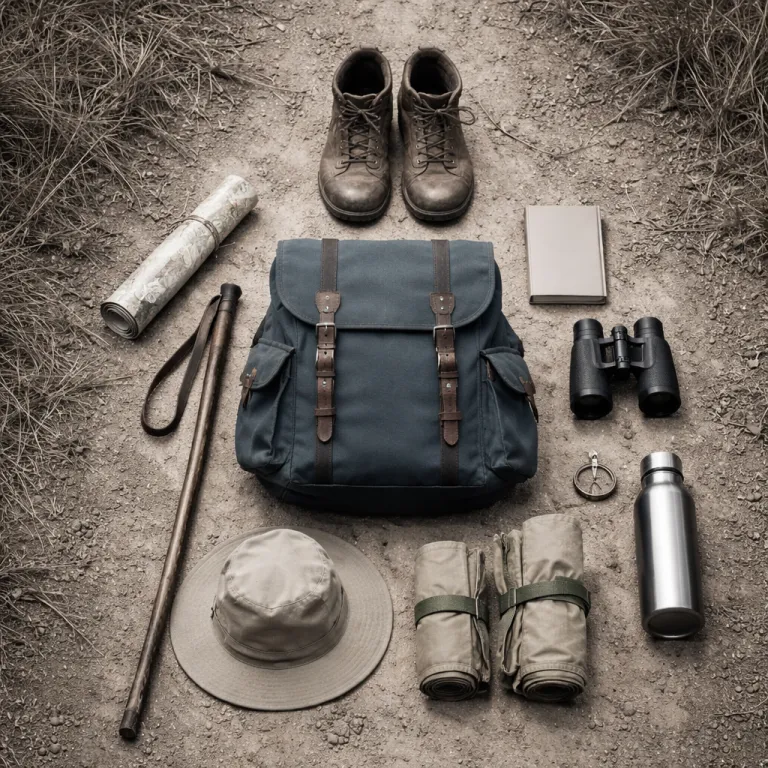
Packing for a winter walking safari in South Africa is about thoughtful layers, neutral colours and a few technical essentials. Bring a small daypack for water, snacks and a lightweight down jacket, plus gloves for frosty mornings and a wide-brimmed hat for the late-afternoon sun. Binoculars and a compact field guide turn every pause on the walk into a lesson, while a journal helps you track not just wildlife but the changing feel of each national park or reserve.
Between walks and game drives, use your downtime to engage with the lodge’s conservation work, whether that is anti-poaching patrols, community projects or habitat restoration. Many South African properties now invite guests to join short walks around camp with their ecology teams, which deepens your understanding of how walking safaris fit into a broader conservation strategy. This is where the luxury of time becomes as valuable as any lodge meals or spa treatment, allowing you to continue reflecting on what you have seen rather than rushing to the next activity.
Finally, remember that winter days are short, so be deliberate about how you allocate each hour of light. Choose one main activity per half day, whether that is a long walk, a focused game drive or a quiet sit at a waterhole watching wildlife come and go. When you slow the pace like this, a winter walking safari South Africa itinerary stops feeling like a checklist and starts to resemble what it really is: time properly spent in Africa, on foot, with the bush setting the tempo.
FAQ
Why are walking safaris popular in winter in South Africa ?
Walking safaris are especially popular in winter because cooler temperatures make several hours on foot comfortable and sustainable. The dry season also thins out vegetation and reduces average rainfall to around 20 mm in many Lowveld and Kalahari regions, which improves visibility and concentrates wildlife around remaining water sources. These conditions mean that every winter walking safari South Africa experience offers clearer sightlines, safer approaches to game and a more immersive understanding of the bush.
What should I wear on a winter walking safari ?
What should I wear on a winter walking safari? Layered clothing and comfortable walking shoes are recommended. Choose neutral colours, a moisture-wicking base layer, a warm mid layer and a windproof outer shell, then add a beanie and gloves for cold mornings and a wide-brimmed hat plus sunscreen for late-afternoon walks.
How long does a typical winter walking safari activity last each day ?
Most lodges structure winter walking safaris around two main sessions per day, one in the early morning and one in the late afternoon. Each walk usually lasts between two and three hours, with frequent stops to examine tracks, plants and birdlife, so the total time on foot can reach 5 to 10 km. The rest of the day is reserved for lodge meals, optional game drives and quiet time in camp, which keeps the overall pace relaxed but engaging.
Is a winter walking safari safe for solo travellers ?
Winter walking safaris in South Africa are designed with strict safety protocols, including armed, qualified guides, radio communication and clear group size limits. Solo travellers join small mixed groups that meet a minimum number of participants, which ensures both safety and a sociable atmosphere on the trail. If you prefer more privacy, many high-end lodges can arrange private walks at an additional cost, pairing you with an experienced guide who matches your pace and interests.
How do walking safaris compare with traditional game drives ?
Walking safaris and game drives offer complementary perspectives on the same landscapes, and the best winter itineraries include both. Game drives cover more distance and increase your chances of seeing a wide range of wildlife quickly, while walking safaris slow everything down and focus on detail, behaviour and ecology. For many travellers, the most memorable winter walking safari South Africa moments happen on foot, then are framed later by a relaxed game drive and a quiet drink back at the lodge.