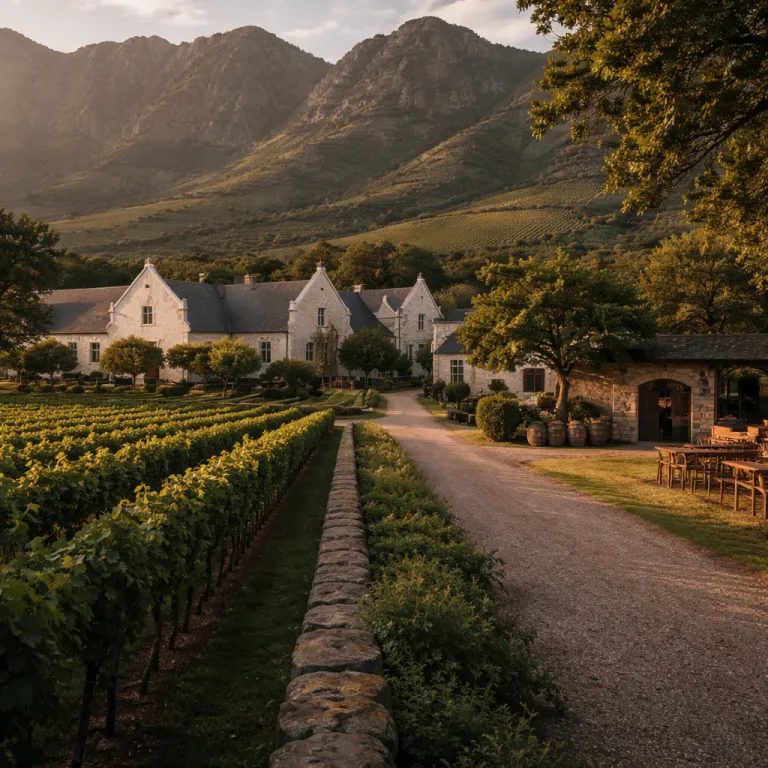
From tasting rooms to full vineyard stays in Stellenbosch
The Wine Tourism Conference Stellenbosch 2026 at Cavalli Estate signals a decisive shift for high-end travellers. Over three days, the programme moves from design and storytelling to systems and immersive wine routes, turning a simple tasting into a layered stay that speaks directly to the experience economy. For guests planning vineyard getaways in South Africa, this conference offers one of the clearest views yet of how estates will host, serve and engage them in the near future.
Held at Cavalli Estate on Strand Road just outside Stellenbosch, the wine tourism conference gathers more than 250 delegates and over 20 speakers from across the wine tourism sector in South Africa. According to the official conference programme, which outlines 18 plenary and breakout sessions, and Cavalli media releases confirming a projected R25 million tourism spend linked to the event, the gathering is framed by the theme statement, “The Future of Wine Destinations: How wine tourism competes, connects and endures”, which anchors every session in competitiveness, collaboration and resilience. For business-leisure travellers, that means future wine itineraries where tourism competes on service depth, where Africa’s wine regions connect seamlessly, and where the hospitality offering endures beyond a single glass in the tasting room.
Conference director Hans Belz, named in the 2025 Nomad Lawyer analysis of the Wine Tourism Conference in Stellenbosch, and his team have structured the content around three clear days that mirror a guest journey. Day one focuses on architecture, food, wellness and narrative, asking how an estate in Stellenbosch can turn a room key, a spa treatment and a cellar tour into one coherent wine tourism story. One session, for example, pairs an architect and a head sommelier to show how tasting rooms, suites and gardens can be designed as a single narrative arc. Day two dives into capital, sustainability and risk, while day three sends delegates across multiple wine routes to test how theory connects with practice in real vineyards and luxury lodges.
Leaders, brands and estates redefining luxury vineyard hospitality
The speaker line-up at the Wine Tourism Conference Stellenbosch 2026 reads like a who’s who of Africa wine hospitality. Executives from Cape Town Tourism, Nedbank, One&Only, Spier Hospitality, African Bush Camps and FEDHASA Cape join Cavalli Estate representatives and Damien Joubert-Winn from Delaire Graff to debate how tourism competes at the top end of the market. Their presence signals that major brands now view wine tourism as a strategic growth engine, not a side activity attached to the cellar door.
For visitors, this shift means that an estate Stellenbosch stay is being reimagined from the ground up. Expect more suites set directly among the vines, integrated art collections, and wellness programmes that run alongside curated wine routes through Stellenbosch, Franschhoek, Swartland and Durbanville. One delegate from a Cape Winelands hotel group notes that “guests increasingly want to sleep, taste and explore within the same vineyard landscape”, which is why more properties are investing in on-site trails, private tasting rooms and vineyard-view pools. If you are weighing vineyard stays, it is worth reading how Franschhoek bedrooms above the vines are already evolving in properties featured in vineyard stays shaping a new way to sleep, because the same design language is now informing Cavalli and its peers.
Speakers repeatedly return to the idea that wine tourism in South Africa must connect estates into a coherent group of destinations that competes on service, not only on price. Panels explore how to sign long-term partnerships between hotels, transport operators and wine routes so that content, marketing and guest data flow cleanly across the industry. For guests, that translates into smoother travel logistics, better aligned check-in times with tasting schedules, and packages where you can join Cavalli for a conference session in the morning and move effortlessly to a partner lodge in the Sabi Sand, such as those analysed in the Sabi Sand luxury lodge collection review.
Sustainability, the experience economy and what it means for your stay
The most forward-looking sessions at the Wine Tourism Conference Stellenbosch 2026 focus on sustainability and the experience economy, and they matter directly for your booking decisions. Organic and biodynamic production, energy-efficient suites and low-waste kitchens are no longer niche talking points but central to how the sector in South Africa positions itself to international travel markets. Workshops use case studies from Cavalli Estate and other properties to show how Africa wine destinations can reduce impact while still delivering a high-touch stay with uninterrupted vineyard views and precise service.
Delegates hear repeatedly that future wine success depends on how well tourism competes for loyalty, not just first-time visits. That is why the programme includes immersive blending workshops, private cellar dinners and guided walks through estate Stellenbosch vineyards, all designed to create content-rich memories that endure long after checkout. One practical example is a session where guests blend their own bottle, then return to a suite where the artwork, amenity selection and turndown notes all reference the same varietals, reinforcing the story of the stay. For travellers, this also raises harder questions about price, access and community benefit, with several panels noting that premium vineyard stays must balance rising room rates with fair labour practices and meaningful local partnerships if South Africa’s wine tourism growth is to remain credible.
As South Africa continues to grow international arrivals, with South African Tourism reporting more than 8.5 million foreign visitors in its latest annual arrivals report and projecting a return to pre-pandemic levels by 2027, the conference makes clear that wine tourism will sit at the centre of the country’s premium hospitality industry. Panels emphasise that when guests sign up for vineyard stays, they are buying into a narrative where Africa, wine, architecture and landscape are inseparable, and where brands must curate every touchpoint with care. If you are planning a future itinerary, track how luxury wine estate stays are evolving in guides such as luxury wine estate stays in the Cape Winelands, then use the official Wine Tourism Conference Stellenbosch 2026 programme, Cavalli Estate media releases and the latest South African Tourism arrivals report to choose estates whose strategies clearly align with your expectations of comfort, sustainability and time well spent.
Sources
South African Tourism annual arrivals reports (latest edition citing 8.5 million foreign visitors and forecasting continued growth); Cape Town Tourism industry briefings; Nomad Lawyer analysis of the Wine Tourism Conference in Stellenbosch (2025 feature on Hans Belz and the event’s evolution); official Wine Tourism Conference Stellenbosch 2026 programme (18 scheduled sessions across three days) and Cavalli Estate media releases (projected R25 million tourism spend associated with the conference).