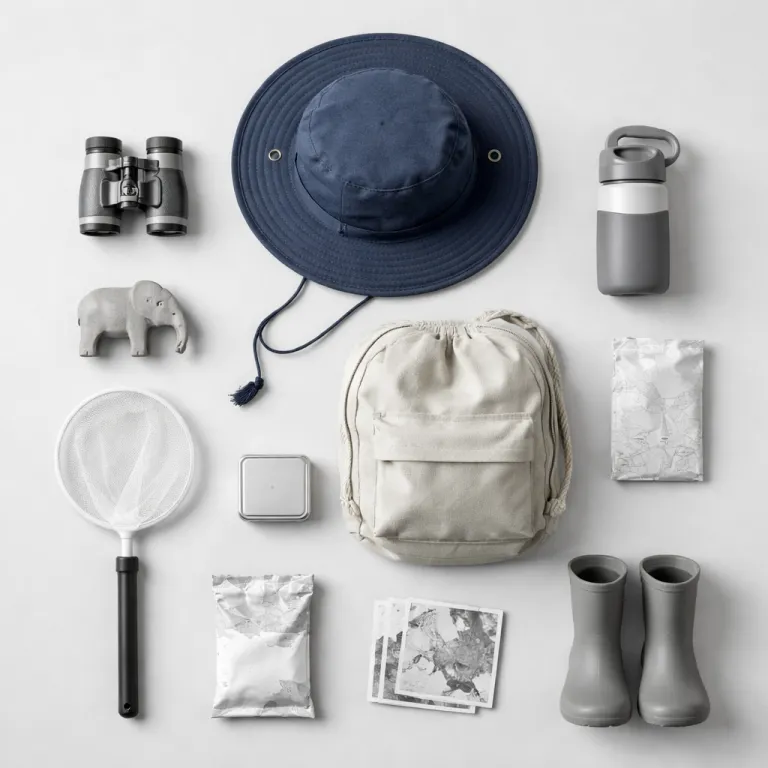
What a real family friendly safari in South Africa looks like
Parents often ask whether a family friendly safari in South Africa is genuinely possible. In the right game reserve and the right safari lodge, the answer is yes, especially when the property has been designed around children rather than simply allowing kids to tag along. The difference between engineered family friendly safaris and improvised ones will define whether your african safari becomes a lifelong memory or a stressful endurance test.
Across south africa, the best family friendly properties treat young guests as a core part of the safari experience, not an afterthought. They build schedules around earlier dinners, shorter game drives and flexible activities so that children can rest when the african heat peaks and still enjoy the magic of the bush. When you evaluate luxury lodges, look for clear information about minimum ages for game drives, whether a private game vehicle is mandatory for families, and how the main lodge spaces are set up for families with kids.
In Kruger National Park, Pilanesberg Game Reserve and Shamwari Private Game Reserve, the most family focused safari lodges publish their age policies transparently. This matters because some national park concessions allow children from six on game drives, while others insist on eight, ten or even twelve years as a minimum. Before you compare prices in rand or usd, confirm whether the lodge located inside a national park or a private reserve has realistic rules for your family, otherwise you will pay for a safari experience your kids cannot fully join.
The key questions to ask before booking a safari with kids
Before you lock in a family friendly safari in South Africa, interrogate the details with the precision you would use for a school choice. Start with game drives, because this is where most friction arises for families with children between six and twelve years old. Ask the lodge whether kids can join shared game drives, whether a private game vehicle is compulsory, and what happens if safari kids become restless or frightened during a sighting.
Age rules vary widely between a national park, a private game reserve and a fenced park close to a city. Some luxury lodges in malaria free reserves near Johannesburg welcome children from four on short game drives inside a safe zone, while others in the greater Kruger National area only allow kids from twelve on open vehicles that track big predators. When a property answers vaguely with phrases like “we can usually accommodate families”, treat that as a sign that their friendly safaris are more theoretical than operational.
Next, probe the difference between a dedicated kids’ programme and ad hoc babysitting. You want a safari lodge where the team can explain exactly how safari tours for children work, from bush treasure hunts to junior ranger activities between drives. A practical way to benchmark is to read a specialist breakdown such as this guide to safari with kids that actually works, then compare how your shortlisted game lodges describe their offering.
Where in South Africa works best for families: regions and reserves
Choosing the right region is the single most strategic decision for a family friendly safari in South Africa. For families with younger children, malaria free reserves in the south and north west of the country often make more sense than the classic Kruger National area. Pilanesberg Game Reserve and Madikwe Game Reserve, both in the north west, offer big five game viewing without malaria risk, shorter transfers from Johannesburg and a strong concentration of family friendly lodges.
Madikwe Game Reserve in particular has become a reference point for family friendly safaris south of the Limpopo. Many a safari lodge there offers family suites, fenced main lodge areas and structured programmes for safari kids, so parents can relax while children learn about african wildlife and conservation. When you see a property describe itself as malaria free, ask whether the entire reserve is malaria free or only the lodge located in a lower risk zone, because that affects both medical planning and insurance.
For older children and teenagers, the greater Kruger National region and the Sabi Sand private game reserves open up a different level of african safari intensity. Here, game drives in open vehicles track big cats off road, and sightings can be dramatic for kids who are ready for it. If you are considering a high end game lodge in Sabi Sand, look for collections that manage several properties, such as those profiled in this analysis of how a six lodge collection reshapes the Sabi Sand playbook, because they often offer more flexible room configurations for families.
How lodges design for kids versus simply tolerating them
On a family friendly safari in South Africa, the real luxury is not only thread count but how seamlessly your children fit into the rhythm of the lodge. Properties that have engineered their product for families think about everything from early breakfast options before game drives to quiet corners in the main lodge where kids can read or draw between activities. They understand that a family with two or three children needs space, predictable routines and staff who enjoy engaging with young guests.
Look closely at room categories and how they relate to prices, because a genuine family suite in a safari lodge is very different from two separate rooms connected by a corridor. In Madikwe Game Reserve and Shamwari Private Game Reserve, several luxury lodges now offer private villas with plunge pools, fenced gardens and dedicated guides, which transform the safari experience for multi generational families. These setups often include flexible bedding for kids, child friendly menus and the option to adjust game drives around nap times or schoolwork.
By contrast, some game lodges in both national park concessions and private reserves simply add an extra bed to a standard room and call it a family option. That might work for one night, but on a four night african safari it quickly feels cramped and poor value for the usd you are spending. When you compare friendly safaris, ask whether the lodge located in your chosen park has a kids’ club space, whether staff are trained in working with children, and whether safari tours for kids are included or charged as extras.
Safety, health and timing: what parents really need to know
Safety on a family friendly safari in South Africa is about more than fences and rules, though those matter. You are taking children into big game country, often far from hospitals, so you need to think clearly about malaria zones, driving distances and medical evacuation cover. Malaria free reserves such as Pilanesberg, Madikwe and Shamwari remove one layer of complexity, which is why they are so popular with families planning their first african safari.
When you do consider the Kruger National region or other national parks in the north east, speak with your doctor about prophylaxis for kids and ensure vaccinations are current. Transfer times also matter, because a six hour drive after an overnight flight can test even the most patient family, so sometimes it is worth paying higher prices for a lodge located closer to a regional airport. Many parents find that shoulder season months such as May and September in south africa offer a sweet spot of cooler temperatures, good game viewing and fewer vehicles on game drives.
Within the lodge, safety protocols should be explicit and calmly enforced. Children must understand that they cannot run between suites at night, approach waterholes alone or treat wild animals like pets, no matter how relaxed the safari experience feels. As one expert summary puts it, “Yes, some lodges have minimum age requirements for game drives.” and “Yes, especially in malaria-free reserves with family-friendly accommodations.” and “Many lodges offer educational programs, guided walks, and interactive experiences.”
How to balance safari, city and downtime on a family itinerary
A family friendly safari in South Africa works best when it is part of a wider itinerary that respects children’s energy levels. Three or four nights in a game reserve, followed by time on the coast or in Cape Town, usually feels right for kids between six and twelve. This balance lets them process the intensity of african wildlife encounters while enjoying simpler pleasures like beaches, aquariums and city parks.
Cape Town in particular pairs beautifully with a safari lodge stay, because it offers world class food, easy hikes and cultural experiences that appeal to both adults and children. Families who value comfort and logistics often choose a well located city hotel with reliable service, such as those profiled in this review of refined comfort at a Cape Town hotel in Century City, before or after heading into the bush. This approach can also help you save on overall trip costs, because you might spend fewer nights paying peak usd rates for luxury safari suites and more time in excellent but more moderately priced urban properties.
When planning, think in terms of rhythms rather than rigid schedules. A typical day on safari includes an early morning game drive, relaxed late morning at the main lodge, an afternoon activity and an early night, which can be intense for younger kids over many days. By alternating safari days with gentler city or coastal days, you create a family friendly pattern that keeps everyone engaged, from the most wildlife obsessed child to the teenager who cares as much about Wi Fi as about a lion sighting.
Key statistics for planning a family safari in South Africa
- Kruger National Park covers around 19 485 km², making it South Africa’s largest national park and a core destination for african safari itineraries that combine self drive and guided game drives (data from South African National Parks).
- Pilanesberg Game Reserve spans roughly 572 km² in a malaria free zone north west of Johannesburg, which helps explain its popularity for short family friendly safaris south of the Limpopo (data from Pilanesberg National Park authorities).
- Shamwari Private Game Reserve extends over about 250 km² in the Eastern Cape, offering a compact but wildlife rich alternative to Kruger National for families who prefer a malaria free african safari (data from Shamwari management).
- Industry intelligence reports on luxury travel in south africa highlight multigenerational and family travel as one of the fastest growing segments, with private villas and exclusive use safari lodge options leading product innovation for families.
- Across major reserves, minimum age policies for participation in big game drives typically range from six to twelve years, which is why confirming lodge specific rules before booking is essential for any family friendly safari in South Africa.
FAQ about family safaris with children in South Africa
Are there age restrictions for children on safaris in South Africa ?
Yes, many lodges in both national parks and private game reserves apply minimum age rules for participation in open vehicle game drives. These limits usually sit between six and twelve years, depending on the terrain, presence of big predators and vehicle configuration. Always confirm the exact policy for your chosen safari lodge before paying deposits.
Is it safe to take children on a safari in South Africa ?
When you choose a reputable lodge and follow guidance, a family friendly safari in South Africa can be very safe. Malaria free reserves such as Pilanesberg, Madikwe and Shamwari reduce health risks, while fenced camps and strict escort rules protect children from wildlife. The key is to brief kids clearly and respect all instructions from guides and rangers.
What activities are available for kids during a safari ?
Well designed family friendly safaris offer far more than just long game drives. Many lodges run junior ranger programmes, short guided walks in safe areas, tracking lessons, conservation talks and creative activities that teach children about african ecosystems. When comparing options, ask whether these safari kids activities are included in prices or charged as extras.
How many days should a family spend on safari in South Africa ?
For most families with children between six and twelve, three to four nights in a game lodge strikes a good balance between excitement and fatigue. This usually allows for six to eight game drives, enough to experience a wide range of wildlife without overwhelming kids. Longer stays can work well when combined with downtime in a city or coastal destination.
When is the best time of year for a family safari in South Africa ?
Cooler, drier months such as May and September often suit families best, because temperatures are comfortable for children and vegetation is thinner for easier game viewing. These shoulder seasons also tend to have fewer vehicles on game drives than peak holiday periods, which can make the safari experience calmer for kids. Always cross check your dates with school holidays and lodge availability, because the most family friendly properties book out early.