Reading the wine list before the room rate
In the most interesting luxury hotels in South Africa, the cellar is no longer a decorative cave under the stairs. Serious properties in the south of the country now treat the wine list as the real map view of your stay, with the room, the spa and the suites arranged around what is poured in your glass. When you plan a trip through high-end retreats in South Africa, start by asking how the sommelier thinks, not how many thread counts the sheets have.
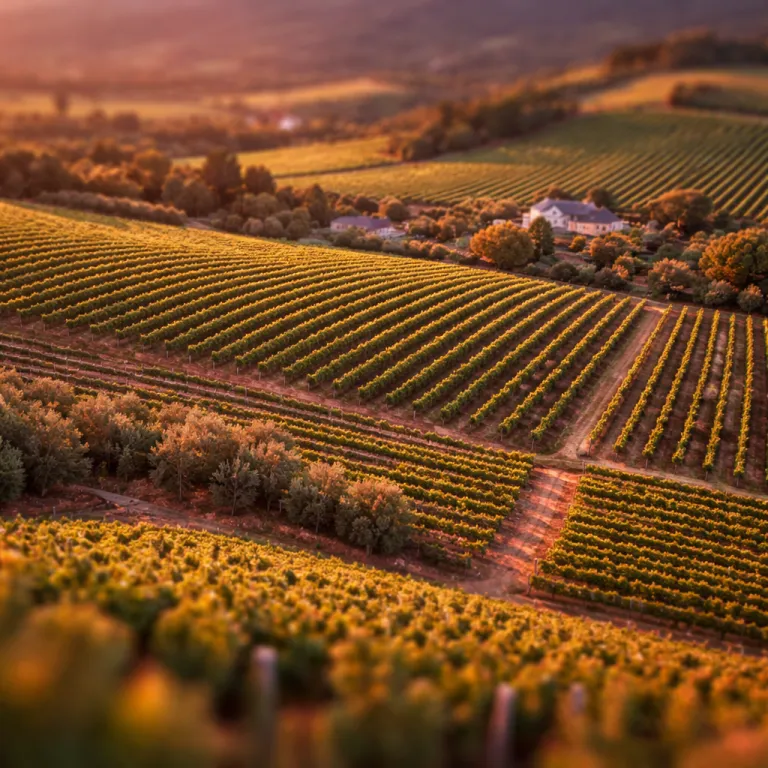
The Cape Winelands sit less than an hour from Cape Town, yet feel like a different South Africa entirely. Here, vineyards roll towards distant national park ridgelines, and the best hotels south of the city use their own vines as the engine room of the experience, not just a backdrop for wedding photos. When you book a hotel in this region, you are really choosing a point of view on South African wine culture, from Swartland minimalism to Stellenbosch grandeur and Franschhoek French inflections.
Destinology and Mr & Mrs Smith both treat the Winelands as a distinct luxury sub market rather than an add on to safari, which tells you how far the region has come. That separation matters for guests who want a stay where the restaurant, the cellar and the hotel spa work together, rather than competing for your time. Think of each property as a different view map of the same landscape, with some focused on private tastings and others on long lunches that run late into the night, often priced from around R6,000 to R15,000 per room per night at the very top end.1
Estate ownership and how it shapes the cellar
On true wine estates, ownership of the land and vines gives the hotel a direct line into what ends up in your glass. A place like Babylonstoren in the Cape Winelands shows how a working farm can anchor a luxury stay, with the cellar, the spa and the restaurant all drawing from the same soil. When you compare high end hotels in South Africa, ask whether the property owns vineyards or curates from neighbours, because that single detail changes everything from pricing to personality.
Estate owned hotels south of Cape Town usually have deeper verticals of their own labels, older vintages and more experimental bottlings that never reach export markets. Babylonstoren, for example, might pour a flight of estate Chenin Blanc from 2017 to 2021, while curated hotels without vines often compensate with broader lists that roam across South Africa, bringing in Swartland natural producers, Hemel en Aarde Pinot Noir and Cape South Coast Chardonnay. Neither model is automatically better, but guests who enjoy long tastings may prefer an estate where the winemaker can step out of the cellar and join you at the table.
La Residence in Franschhoek, part of The Royal Portfolio created by Liz Biden, is a textbook example of how estate ownership can shape a stay.2 The property sits on its own 30 acre vineyard, so the sommelier can pour estate wines alongside carefully chosen South African icons such as Kanonkop Paul Sauer or Meerlust Rubicon, then send you out among the vines between courses. When you book here, you are not just reserving suites with mountain views, you are buying into a private conversation between cellar, kitchen and landscape.
From Bordeaux by the glass to Swartland and Chenin
Wine lists in many luxury hotels in South Africa used to lean heavily on Bordeaux blends and international benchmarks. That era is fading, replaced by a confident focus on Chenin Blanc, Pinotage and the textured, often wild edged wines coming out of the Swartland and other frontier regions in the south. When you sit down in a hotel restaurant now, you are more likely to be offered a skin contact Chenin than a safe New World Sauvignon Blanc.
This shift is not just fashion, it is a sign that hotels south of Cape Town are finally trusting their own terroir. Sommeliers in Cape Town and in the Winelands talk about granitic soils, old bush vines and maritime breezes off the Atlantic Ocean, not just about oak regimes and critic scores. For guests, that means a stay where every glass feels anchored in South Africa, whether you are looking out at Table Mountain or across vineyards towards a distant national park, and where names like Sadie Family, Mullineux and Alheit increasingly appear by the glass.
Tengile River Lodge in the Sabi Sand reserve shows how this thinking is spreading from Cape Town to safari destinations in the north.3 Its wine programme blends leading South African labels with small independent growers, proving that even a remote lodge can offer a list as thoughtful as any hotel on the Atlantic seaboard. When you book a two night stay that combines the bush with the Winelands, you can now expect the same level of wine intelligence in both suites and safari tents, with harvest typically running from February to April according to industry bodies such as SA Wine.4
What a two night cellar led stay really feels like
At the best luxury hotels in South Africa, a two night stay in the Winelands is now planned around the cellar rather than the spa timetable. You might arrive at La Residence or Babylonstoren in the late afternoon, drop your bags in a suite with vineyard views, then head straight to a private tasting as the light softens over the mountains. The sommelier will map view your preferences, from crisp Méthode Cap Classique to structured Cabernet, and quietly adjust the next day’s programme.
The following morning could start with a slow breakfast on a terrace facing south towards town or a distant ocean line, followed by a walk through the vines with the viticulture team. After a light lunch at the restaurant, you might visit neighbouring cellars such as Rust en Vrede or Delaire Graff, then return for a vertical tasting of estate Chenin that runs into the night, with the hotel spa on standby for a late massage. Guests who enjoy this rhythm often say the room becomes a calm backdrop, while the real narrative unfolds between cellar, kitchen and glass.
On your final day, a late checkout allows one last pairing lunch, perhaps with dishes that echo flavours you will meet later in Cape Town at places like Ellerman House or Mount Nelson, A Belmond Hotel. When you then move to a waterfront address such as Cape Grace or The Silo Hotel, the wine list feels like a continuation of the story, not a reset. That continuity is what separates ordinary hotels in the south from the few that truly understand how to weave wine into every part of the stay, and it rewards travellers who book at least three to six months ahead for peak dates, allowing time to secure cellar tours and restaurant reservations.
Where the wine programme lags behind the room
Not every luxury hotel in South Africa has caught up with this cellar first thinking. Some properties in Cape Town still offer spectacular ocean views, polished suites and a glossy spa, yet present a wine list that reads like a duty free shelf, heavy on international labels and light on South African nuance. When you see more Champagne houses than Cape Méthode Cap Classique on a list, you know the cellar is following rather than leading.
Even celebrated names such as Mount Nelson, Ellerman House, Cape Grace and The Silo Hotel vary in how boldly they champion local producers, despite their prime positions in Cape Town and along the waterfront. A hotel on the city side with a panoramic view of Table Mountain might still lean on safe Stellenbosch brands, while a quieter property inland pours obscure Swartland Syrah by the glass. Guests should not be shy about asking how often the list changes, whether private tastings with small growers are possible and how deeply the team knows regions beyond the Cape heartland.
When a room outshines the cellar, consider splitting your stay between city and Winelands, using a property like La Residence or Babylonstoren as the wine anchor. You can still enjoy the urban energy of Cape Town at night, the ocean air along the waterfront and the grand old world charm of hotels south of the city centre. Yet your most memorable glasses will likely be poured under quieter skies, where the view map is drawn in vines rather than city lights, and where occupancy at flagship vineyard hotels can exceed 80% in high season according to recent industry reports.5
How city icons connect to the Winelands glass
For many travellers, the journey through luxury hotels in South Africa starts or ends in Cape Town. Here, grand addresses such as Mount Nelson, Ellerman House, Cape Grace and The Silo Hotel frame the city with views of Table Mountain, the harbour and the Atlantic Ocean, each offering a different angle on the southern skyline. These hotels may not sit among vines, but their cellars often act as curated gateways to the Winelands, with lists that highlight producers you can visit within an hour’s drive.
Ellerman House, perched above the ocean in Bantry Bay, is known for a deep South African collection that reads like a liquid atlas of the Cape. Guests can enjoy private tastings that move from coastal Sauvignon to inland Cabernet, then plan day trips to the estates that impressed them most, using the hotel team as a human view map. Mount Nelson, by contrast, leans into its role as a city resort, pairing afternoon tea with a concise but thoughtful list that introduces guests to classics before they head east into the vineyards.
When you connect these city icons with a Winelands estate such as La Residence or Babylonstoren, the result is a stay that feels both urban and rural, ocean cooled and mountain framed. You might spend one night at the waterfront, watching lights flicker on around the harbour, then two nights inland where the only glow comes from the cellar and the stars. That balance between city energy and vineyard calm is where luxury hotels in South Africa feel most complete for couples who travel to eat, drink and stay well, and for travellers searching specifically for wine focused hotel packages.
Key numbers for luxury wine led stays in South Africa
- South Africa has a broad mix of boutique retreats, heritage properties and contemporary design hotels, with a growing share located in or closely connected to the Cape Winelands, and many top tier properties reporting annual occupancy above 70%.5
- Occupancy at the top end can be high during harvest and holiday periods, which means you should book well in advance for peak seasons, ideally three to nine months ahead for the most sought after suites.
Essential FAQs for planning a wine focused stay
What is the best time to visit South Africa for a wine focused trip ?
The best time is during the dry season, May to September. In the Cape Winelands, this coincides with cooler temperatures, clear views of surrounding mountains and often more relaxed cellar doors than during the busy summer holiday period. Harvest time can be exciting too, but availability at top hotels may be tighter and rates higher, especially from February to April when many estates are bringing in grapes.4
Are luxury hotels in South Africa family friendly if we travel with children ?
Many luxury hotels in South Africa are family friendly and offer tailored amenities. Properties in the Winelands may provide larger suites, private villas, kids’ menus and flexible restaurant seating so adults can still enjoy serious wine programmes. Always check age policies for hotel spa facilities and any cellar tours before you book, as some tasting rooms prefer quieter sessions without young children.
Do South African luxury hotels offer safari packages combined with Winelands stays ?
Some luxury hotels and travel specialists offer combined safari and Winelands itineraries. You might pair a few nights in the Cape Winelands with time in a national park or private reserve, using properties like Tengile River Lodge for the bush and La Residence for the cellar. Even when packages are not advertised, concierges can usually help guests arrange transfers and coordinated bookings, creating a seamless wine and wildlife holiday.
More questions luxury travellers often ask
How far are the main Winelands towns from Cape Town ?
Most key Winelands towns sit within 30 to 70 kilometres of Cape Town. Franschhoek, Stellenbosch and Paarl can usually be reached in under an hour by car, depending on traffic and your exact hotel location. This makes it easy to combine a city waterfront stay with two or three nights among the vines.
Should I rent a car or rely on transfers for wine tasting ?
For serious wine tasting, private transfers or hotel arranged drivers are safer and more relaxing than self driving. Many luxury hotels in South Africa can organise half day or full day drivers who know the cellar doors and can help manage timing between tastings. If you do rent a car, plan non tasting days for longer drives and keep wine days focused and local.
Can I visit cellars without staying overnight in the Winelands ?
Day trips from Cape Town to the Winelands are entirely possible and popular. However, an overnight stay in a vineyard hotel allows you to enjoy slower dinners, later tastings and the quiet of the vines after day visitors leave. For couples who value both wine and rest, at least one night among the vineyards is strongly recommended, especially if you want to experience sunset tastings and unhurried pairing menus.
Trusted references for further research
- South African Tourism Board
- Destinology
- Mr & Mrs Smith
1 Typical nightly rates and price ranges based on recent listings from specialist tour operators and hotel booking platforms.
2 Ownership and portfolio details drawn from The Royal Portfolio’s published information.
3 Tengile River Lodge is located in the Sabi Sand Game Reserve, adjacent to Kruger National Park in northeastern South Africa.
4 Harvest timing and seasonal patterns based on guidance from SA Wine and regional producer associations.
5 Occupancy figures and trends compiled from recent South African hospitality industry reports and tourism statistics.