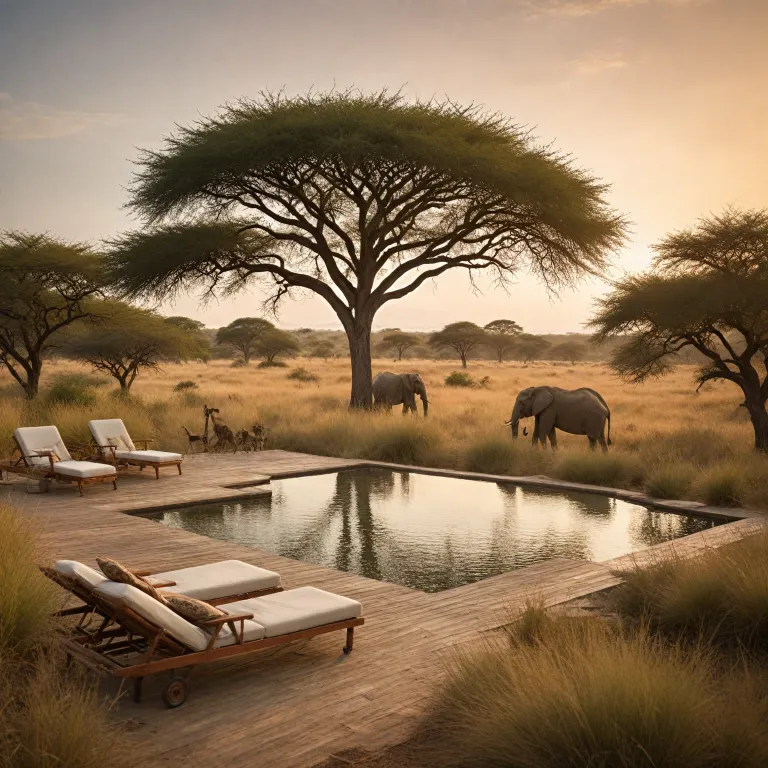
Animals in Kruger National Park South Africa and luxury stays
Animals in Kruger National Park South Africa draw travellers who value comfort and authenticity. The park stretches across Mpumalanga and Limpopo, where the national landscape blends riverine forest, open savanna, and rugged koppies that frame every safari. For guests booking premium accommodation, understanding how wildlife, lodges, and logistics connect will shape a refined yet responsible journey.
Kruger is one of the largest conservation areas in southern Africa, and the national park protects 148 mammal species alongside countless birds and reptiles. Visitors come for the Big Five, yet the most memorable animals are often the small creatures, from mongoose to shy wild cat sightings near a quiet safari lodge deck. When planning, consider how your chosen lodge in Kruger park supports conservation programs and community partnerships managed by South African National Parks.
Guided game drives in Kruger safaris reveal the rhythm of the african wild at dawn and dusk. Professional rangers interpret wildlife Kruger behaviour, explaining how predators, grazers, and scavengers keep the ecosystem in balance across the game reserve. Many luxury lodges Kruger side combine these drives with guided walks inside private reserve areas bordering the national park.
For travellers comparing animals Kruger experiences, the choice between staying inside the park south boundary or in adjacent private reserves is crucial. Properties in Sabi Sands or another exclusive game reserve often offer off road game drives and fewer vehicles at sightings. Meanwhile, SANParks rest camps inside Kruger national provide a more traditional park experience with easy self drive access to diverse animals and landscapes.
Understanding wildlife, seasons, and game drives in Kruger
Planning around seasons is essential for meaningful encounters with animals in Kruger National Park South Africa. The dry months concentrate wildlife around rivers and waterholes, making game drives particularly rewarding for viewing the Big Five and other iconic african species. During greener months, the bush is lusher, young animals abound, and birdlife in the national park becomes a highlight for many guests.
Guided safaris day and night reveal different aspects of the african wild, from elephants at dawn to elusive wild cat eyes reflecting in the spotlight after dark. Many premium safari lodge teams coordinate two or three game drives daily, balancing comfort with unhurried time in the park. A skilled guide and tracker pair will read black backed jackal tracks, antelope alarm calls, and vulture movements to locate rare sightings.
Kruger safaris often focus on the Big Five, yet the park’s character lies equally in its small wonders. Watching a black footed cat is extremely rare, but even a fleeting glimpse of this tiny predator can rival a lion sighting for seasoned travellers. Guests also learn to appreciate wild dogs, hyena clans, and the intricate behaviour of giraffe, zebra, and numerous antelope species across the game reserve.
Within Kruger national, SANParks rangers work with partners such as WWF and the Endangered Wildlife Trust to protect wildlife Kruger wide. Increased anti poaching efforts, surveillance systems, and community engagement help safeguard rhino, wild dog, and other threatened animals. When you choose lodges Kruger side that support these initiatives, your stay in south Africa contributes directly to long term conservation outcomes.
Private reserves, Sabi Sands, and choosing your safari lodge
Many travellers researching animals in Kruger National Park South Africa quickly encounter names like Sabi Sands and other private reserves. These areas border the national park, allowing animals to move freely between Kruger park and the neighbouring game reserve while offering more exclusive safaris. For guests seeking luxury, the choice of safari lodge in these reserves can define the entire african experience.
Sabi Sands is renowned for close leopard viewing, frequent Big Five sightings, and highly trained guide teams. Because vehicle numbers are limited, game drives feel unhurried, and sightings of wild dogs or a shy wild cat are often shared by only a few guests. Off road driving, where permitted, allows rangers to follow tracks from black backed jackal to lion, creating intimate wildlife Kruger encounters.
Other private reserves along the southern and central boundaries of the national park offer similar advantages. Here, safari lodges Kruger side often feature spacious suites, private plunge pools, and fine dining that reflect the best of south African hospitality. Many properties also offer walking safaris day experiences, where guests learn about tracks, insects, and plants that support the larger animals Kruger is famous for.
When comparing lodges Kruger wide, look beyond décor and focus on guiding quality, conservation ethics, and community partnerships. A strong guide team will interpret everything from black footed cat behaviour to the social dynamics of wild dog packs. Reading detailed lodge reviews and consulting specialist agents helps ensure that your chosen game reserve stay aligns with your expectations for comfort, wildlife, and responsible travel in south Africa.
Luxury booking strategies for Kruger and wider South Africa
Securing the right stay to enjoy animals in Kruger National Park South Africa requires thoughtful planning. Premium lodges and high end safari lodge options often book out months in advance for peak dry season, especially in Sabi Sands and other sought after game reserve areas. Flexible dates and a clear budget range will help your consultant match you with the most suitable lodges Kruger side.
Many travellers combine Kruger safaris with time in Cape Town, the winelands, or the southern coast of south Africa. Coordinating flights, transfers, and pre or post safari hotel nights is easier when handled through a specialist familiar with both wildlife Kruger logistics and urban luxury properties. This integrated approach ensures that every transition, from city hotel to park south airstrip, feels seamless and efficient.
For frequent visitors, loyalty benefits and value adds can significantly enhance the experience. Programmes that reward repeat stays at a safari lodge or partner city hotels may include complimentary game drives, spa treatments, or room upgrades. To understand how these advantages work across brands and regions, consult a detailed resource such as this guide to South Africa luxury hotel loyalty programmes: South Africa luxury hotel loyalty programmes.
When evaluating offers, consider what is included in the nightly rate at each lodge in Kruger park. Most premium properties bundle accommodation, meals, selected drinks, and twice daily game drives into a single tariff. Clarify whether conservation levies, park fees for the national park, and transfers between the game reserve and regional airports are additional, so there are no surprises once you arrive in south Africa.
Ethical wildlife encounters and safety in the african wild
Respectful viewing of animals in Kruger National Park South Africa is central to a meaningful journey. Guides are trained to keep safe distances from wildlife, ensuring that elephants, lions, and other animals Kruger wide remain relaxed during sightings. Guests should follow instructions carefully, remain seated on game drives, and avoid sudden movements or loud conversations in the vehicle.
Ethical safaris day practices also include limiting the number of vehicles at a sighting, especially in sensitive areas of the national park. In private reserves like Sabi Sands, radio protocols and strict rules help protect wild dogs, leopards, and other predators from unnecessary disturbance. Your safari lodge should brief you on these standards, reinforcing the shared responsibility between guide, guest, and reserve management.
Walking activities in the african wild require additional caution and respect. Armed guides interpret wind direction, animal tracks, and bird calls to keep guests safe while exploring the park south landscapes on foot. Encounters with black backed jackal, giraffe, or even a distant wild cat are managed with calm professionalism, prioritising animal welfare over close photographs.
Responsible travellers also support conservation by choosing lodges Kruger side that contribute to anti poaching initiatives and community projects. Many properties share updates on black footed cat research, wild dog monitoring, or broader wildlife Kruger programmes during evening talks. By aligning your booking choices with these efforts, your time in south Africa helps sustain both the national park and the surrounding game reserve communities for future generations.
Planning your ideal Kruger itinerary and frequently asked questions
Designing an itinerary around animals in Kruger National Park South Africa involves balancing time, budget, and personal interests. Many guests choose three or four nights in one safari lodge, which allows enough game drives to encounter the Big Five, wild dogs, and a wide range of smaller animals. Adding a second lodge in a different part of Kruger park or another game reserve introduces new landscapes and wildlife dynamics.
Travel logistics within south Africa are straightforward when planned with care. Regional flights connect Johannesburg or Cape Town to airstrips near the national park, while road transfers link guests to lodges Kruger side or to Sabi Sands. Arriving by midday usually allows you to join the afternoon game drives, maximising your time with wildlife Kruger wide from the first day.
Many visitors ask, “What animals can I see in Kruger National Park?” and the official guidance is clear : “You can see the Big Five: lion, leopard, elephant, buffalo, and rhino, among others.” Another common question is, “When is the best time to visit Kruger National Park?” and experts advise that “The dry season (May-September) offers better wildlife viewing opportunities.” Finally, travellers often wonder, “Are guided tours available in Kruger National Park?” and the answer remains reassuring : “Yes, guided safaris are available and recommended for safety and enhanced experience.”
Whether you focus on the southern regions near park south gates or venture further north, thoughtful planning will reward you with rich encounters. From rare black footed cat sightings to the social drama of wild dog packs, every drive across the african wild reveals new stories. With the right lodge, guide, and respect for the national park, your journey through south Africa’s most famous game reserve will feel both luxurious and deeply connected to nature.
Key wildlife statistics for Kruger National Park
- Number of mammal species recorded in the national park : 148 species.
- Estimated elephant population across Kruger national : 13 750 individuals.
- Estimated lion population within Kruger park and adjoining areas : 1 500 individuals.
Essential questions about animals in Kruger National Park South Africa
What animals can I expect to see during a stay in Kruger?
Guests typically encounter the Big Five, along with giraffe, zebra, hippo, crocodile, and numerous antelope species during game drives. With time and a skilled guide, sightings of cheetah, wild dogs, and even a secretive wild cat are possible in both the national park and neighbouring game reserve areas. Birdlife is exceptional, particularly around rivers and dams, adding another dimension to wildlife Kruger experiences.
When should I plan my safari for the best wildlife viewing?
The dry months offer the most reliable conditions for viewing animals in Kruger National Park South Africa, as vegetation is thinner and wildlife concentrates near water. Green season brings dramatic skies, lush landscapes, and many young animals, which some photographers and repeat visitors prefer. Ultimately, the best time depends on whether you prioritise dense wildlife sightings, softer light for photography, or quieter lodges Kruger wide.
Do I need a guided safari, or can I self drive in the park?
Self driving in the national park is possible on designated roads, giving flexibility to explore at your own pace. However, guided safaris day and night with a professional ranger provide deeper insight into animal behaviour, tracking, and safety in the african wild. Many travellers combine both approaches, using a safari lodge in a private reserve for guided game drives and then spending extra days self driving within Kruger park.
Trustful expert sources :