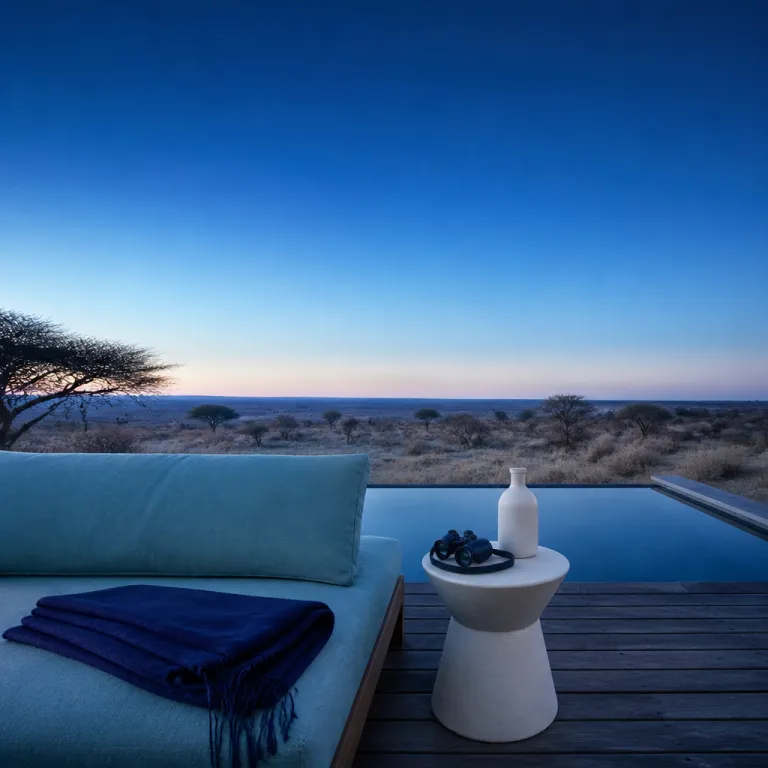
Understanding south africa weather in august for luxury safari travel
South Africa weather in August shapes every luxury safari decision you make. During this late winter season, inland safari areas stay mostly dry, with clear skies and crisp mornings that gradually become pleasantly warm by midday. These stable weather patterns give premium travellers predictable conditions for game drives and seamless transfers between safari lodges and city hotels.
Across the south of the country, August marks the transition from winter to early spring, so temperatures rise slowly while humidity remains low and the dry season still dominates most safari regions. The South African Weather Service describes this period as a time of “Early August: Cool temperatures, dry conditions. Mid-August: Gradual warming, minimal rainfall. Late August: Warmer days, signs of spring.” This reliable africa weather profile makes it one of the best time windows for high end wildlife travel, especially if you are planning to visit South Africa for both bush and coast.
In Johannesburg and the Highveld, average daytime temperatures in August hover around 21 °C, while nights can drop close to 5 °C, so packing layers is essential for early morning game drives. These inland weather south conditions extend across many safari areas in the greater Kruger region, where clear, cool nights and warm, sunny days create ideal visibility for wildlife viewing. For travellers combining an africa safari with time in a cosmopolitan town such as Cape Town, it is important to understand that the western cape follows a different rainy season pattern, which can influence how you structure your itinerary.
How August seasons differ between safari areas and the cape coast
While most of South Africa enjoys a dry season in August, the western cape and Cape Town experience their peak rainy season at this time. Expect cool, changeable weather in Cape Town, with average daytime temperatures around 18 °C and regular cold fronts bringing showers and dramatic coastal skies. This contrast between inland dry season and coastal rain means traveling south between safari lodges and the cape requires careful packing and smart hotel choices.
In the Kruger National Park and private safari areas such as Sabi Sand and Timbavati, August days are generally sunny, with low humidity and very little rainfall, which keeps water sources concentrated and wildlife highly visible. Typical late winter temperatures in these reserves range from about 24–26 °C in the afternoon to 8–10 °C overnight, according to Weather Atlas and regional climate summaries. By comparison, the season cape pattern around Cape Town brings greener landscapes, rougher seas, and some of the best time opportunities for whale watching along the south coast. If you are planning to visit South Africa for both safari and wine country, consider that cooler, wetter cape weather pairs beautifully with fireside suites, heated pools, and long tastings in Stellenbosch or Franschhoek.
Luxury travellers who care about sustainability should also note how the rainy season in the western cape supports eco conscious properties that manage water carefully and design around local climate. When you research an eco lodge in South Africa, use a detailed field guide to green claims such as this one on what an eco lodge really means in South Africa to understand how properties adapt to africa weather and seasonal water stress. Aligning your travel dates with the natural rhythm of each region allows you to enjoy both warm, dry safari days and atmospheric winter evenings on the cape coast.
Why August is prime time for wildlife and game drives
For serious wildlife enthusiasts, late winter conditions in South Africa offer some of the best game viewing of the year. The dry season has already stripped much of the vegetation, so animals are easier to spot and tend to congregate around remaining water sources. Clear, cool mornings and warm afternoons create comfortable conditions for long game drives in both national park reserves and private concessions.
In iconic safari areas such as Kruger National Park, Madikwe, and the private reserves bordering them, August game drives often deliver exceptional sightings of big cats, elephants, and plains game. Because the africa august climate keeps grasses short and dust levels manageable, photographers benefit from soft winter light and uncluttered backgrounds throughout the day south. Many luxury safari lodges in South Africa time their refurbishment schedules outside this period, ensuring full service operations and highly qualified guiding teams during what many consider the best time to visit South Africa for wildlife.
Neighbouring Namibia shares similar dry winter patterns, so combining a south africa safari with a Namibia extension in August can create a powerful multi country itinerary. Travellers who are traveling south from Namibia into South Africa will notice slightly warmer temperatures and more developed safari infrastructure, especially in private africa safari lodges. For an elegant benchmark of what a premier lodge experience looks like in this season, review this detailed guide to Kings Camp in South Africa, which illustrates how high end properties tailor game drives, dining, and wellness to late winter conditions.
Designing a luxury itinerary around August temperatures and regions
Crafting a premium itinerary around south africa weather in august starts with understanding how temperatures shift between regions each day. Inland safari destinations such as Kruger, Madikwe, and the Waterberg enjoy cool, dry mornings, warm midday sunshine, and chilly evenings that invite fireside drinks and gourmet dinners. Coastal hubs like Cape Town and the Garden Route, by contrast, remain in their winter rainy season, with softer light, cooler air, and occasional storms that suit spa days and fine dining.
Many travellers choose to begin their time visit in a vibrant town such as Johannesburg or Cape Town before flying into safari areas for several days of immersive wildlife experiences. If you start in Cape Town, plan for layered clothing, rain ready outerwear, and indoor cultural activities on wetter days, then transition to lighter, neutral safari gear once you fly north into the dry season. Those who visit South Africa primarily for safari may prefer to end with a few warm, indulgent nights in the winelands, where heated pools, fireplaces, and deep cellars turn winter weather into a luxury feature rather than a drawback.
When you are traveling south between regions, build in buffer days to account for weather related delays, especially on smaller regional flights. Use those day south pauses to enjoy spa treatments, private tastings, or curated city tours that connect you with local culture beyond the game reserve. For inspiration on where to stay after a full wine day, consult this guide to where to stay in Stellenbosch when the wine day ends, which highlights properties that feel particularly inviting during the cool, moody season cape evenings of August.
Choosing the right luxury safari lodges for August conditions
South africa weather in august rewards travellers who select safari lodges designed for late winter comfort. Look for suites with fireplaces, underfloor heating, or thick duvets, because early morning game drives can feel cold even when afternoons are pleasantly warm. Properties that offer heated plunge pools or sheltered decks allow you to enjoy the africa august sunshine without the chill of the breeze.
In prime safari areas such as Sabi Sand, Timbavati, and Phinda, high end safari lodges often adjust their daily rhythm to match the season, scheduling slightly later morning departures once the sun has taken the edge off the night air. Afternoon game drives may leave earlier to maximise the warmest hours of the day, then linger into the golden light when predators become active and wildlife gathers at water sources. When you compare options, ask how each lodge adapts its activities, dining, and wellness offerings to the dry season, because thoughtful adjustments signal strong operational expertise and guest focus.
For travellers combining South Africa with Namibia, consider how different lodge designs respond to similar winter temperatures and dry landscapes. Some africa safari properties in both countries emphasise open air decks and star beds, which can be magical in August if they provide adequate blankets and wind protection. Others prioritise enclosed lounges and deep sofas around central fireplaces, creating a cocooning atmosphere that turns the cool season into an asset rather than a compromise.
Practical packing and planning tips for August luxury travel
Preparing for south africa weather in august means packing for both winter chill and midday warmth. For safari, bring breathable base layers, a warm fleece or insulated jacket for dawn drives, and a wind resistant outer shell that can handle dust and cool breezes. Neutral colours remain essential for game drives, while a few elegant outfits will serve you well in cape town restaurants and wine estate dining rooms.
Footwear should cover both safari and town needs, so combine sturdy closed shoes for bush activities with polished options for evenings in the city. A warm hat, gloves, and a scarf make early morning game drives far more comfortable, especially when vehicles move quickly through cold air before sunrise. In the western cape, add a compact umbrella or waterproof jacket to handle the rainy season, because showers can arrive suddenly even on otherwise bright days.
From a planning perspective, August is often the best time to secure value at certain high end properties, as it sits near the end of the traditional winter low season in some regions. However, top safari lodges in South Africa and Namibia can still book out because wildlife viewing is exceptional, so reserve well in advance and coordinate flights early. Use official resources such as the South African Weather Service for up to date africa weather forecasts, then work with a specialist travel advisor who understands how to align your preferred style of luxury with the specific temperatures, rainfall patterns, and daylight hours of each region.
Key figures on August weather and safari conditions
- Average daytime temperatures in Johannesburg reach about 21 °C in August, while nights drop to around 5 °C, which explains why layered clothing is essential for early and late game drives (Weather Atlas data: Johannesburg climate overview).
- In Kruger National Park and nearby private reserves such as Sabi Sand, typical August maximums sit near 25 °C, with night-time lows around 9 °C and very low rainfall, according to Weather Atlas and South African Weather Service regional summaries.
- Cape Town receives roughly 70 mm of rainfall during August on average, confirming that the western cape remains in its winter rainy season even as inland safari regions stay dry (Weather Atlas data: Cape Town monthly rainfall).
- August is widely regarded by safari operators as one of the best months for wildlife viewing in Kruger National Park, because sparse vegetation and limited water sources concentrate animals near rivers and waterholes.
- Whale watching along the south coast peaks from late winter into spring, so combining a few cape town days with a safari during August can deliver both marine and land based wildlife highlights in a single itinerary.
FAQ about South Africa weather in August and luxury safaris
Is August a good time to visit South Africa for a luxury safari ?
Yes, August offers dry conditions inland and is ideal for wildlife viewing. The combination of clear skies, cool mornings, and warm afternoons creates comfortable conditions for game drives and bush walks. Luxury safari lodges tailor their services to these late winter patterns, offering cosy evenings and excellent daytime visibility.
What is the weather like in Cape Town in August ?
What is the weather like in Cape Town in August? The weather is cool, with average daytime temperatures around 18 °C and regular rain fronts moving in from the Atlantic. Expect a mix of sunny breaks, showers, and dramatic clouds, which pair well with indoor cultural experiences, wine tastings, and fireside dining.
How should I pack for both safari and Cape Town in August ?
Pack layers that work across different temperatures, including warm base layers, a fleece or insulated jacket, and a waterproof shell. For safari, choose neutral colours and closed shoes, while for Cape Town and the winelands, add smarter outfits and a compact umbrella. Accessories such as gloves, a beanie, and a scarf make early morning game drives far more comfortable.
Are there any special natural events in South Africa in August ?
Yes, the Namaqualand wildflower bloom often begins in August, especially later in the month when temperatures rise and days lengthen. Whale watching along the southern coast also peaks around this period, making it an excellent time to combine marine and land based wildlife experiences. These seasonal events align beautifully with the dry inland safari conditions that define south africa weather in august.
Should I worry about rain affecting my safari in August ?
In most inland safari regions, August falls firmly within the dry season, so rain is rare and usually light if it occurs. This stability allows lodges to run game drives on schedule and keeps roads in good condition. The main area where rain may affect your plans is the western cape, particularly Cape Town, where winter storms can influence coastal excursions but rarely disrupt overall itineraries.