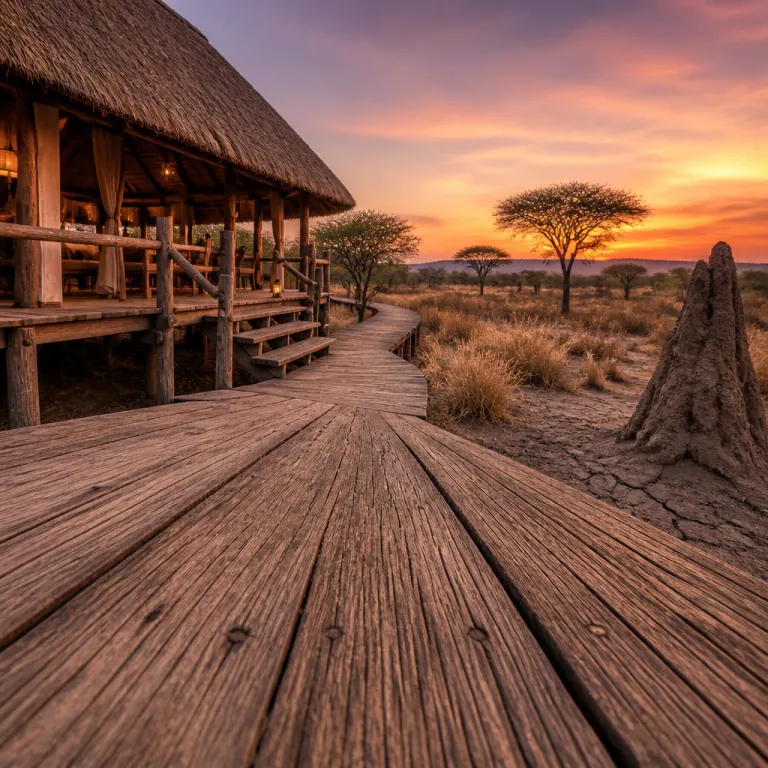
Why Sabi Sands lodges set the standard for luxury safaris
Sabi Sands lodges sit on the western edge of Kruger National Park in South Africa, offering some of the most consistent big game viewing on the continent. This private game reserve shares an unfenced boundary with the greater Kruger National Park ecosystem, so wildlife moves freely between the national park and the reserve. Guests benefit from a safari experience where lion, leopard and other wildlife often appear within minutes of leaving the lodge, creating an immersive luxury safari without long transfers.
The Sabi Sand Game Reserve covers roughly 65 000 hectares of bush and sand plains, with the Sabi River and the Sand River providing vital water for animals year round.1 Because this is a private reserve, game drives can leave the main camp tracks and follow sand game trails, which dramatically improves close range game viewing. For travellers comparing safari lodge options across Africa, lodges in the Sabi Sand region consistently rank among the best for reliable sightings of the Big Five and especially leopard, with many guides reporting daily encounters in peak season.
Luxury here is never only about a plush bush lodge or a glamorous swimming pool; it is about how carefully each safari lodge choreographs your day and night. Early morning game drives in open 4x4 vehicles are followed by relaxed hours back at the river lodge, where you might watch elephant cross the Sand River while you eat breakfast. As one long-time ranger explains, “We try to slow everything down so guests can really absorb the bush, not just tick off sightings.” After a late afternoon private game drive and a candlelit dinner, you fall asleep to the distant roar of a lion and the soft rush of the river below your suite.
Signature lodges in Sabi Sands and how they differ
Among the most sought after Sabi Sands lodges, Singita Ebony Lodge stands out for its twelve suites with private plunge pools overlooking the riverine bush. This game lodge blends timber, glass and canvas to frame views of the river and the surrounding African bush, while still delivering meticulous service and fine dining. Guests who want a deeply personalised safari experience often choose this lodge for its balance of privacy, game viewing access and understated luxury, especially couples and photographers seeking a high-end Kruger private reserve stay.
Londolozi Pioneer Camp occupies a quiet bend of the sand lined river, with only three suites that can be booked individually or as an exclusive use private camp. This makes it ideal for families or small groups who want a private game reserve feel within the larger Sabi Sand landscape. With such a small number of guests, the guiding team can tailor game drives and bush walks around specific interests, whether that is tracking lion, photographing birds or learning about the history of conservation in South Africa, and a private vehicle can often be arranged for flexible schedules.
Ulusaba Safari Lodge, owned by Virgin Limited Edition, overlooks a dry riverbed and offers eleven rooms including a dramatic tree house suite set high in the bush canopy. The camp design here emphasises a sense of adventure, with swing bridges, elevated walkways and views across the sand and bush to distant koppies. If you are combining your safari with a cultural or historical journey, you can pair a stay at Ulusaba with time near South Africa’s ancient trade routes by reading about the archaeology of Mapungubwe and staying near South Africa's oldest trade route on a dedicated travel guide. When comparing these signature Sabi Sands lodges, consider whether you prefer an intimate camp, a classic river lodge or a more adventurous treehouse-style retreat.
Planning your safari experience in the Sabi Sand Game Reserve
When planning a stay at Sabi Sands lodges, timing shapes your overall safari experience as much as the choice of lodge. May to September offers optimal wildlife viewing. During these drier months, vegetation thins out and animals concentrate along the Sabi River and the Sand River, so game drives often deliver intense sightings in a short distance. Shoulder months such as April and October can also be rewarding, with fewer travellers and dramatic skies for photography.
Because this is a private game reserve, vehicles can leave the main roads and follow tracks through the bush, which is not allowed inside most areas of Kruger National Park. This off road access, combined with a strict limit on the number of vehicles at each sighting, means your game viewing is rarely crowded. To secure the best guides and rooms at leading Sabi Sand lodges, you should book your preferred safari lodge at least nine to twelve months in advance, especially if you want specific room types such as a river lodge suite with a private swimming pool or a family villa with its own game drive vehicle.
Many travellers pair a Sabi Sands safari with other South African reserves to deepen their understanding of conservation. A useful resource is a feature on how guests are spending winter at South Africa's reserves, which explains why midyear conservation weeks and photographic safaris are becoming more popular. A simple sample itinerary might include three nights at a bush lodge in Sabi Sand, two nights in another game reserve and three nights in a coastal national park, so you experience different ecosystems while still enjoying consistently high levels of luxury and guiding.
What to expect from a typical day and night on safari
A day at most Sabi Sands lodges starts before sunrise, when you wake to soft knocks on your door and the smell of fresh coffee. You climb into an open vehicle for a three hour game drive, guided by a professional ranger and a local tracker who read the sand and bush for signs of wildlife. Because this is a private game environment, your guide can follow fresh tracks for lion or leopard off road, giving you a close yet respectful view of the animals while still observing ethical wildlife viewing guidelines.
After the morning safari, you return to the lodge for a generous breakfast and time at leisure, perhaps relaxing beside the swimming pool or watching elephants drink from the river below. Many guests choose to join a guided bush walk late in the morning, which offers a slower, more detailed safari experience focused on tracks, plants and smaller wildlife. Lunch is usually served on a shaded deck overlooking the river or the sand riverbed, where you might see antelope, giraffe and even rhino moving through the game reserve, and keen photographers often keep cameras close at hand.
The late afternoon game drives often deliver the best light for photography, as the African sun drops and the bush glows gold. Your guide may position the vehicle near a waterhole or along the Sabi River to wait for animals coming to drink, then follow them as they move through the sand game trails. After dark, a spotlight is used carefully to find nocturnal wildlife on the way back to the safari lodge, and you end the night with dinner under the stars and stories shared around the campfire, before returning to your suite to fall asleep to the sounds of the bush.
How Sabi Sands compares with Kruger National Park and other regions
Travellers often ask whether to stay inside Kruger National Park or at a private game lodge in Sabi Sands, and the answer depends on priorities. Kruger National Park offers a vast road network, a range of rest camps and more flexible self drive options at different price points. By contrast, a private game reserve such as the Sabi Sand Game Reserve focuses on fully guided game drives, limited vehicle numbers and a more exclusive lodge based safari experience, with attentive staff and all inclusive packages.
In Sabi Sands, guides can drive off road for key sightings, conduct night drives and use trackers, which are not standard in most national park areas. This flexibility, combined with the density of wildlife along the Sabi River and the Sand River, explains why many photographers rate Sabi Sands lodges among the best in Africa for close range big cat encounters. If you value privacy, attentive service and the ability to tailor your safari experience, a private game lodge here will usually be the stronger choice, while Kruger’s public camps suit independent travellers who prefer self-drive exploration.
Some travellers like to balance their itinerary by spending a few nights in a Kruger National Park rest camp and then moving to a luxury bush lodge in Sabi Sand. Others pair their safari with a mountain retreat such as a refined mountain retreat in the Drakensberg, which offers a completely different landscape yet the same focus on nature and tranquillity. Whatever combination you choose, the key is to align each lodge and camp with your expectations for wildlife intensity, comfort level and the overall rhythm of your trip through South Africa, and to confirm logistics such as transfer times and internal flights in advance.
Rates, booking tips and responsible travel in Sabi Sands
Stays at Sabi Sands lodges are a significant investment, with average nightly rates around 1 500 USD per person sharing at leading properties, based on recent published tariffs from flagship camps such as Singita, Londolozi and Ulusaba.2 These rates usually include accommodation, all meals, most drinks, twice daily game drives and often bush walks, so your safari experience is largely all inclusive. When you compare this with paying separately for a hotel, meals, park fees and guided activities elsewhere in Africa, the value of a well run safari lodge in a private game reserve becomes clearer, especially for travellers who prioritise expert guiding.
To secure the best value, consider travelling slightly outside peak months while still staying within the dry season, when game viewing remains strong. Many Sabi Sand lodges offer stay pay deals or reduced rates for longer stays, which can bring down the per night cost without compromising on luxury. You should also work with a specialist who understands the nuances between different camp styles, from ultra contemporary river lodge suites to more traditional thatched bush lodge rooms overlooking the sand and bush, and who can advise on which Sabi Sands lodges fit your budget and travel dates.
Responsible travel is central to the long term health of the Sabi Sand ecosystem, and guests play a role simply by choosing lodges that support conservation and local communities. The reserve partners with conservation organisations and local communities to protect wildlife, manage habitat and create employment, and your nightly rate contributes directly to these efforts.3 By following lodge guidelines on game drives, respecting wildlife and supporting ethical operators, you help ensure that future travellers can enjoy the same wild Africa experience that makes Sabi Sands so exceptional, while also sustaining the people who live and work around the reserve.
Key statistics about Sabi Sands lodges and safari travel
- The Sabi Sand Game Reserve hosts around 20 lodges, ranging from intimate three suite camps to larger river lodge properties, which allows travellers to match their preferred style and budget within one private game reserve.3 When planning, ask your consultant which Sabi Sands lodges best match your interests, from photographic safaris to family-friendly stays.
- Average nightly rates at top tier Sabi Sands lodges are approximately 1 500 USD per person sharing, reflecting the inclusion of accommodation, meals, game drives and conservation levies in a single per night rate.2 Mid-range properties within the greater Sabi Sands area may offer slightly lower rates while still providing guided game drives.
- Visitor numbers to the Sabi Sand and greater Sabi Sands area are estimated at around 50 000 people per year, a scale that supports conservation funding while still keeping game viewing relatively uncrowded compared with many national park regions in Africa.4 This controlled volume is one reason sightings often feel exclusive.
- Lodges in Sabi Sands operate year round, but wildlife sightings typically peak from May to September, when dry conditions concentrate animals along the Sabi River and the Sand River and make sand game tracks easier to follow on game drives.1 During the green season, dramatic skies and lush vegetation appeal to photographers and birders.
FAQ about Sabi Sands lodges and safaris
What is the best time to visit Sabi Sands ?
May to September offers optimal wildlife viewing. During these cooler, drier months, vegetation is thinner and animals gather at permanent water sources such as the Sabi River and the Sand River, which makes game viewing on drives more predictable. Temperatures are also more comfortable for early morning and evening game drives in open vehicles, and many travellers plan their Sabi Sands safari holidays around this dry season window.
Are children allowed at Sabi Sands lodges ?
Policies vary between Sabi Sand Game Reserve lodges. Many properties welcome children above a certain age, offer family suites and may provide specialised activities such as junior ranger programmes, while others maintain a stricter age limit to preserve a quiet atmosphere and ensure safety on game drives. When enquiring, confirm minimum ages, whether child minding is available and if private vehicles are required for families with younger children.
What wildlife can be seen in Sabi Sands ?
The Big Five in Sabi Sands include lion, leopard, elephant, buffalo and rhino. In addition to these headline species, guests regularly encounter cheetah, wild dog, giraffe, zebra, hippo and a wide range of antelope and birdlife, thanks to the rich biodiversity of the Sabi Sand ecosystem and its open boundary with Kruger National Park. Guides also highlight smaller creatures such as chameleons, owls and nocturnal mammals on night drives, adding depth to your safari experience.
How far is Sabi Sands from Kruger National Park ?
Sabi Sands forms part of the Greater Kruger ecosystem and shares an unfenced boundary with Kruger National Park, so wildlife moves freely between the two. Access for guests is usually via private reserve gates on the western side, reached by road transfers or scheduled light aircraft flights from Johannesburg or Nelspruit. Driving times vary by gate, but many travellers reach the reserve in five to six hours by road from Johannesburg, or in under two hours when combining a short domestic flight with a lodge transfer.
Do I need to book Sabi Sands lodges in advance ?
Because leading Sabi Sands lodges have a limited number of suites and high demand, advance booking is strongly recommended. For peak periods in the dry season, securing your preferred safari lodge nine to twelve months ahead is wise, especially if you need specific room configurations or a private camp for a group. Last minute availability does occur, but it is less reliable if you are targeting the best located lodges along the Sabi River or the Sand River, so early enquiries give you more choice and better chances of preferred dates.
Sources
- Sabi Sand Game Reserve overview and habitat information, Sabi Sand Wildtuin official communications.
- Average nightly rate ranges compiled from published tariffs of leading Sabi Sands lodges (Singita, Londolozi, Ulusaba), latest available seasons.
- Conservation and community partnership details from Sabi Sand Game Reserve and associated lodge conservation reports.
- Regional tourism estimates from Greater Kruger and Mpumalanga tourism authority summaries, latest available reporting.