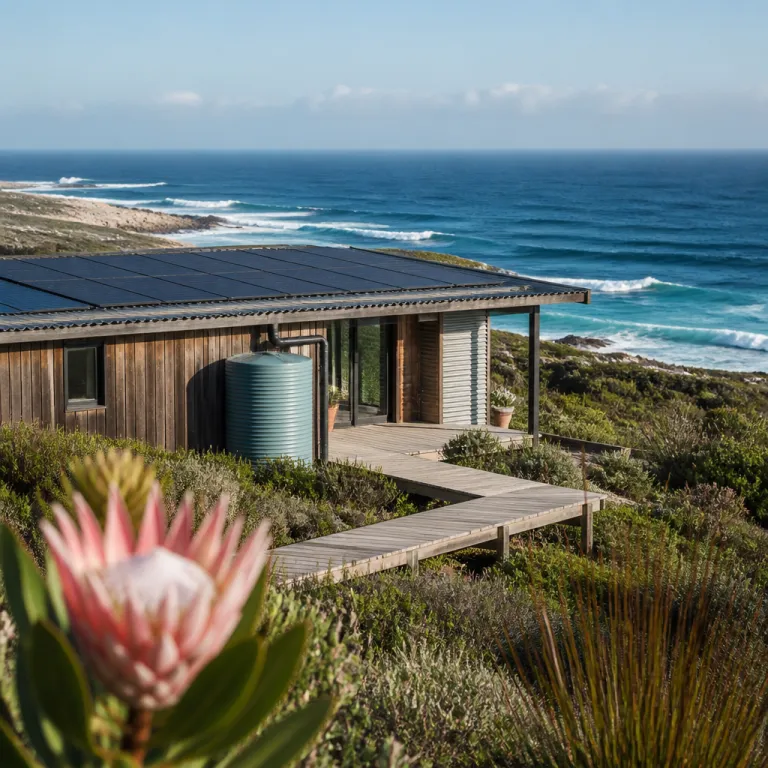
How to use this eco-lodge South Africa guide as a luxury traveller
Think of this eco-lodge South Africa guide as a filter for the noise. Across southern Africa, the word eco now appears on everything from a simple camp in a nature reserve to a full scale luxury safari lodge with a helipad. Your goal is to separate genuine low impact lodges from places where a recycling bin and a few solar lights are doing the heavy lifting.
In South Africa, an eco lodge should balance conservation, comfort and a sense of place. Real eco lodges in South Africa are designed so that wildlife, water and the local community benefit as much as the guests who travel there for a memorable experience. When you read the words eco friendly or sustainable on a website, this guide helps you decode what is marketing and what is measurable action.
Across the country there are now an estimated fifty dedicated eco focused lodges, according to national tourism reporting and industry surveys published over the past few years. That number sits within a wider boom in sustainable travel across Africa, driven by guests who want a luxury safari without the guilt of unnecessary impact on a fragile park or game reserve. Used well, this eco-lodge South Africa guide becomes your checklist before you book a lodge in a national park, a private nature reserve or along the Garden Route coastline.
What truly defines an eco lodge in South Africa
A genuine eco lodge in South Africa starts with how it is built. Look for tented camps on raised decks, lightweight structures, and indigenous planting that allows wildlife to move freely through the reserve or nature reserve without hard barriers. These design choices reduce soil disturbance, protect fragile vegetation and keep the visual footprint low, especially in a game reserve or national park.
Energy, water and waste systems are the next non negotiables in any serious eco travel guide to South African lodges. Solar power should be more than a token panel for pathway lights, with many top lodges now running full solar arrays that cover most of their electricity needs and use battery storage to smooth out demand. Water wise properties rely on rainwater harvesting, low flow fittings and sometimes boreholes, while composting or carefully managed waste systems keep rubbish out of landfills and away from wildlife.
Operations matter as much as architecture when you assess eco lodges in South Africa. Staff training, local community partnerships and conservation projects should be visible, not hidden in a brochure footnote, and the best lodges publish impact reports or at least share clear data on their work. One widely used industry definition, adapted from global sustainable tourism standards, puts it simply and usefully for travellers who care about their footprint: "Accommodations emphasizing sustainability and community support."
For wellness focused travellers, some of the most compelling examples are spa lodges that welcome families, where parents and children both unwind while still staying in an eco friendly environment. Properties that combine a serious sustainability programme with thoughtful spa design show how luxury and low impact can coexist in a safari lodge or coastal camp. When you see this depth of thinking, you know you are looking at more than a standard lodge with a few green gestures.
Certifications, labels and how to read green claims
South Africa’s certification landscape can feel opaque when you first start comparing eco lodges. Several respected programmes operate across southern Africa, including Green Tourism Active (often shortened to GTA), Fair Trade Tourism and the Heritage Environmental Rating Programme. These schemes audit energy use, water management, waste, conservation and local community engagement, giving you a clearer sense of which lodges walk the talk.
When a lodge in a game reserve or national park carries one of these marks, it signals that an external team has checked the claims. Self awarded badges or vague eco friendly icons on a website, by contrast, tell you very little about what happens behind the scenes at a safari lodge or coastal camp. Use this eco-lodge South Africa guide to prioritise independently verified labels over in house slogans, especially when you are paying a premium for a luxury safari experience.
Some of the most interesting certified properties sit outside the usual Kruger National focus, in places like the Eastern Cape or lesser known corners of southern Africa. If you are weighing up destinations, it is worth reading a detailed comparison of why Madikwe deserves your attention when everyone is talking about Kruger, because that kind of analysis shows how different reserves manage wildlife, conservation and community. The same mindset applies when you compare a high profile name such as Shamwari Reserve with smaller nature reserves that may have equally strong eco credentials but far fewer marketing resources.
Remember that certification is a starting point, not the end of your research. A lodge can hold a respected label and still make choices that do not align with your personal priorities, such as frequent scenic flights or very high impact activities. Use the labels to shortlist, then ask targeted questions about energy, water, waste and conservation to decide which eco lodges in South Africa truly match your values.
Energy, water and waste: the on the ground checklist
Once you arrive at a lodge, the practical details tell you more than any brochure. Look up at the roofs and you should see solar panels sized to match the scale of the camp, not a token strip above the staff quarters. Ask whether the property is fully off grid or still relies on the national grid for backup, and how much of its annual energy use comes from solar rather than fossil fuels.
Water systems are just as revealing in this eco-lodge South Africa guide. Many top eco lodges in South Africa use a mix of rainwater harvesting, boreholes and careful filtration to reduce pressure on municipal supplies, especially in drier regions of the Eastern Cape or around Cape Town. Low flow showers, dual flush toilets and clear signage about water use show that the lodge takes scarcity seriously without turning your stay into a lecture.
Waste is where the gap between marketing and reality often appears most clearly. In a true eco lodge, you will see visible recycling systems, composting for organic waste and minimal single use plastics in rooms and on game drives. Kitchens should prioritise local suppliers and seasonal produce, which reduces transport emissions and supports the local community economy around the reserve.
Some of the most forward thinking properties in South Africa now publish simple impact dashboards, showing how much waste they divert from landfill and how their solar systems perform across the year. For example, one Eastern Cape reserve recently reported diverting more than 80 percent of its waste from landfill and generating over 90 percent of its power from solar during peak summer months in its publicly shared sustainability summary. When you read that kind of data, you can connect your luxury safari experience directly to measurable conservation outcomes. It is the difference between a lodge that talks about being eco friendly and one that treats sustainability as a core operating principle.
Design, wildlife and community: where your money really goes
Design is never neutral in a sensitive landscape, and this eco-lodge South Africa guide treats architecture as a key part of the story. Tented suites on raised decks, lightweight walkways and indigenous gardens allow wildlife to move naturally through a reserve without hard fences or manicured lawns. In a game reserve setting, that can mean elephants browsing near your deck at night or small antelope slipping between suites at dawn.
Conservation fees and community levies are another lens through which to read a luxury safari bill. Many eco lodges in South Africa charge a nightly conservation contribution that funds anti poaching patrols, habitat restoration or research on key wildlife species in the park or nature reserve. When these funds are transparently reported, you can see how your stay supports the long term health of the game reserve rather than just its marketing budget.
Community partnerships should be visible in staff representation, sourcing and guest experiences. A lodge that employs and trains people from the local community, buys food from nearby farmers and works with local artisans for interiors is embedding itself in the social fabric of South Africa rather than operating as an isolated camp. This approach aligns with the broader goals of sustainable travel across Africa, where eco tourism is expected to support both conservation and livelihoods.
For a sense of how thoughtful sourcing and place based hospitality can feel on the ground, look at curated farm restaurant stays along the Garden Route that make dinner worth driving for. These properties may not sit inside a game reserve, yet they often share the same eco friendly principles as a safari lodge, from solar power to regenerative farming. When you see that alignment between food, design, wildlife and community, you know your travel spend is working harder than a simple room night.
Price, value and how to ask the right questions
Eco lodges in South Africa often sit at the upper end of the price spectrum, especially in private reserves. Part of that premium reflects smaller camp sizes, more staff per guest and the cost of installing serious solar systems, water treatment and waste management. Another part funds conservation and community projects that a standard lodge in a national park might not support to the same depth.
This eco-lodge South Africa guide is designed to help you understand where your money goes. Before you book, ask how much of the nightly rate is allocated to conservation in the game reserve and what specific wildlife or habitat projects it supports. Request details on staff training, local community programmes and whether the lodge works with recognised environmental organisations or conservation groups in South Africa or the wider southern Africa region.
It is also worth asking about the scale of the camp and how that shapes your experience. A ten tent property such as the planned ENVI Addo Private Reserve in the Eastern Cape, which is being built as a solar powered, conservation first camp according to its developer announcements, will feel very different from a larger safari lodge with dozens of suites. Smaller lodges often offer more flexible game drives, quieter wildlife viewing and a stronger sense of connection to the landscape.
Finally, do not be shy about asking practical questions that go beyond the usual travel guide clichés. How many vehicles operate in the reserve, and how are sightings managed to avoid crowding wildlife? What percentage of power comes from solar, and how is waste handled when the camp is at full occupancy? The more specific your questions, the easier it becomes to distinguish a true eco lodge from a place that has simply updated its website language.
Beyond South Africa: regional context and iconic benchmarks
While this eco-lodge South Africa guide focuses on properties within the country, it helps to understand the regional context. Across southern Africa, some of the most lauded eco lodges sit in neighbouring countries, setting benchmarks that influence design and operations in South Africa. When you read about a place like Mombo Camp in the Okavango Delta, you are seeing the high watermark of low impact luxury in a water based game reserve.
Mombo Camp, for example, has been rebuilt with lighter materials, extensive solar power and a strong focus on conservation funding for the surrounding wildlife rich wetlands. Its model shows how a safari lodge can combine high end comfort with serious investment in habitat protection and community partnerships, a balance that many new eco lodges in South Africa now aim to emulate. The same principles apply whether you are on a private reserve near Kruger National Park or a coastal nature reserve along the Garden Route.
Back in South Africa, names like Shamwari Reserve in the Eastern Cape illustrate how conservation led tourism can transform degraded farmland into thriving wildlife habitat. Here, multiple lodges operate within one large reserve, each with its own style but all contributing to a shared conservation and community mission. When you compare these examples with more conventional lodges that focus only on game drives and sundowners, the value of a rigorous eco framework becomes clear.
As eco tourism continues to grow across Africa, the pressure on operators to back up their green claims will only increase. Industry analyses drawing on World Tourism Organization data suggest that nature based and sustainable travel segments linked to Africa have been expanding at roughly 8 to 10 percent per year, which helps explain the rapid rise in eco lodge marketing across South Africa. Travellers using guides like this one, combined with trusted certifications and transparent reporting, are quietly reshaping what luxury safari means in South Africa and beyond. The result, at its best, is a travel landscape where wildlife, local communities and guests all stand to gain.
Key figures shaping eco lodges in South Africa
- South Africa currently hosts in the region of 50 dedicated eco lodges, according to the national tourism board and sector associations, a meaningful subset of the country’s wider lodge and safari camp inventory.
- Global eco tourism linked to Africa has been growing at roughly 8 to 10 percent per year, based on World Tourism Organization data and regional market studies, which helps explain the rapid rise in eco lodge marketing across South Africa.
- Industry data shows that sustainable travel demand is rising fastest among independent travellers aged between 25 and 50, the same group most likely to book smaller luxury safari lodges and glamping style camps.
- New projects such as ENVI Addo Private Reserve in the Eastern Cape are being designed as fully solar powered camps from day one, reflecting a broader shift away from diesel generators in sensitive reserves.
- Certification bodies including Green Tourism Active, Fair Trade Tourism and the Heritage Environmental Rating Programme now audit dozens of properties across South Africa, giving travellers more reliable benchmarks for eco performance than self awarded labels.
FAQ: eco lodges and luxury safaris in South Africa
What defines an eco lodge compared with a standard safari lodge ?
An eco lodge is defined by its commitment to sustainability and community support across construction, operations and guest experience. That means low impact building, renewable energy such as solar, careful water and waste management, and meaningful partnerships with the local community. A standard safari lodge may offer similar levels of comfort but without the same depth of conservation or social engagement.
How do eco lodges benefit local communities in South Africa ?
Eco lodges in South Africa are typically embedded in nearby villages and towns through employment, training and sourcing. They create jobs at multiple skill levels, buy food and services from local suppliers and often support schools, clinics or small business initiatives. This model spreads the economic benefits of a game reserve or nature reserve beyond the lodge gates.
Are eco lodges always more expensive than other lodges ?
Prices vary widely, but many eco lodges sit at a premium because they operate smaller camps, invest in solar and other infrastructure, and fund conservation and community projects. Some mid range properties also follow eco friendly principles without positioning themselves as ultra luxury safari destinations. When you compare rates, ask how much of the price supports conservation and local community programmes to judge value rather than cost alone.
How can I check whether an eco lodge is genuinely sustainable ?
Start by looking for recognised certifications such as Green Tourism Active, Fair Trade Tourism or the Heritage Environmental Rating Programme, then read how the lodge explains its conservation and community work. Ask specific questions about energy sources, water use, waste management and wildlife protection in the reserve or park. Genuine eco lodges will answer clearly, share data where possible and welcome informed guests who care about their impact.
Do eco lodges offer the same level of comfort as other luxury safari lodges ?
Many eco lodges in South Africa match or exceed the comfort of conventional luxury safari properties, with high quality linens, excellent food and attentive service. The difference lies in design choices such as tented suites, natural ventilation and off grid power, which create a closer connection to the surrounding wildlife and landscape. If you value both comfort and conservation, these lodges often provide the most rewarding overall experience.