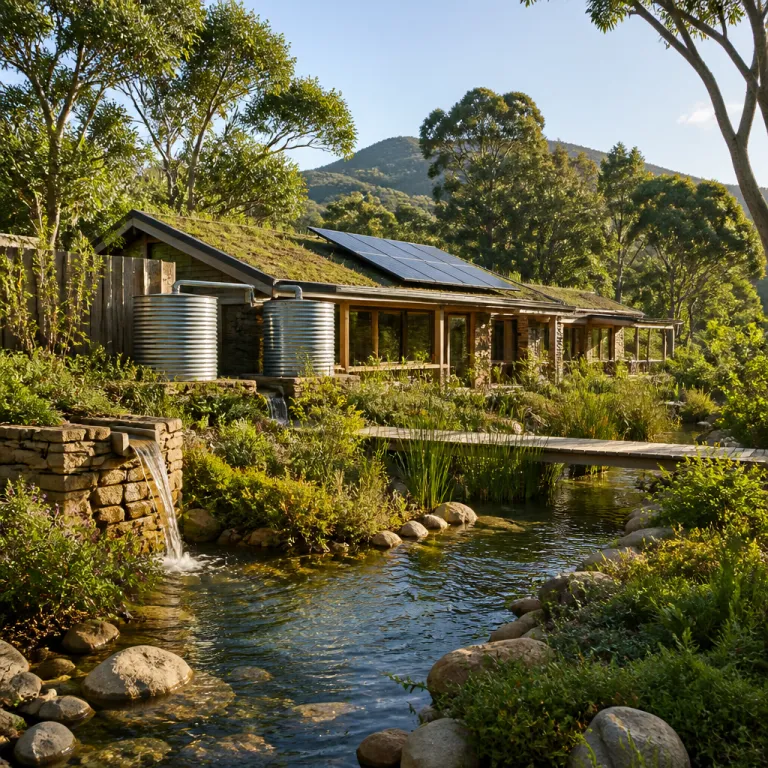
Why sustainable lodge certification in South Africa now shapes true luxury
In South Africa, the most interesting luxury stays now lead with sustainability rather than thread count. The phrase “sustainable lodge certification South Africa” signals that a property has invited auditors into its back of house, from energy use to waste management, to prove that its eco claims match reality. For a business traveller turning a Johannesburg meeting into a long weekend in a game reserve, that independent verification increasingly aligns with corporate travel policies and personal values.
Globally, only a small share of properties hold recognised sustainable lodge certification, yet South Africa is punching above its weight in Africa thanks to a strong conservation culture and sophisticated hospitality sector. Programmes such as Green Tourism Active, Fair Trade Tourism and the Heritage Environmental Rating Programme sit alongside international certifiers like Green Globe, EarthCheck and Green Key, each assessing energy, water, community and conservation performance through a structured management system. These schemes use on site audits, environmental management systems and performance benchmarking to measure how effectively a lodge reduces its carbon footprint, manages waste and supports local communities in a tangible way.
For you as a guest, that means the environmental impact of your stay in South Africa is not left to chance or marketing language. A certified lodge in the cape or a private game reserve near Kruger has had its energy efficient systems, water stewardship and community outreach checked against published criteria, with annual renewal required. Certification is not a one off badge ; it is a continuous process that encourages lodges to reduce waste, improve energy water efficiency and deepen relationships with each local community over time.
How to decode the main eco labels before you book
When you see a green leaf icon or an eco badge on a lodge website, the first step is to check which certifying body stands behind it. Green Globe, EarthCheck and Green Key are among the best known names in sustainable tourism, while South African programmes such as Fair Trade Tourism and Heritage Environmental Rating Programme focus strongly on local community benefit and conservation outcomes. Each scheme publishes criteria that cover energy, water, waste management, community engagement and environmental impact, so a serious property will link directly to those standards rather than hiding behind vague sustainability language.
At a practical level, sustainable lodge certification South Africa frameworks ask detailed questions about energy efficient technologies, from efficient lighting in guest suites to LED lighting in pathways and back of house areas. They examine how a camp or lodge reduces water consumption through low flow fittings, grey water recycling and careful borehole management, especially in arid regions of the south and in national park buffer zones. They also interrogate waste systems, requiring clear plans to reduce single use plastics, separate recyclables and handle food waste responsibly, which is why the most credible luxury eco hotels in South Africa now talk openly about their waste management strategies.
For an executive traveller scanning options between cape town and the Kruger area, this is where a curated resource such as a guide to South Africa’s most inspiring luxury eco hotels becomes invaluable. You can cross reference a lodge’s claimed certification with the certifier’s own website, verifying that the property appears in the database and checking its current status. That simple due diligence step helps you separate genuinely sustainable camps and reserves from those using the word eco as a loose marketing adjective across Africa.
The running water test: what you should see and feel on the ground
The real test of sustainable lodge certification South Africa comes when you turn on the tap in your suite or step out for a dawn game drive. Certified properties treat water as a precious resource, so you will often find aerated taps, dual flush toilets and gentle reminders to reduce unnecessary laundry, all designed to protect scarce water supplies without compromising comfort. In remote private game reserves, you may notice discreet treatment plants or reed bed systems that clean grey water before it returns to the environment, a quiet but powerful sign that environmental impact is being taken seriously.
Energy is just as visible once you start looking for it, from solar arrays behind the staff village to LED lighting along pathways and in guest areas that still feel atmospheric. Many leading lodges in South Africa now combine energy efficient appliances with intelligent management systems that balance generator use, battery storage and grid power to reduce their carbon footprint while keeping the champagne cold. When you walk through a camp at night and see warm toned efficient lighting rather than harsh floodlights, you are experiencing design choices that protect nocturnal wildlife and the night sky as much as they save energy.
On the conservation side, a certified lodge in a game reserve should be able to explain exactly how your nightly rate supports habitat protection, anti poaching patrols or research in a nearby national park. Articles such as analyses of conservation as the real luxury in private reserves highlight how the best properties now treat land restoration as their core purpose, with hospitality as the funding engine. When a manager can talk fluently about carrying capacity, wildlife corridors and how they work with local communities on grazing or fire management, you are hearing sustainable tourism in action rather than a rehearsed eco script.
From phinda private to mombo camp: benchmarks for serious sustainability
Some lodges across southern Africa have become reference points for how high end properties can integrate sustainability into every part of the guest experience. At Phinda Private Game Reserve in KwaZulu Natal, conservation and community outreach have long been woven into the business model, with guests invited to learn about rhino protection projects and education programmes for nearby local communities. The reserve’s approach shows how a luxury lodge can use a formal management system to align energy, water, waste and wildlife decisions with long term conservation goals.
Further north in the Okavango Delta, Mombo Camp has set a regional standard for combining low impact design with exceptional game viewing, and its practices influence expectations for South African properties competing in the same luxury space. While Mombo Camp sits in Botswana rather than South Africa, its focus on renewable energy, careful energy water planning and sensitive camp placement in a private game concession has shaped what discerning travellers now look for in any African safari experience. When you compare a South African lodge to Mombo Camp or other leaders in the Okavango Delta, you start to see whether the talk of green operations and eco consciousness is matched by visible infrastructure and transparent reporting.
Closer to cape town, new generation properties in the cape region are being designed from the ground up with solar power, rainwater harvesting and advanced waste management systems that reduce pressure on fragile ecosystems. A certified lodge near the city might pair efficient lighting and LED lighting with electric vehicle transfers, allowing you to move between boardroom and vineyard without inflating your carbon footprint unnecessarily. This is where sustainable lodge certification South Africa becomes a competitive advantage, signalling to both leisure guests and corporate travel managers that the property can deliver a sophisticated, low impact stay without sacrificing service or style.
Questions to ask before you book a certified eco lodge
Before you commit to a high value stay, a few precise questions will quickly reveal whether a lodge’s sustainability story is robust. Start by asking which certification the property holds, when it was last audited and whether the report is available, because serious players treat transparency as part of the guest experience. You can then probe how the lodge manages energy, water and waste on site, listening for specific references to energy efficient systems, water recycling, waste management partners and a documented environmental management system rather than vague eco friendly language.
Next, turn to people and place, because sustainable tourism in South Africa is as much about community as it is about carbon. Ask how many staff come from the local community, what training or procurement programmes support local communities and which long term community outreach projects your stay helps to fund. A credible lodge will talk about partnerships with schools, conservation NGOs and local businesses, and may invite you to visit a project or meet team members who grew up in the surrounding area.
Finally, explore how your stay contributes to conservation beyond the lodge fence, especially if you are visiting a private game reserve or a property bordering a national park. You might hear about wildlife monitoring, alien plant removal or landscape scale collaborations with neighbours to reduce human wildlife conflict, all of which show that the lodge understands its wider environmental impact. As one industry explainer puts it, “What is a sustainable lodge certification? A third-party verification of a lodge's adherence to environmental and social standards. Why are sustainable lodge certifications important? They ensure eco-friendly operations and promote resource efficiency. How can I verify a lodge's certification? Check for recognized eco-labels and consult certifying bodies' websites.”
Where luxury, policy and personal ethics meet on your next trip
For many executives, the decision to choose a certified sustainable lodge in South Africa now intersects with corporate ESG commitments and travel policies. Companies increasingly prefer partners that can demonstrate reduced carbon footprint, credible environmental impact reporting and meaningful engagement with local communities, which is exactly what sustainable lodge certification South Africa frameworks are designed to evidence. When you submit your expense report, being able to show that your chosen camp or reserve meets recognised sustainability standards can support internal compliance as well as personal conscience.
On a more intimate level, the guest experience at a certified lodge often feels calmer and more connected to place, from the soft hum of solar inverters to the absence of plastic water bottles on your game drive vehicle. Properties such as Sabi Sabi Earth Lodge, profiled in depth in this immersive luxury safari review, show how design, energy systems and conservation ethos can merge into a single, coherent narrative. You are not just sleeping in a stylish room ; you are participating in a carefully managed system that aims to reduce waste, protect biodiversity and support the surrounding community.
Across Africa, from the cape to the Okavango Delta, the most forward thinking lodges now treat sustainability as their core product rather than an add on. They invest in efficient lighting, LED lighting, renewable energy and sophisticated water systems because these choices future proof their operations and attract guests who are willing to pay for integrity. When you next search for a lodge in South Africa, let the presence of rigorous certification, clear communication about energy water use and visible conservation work guide your choice, and you will feel the difference every time you turn on the running water in your suite.
FAQ about sustainable lodge certification in South Africa
What is a sustainable lodge certification in South Africa ?
A sustainable lodge certification in South Africa is a formal, third party assessment that verifies how a lodge manages its environmental and social responsibilities. Independent auditors review energy, water, waste, community and conservation practices against published criteria. Only properties that meet these standards can use the certifier’s logo and must renew regularly to keep it.
How can I check whether a lodge’s eco claims are genuine ?
Start by identifying the exact certification name, such as Green Globe, EarthCheck, Green Key, Green Tourism Active, Fair Trade Tourism or Heritage Environmental Rating Programme. Then visit the certifier’s website to confirm that the lodge is listed and that its status is current. If you cannot verify the claim or the property is vague about audits and reports, treat the eco messaging with caution.
What should I expect to see at a certified eco lodge ?
At a genuinely certified lodge, you should notice visible measures such as solar panels, efficient lighting or LED lighting, low flow taps, limited single use plastics and clear recycling points. Staff will usually be able to explain how water is treated, how energy systems reduce the carbon footprint and how waste management is handled. You should also hear specific examples of community outreach and conservation projects that your stay supports.
Does choosing a certified lodge really reduce my environmental impact ?
Staying at a certified lodge generally lowers the environmental impact of your trip compared with a similar but uncertified property. Certification frameworks push lodges to reduce energy and water use, improve waste systems and invest in conservation and local communities, which collectively shrink the footprint of each guest night. Your flights still matter, but accommodation choice is one of the most direct levers you control.
Are certified sustainable lodges always more expensive than others ?
Certified lodges in South Africa often sit in the premium segment because they invest heavily in technology, staff training and conservation, yet prices vary widely by region and season. In some cases, efficient energy and water systems can lower operating costs, helping keep rates competitive with non certified peers. When comparing options, consider not only the nightly rate but also the value of contributing to credible sustainable tourism and community benefit.