Mapungubwe heritage accommodation in Limpopo: where trade routes meet family travel
Mapungubwe heritage accommodation in Limpopo sits at the meeting point of archaeology, wilderness and quiet luxury. This is where the Limpopo River and the Shashe River carve a natural border between South Africa, Botswana and Zimbabwe, and where the Mapungubwe Kingdom once controlled gold and ivory flowing towards the Indian Ocean. For families choosing accommodation near Mapungubwe National Park, the reward is a rare combination of cultural depth, soft adventure and a crowd free safari rhythm.
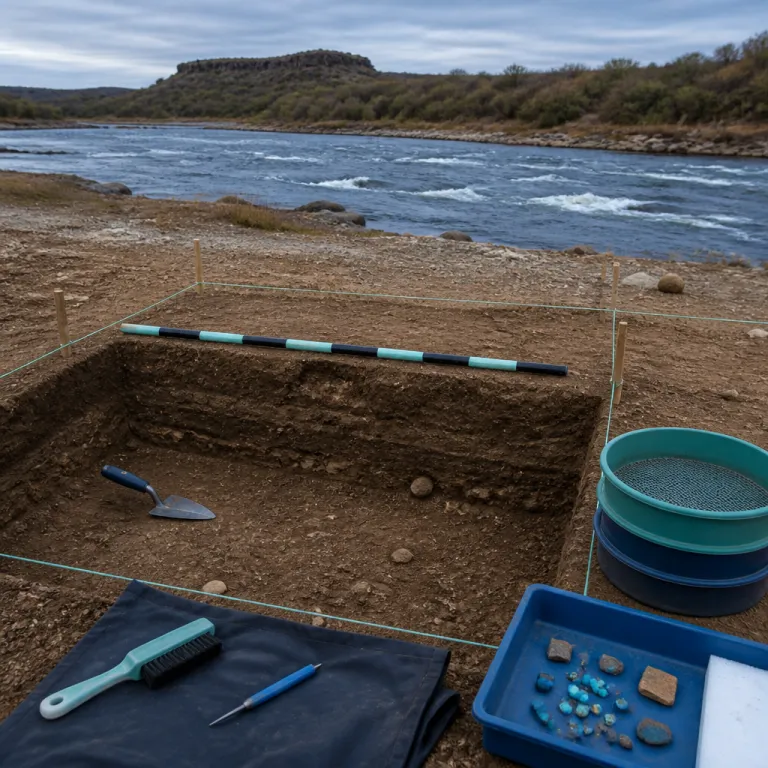
The Mapungubwe Kingdom flourished between roughly 900 and 1300 AD, long before later royal capitals like Great Zimbabwe rose to prominence. Archaeologists working with the University of Pretoria and SANParks use excavation, carbon dating and careful artifact analysis to trace how this early African élite managed trade networks that stretched across southern Africa. As one researcher explains in the official record, "What is Mapungubwe?" and answers directly, "An ancient African kingdom from 900-1300 AD," now widely cited in University of Pretoria and South African Heritage Resources Agency summaries.
Today Mapungubwe National Park covers about 28 000 hectares of protected land near Musina in northern Limpopo, and it has been recognised as a UNESCO World Heritage Site for its cultural landscape since 2003. The park is a nature reserve and a national park in one, where sandstone ridges, baobab forests and mopane bush hold both wildlife and archaeological sites. When you book accommodation here, you are not just a guest in a lodge or camp, you are stepping into a living classroom of pre colonial South African history, with SANParks rangers and guides acting as on the ground interpreters.
Families often arrive expecting only a quiet game reserve experience, then realise they are standing on South Africa's oldest known royal hilltop. The famous gold rhinoceros figurine, now housed in the Mapungubwe collection at the University of Pretoria Museums, is the most celebrated artifact from Mapungubwe and a symbol of early African craftsmanship. Staying in carefully chosen hotels, a bush lodge or a tented camp near the park lets you frame that story for children, with game drives and guided heritage walks giving context to what they will later see in textbooks and museum displays.
The Mapungubwe landscape: baobabs, sandstone and the Limpopo frontier
The landscape around Mapungubwe heritage accommodation in Limpopo feels older than any border on a map. At the confluence of the Limpopo and Shashe rivers, the land drops into a broad valley where elephants move between riverine forest and open bush, and where sandstone koppies glow copper at sunset. From a well positioned safari lodge or bush lodge, you can watch the light change over mopane bush while listening to the low call of doves and the distant splash of hippo.
Mapungubwe National Park is not a manicured reserve but a rugged nature reserve where geology and archaeology share the same stage. The park's sandstone formations hide caves and overhangs that once sheltered people connected to the Mapungubwe Kingdom's trade routes, while the surrounding game reserves protect corridors for elephant, leopard and more than four hundred bird species. Families staying in a guest house or tented camp inside or near the national park quickly understand that this is not a Big Five checklist destination, but a place where the bush tells a longer story.
Unlike the greener reserves of the Eastern Cape or the coastal stretches of the Western Cape, the Limpopo Valley has a semi arid beauty shaped by mopane trees and hardy grasses. In the dry months the mopane bush turns a dusty bronze, and game viewing along the riverine belts becomes particularly rewarding for patient guests. Children often remember the silhouettes of baobabs against the sky as clearly as any animal sighting, especially when guides explain how the Mapungubwe Kingdom once used this same landscape as a backdrop to a sophisticated trading society.
For travellers who know South Africa mainly through the Cape Winelands or the beaches of KwaZulu Natal, Mapungubwe offers a different kind of luxury. Here the premium experience is the silence between game drive radio calls, the way a national park night sky looks without city light, and the sense of standing on a hill where rulers watched caravans move towards the coast. When you later read about conservation focused private reserves, such as those discussed in detailed lodge reopening stories from Madikwe, this frontier landscape gives you a reference point for how varied South African safari country can be.
Where to stay: from SANParks camps to private lodges around Mapungubwe
Choosing Mapungubwe heritage accommodation in Limpopo starts with deciding how close you want to be to the archaeological core. Inside Mapungubwe National Park, SANParks manages a cluster of self catering camps, a tented camp and a few more conventional chalets that suit independent families. These national park options place you near the interpretive centre and main viewpoints, with the trade off of simpler service compared with full service safari lodge stays in nearby private reserves.
The main rest camp offers comfortable accommodation with air conditioning, basic kitchens and easy access to guided game drives and heritage tours. For a more atmospheric experience, the tented camp inside the park gives guests canvas walls, raised decks and the sounds of the bush at night, while still providing hot showers and proper beds. Families who prefer a bush lodge style stay can look to private game reserve properties in the Greater Mapungubwe area, such as Mapungubwe Private Nature Reserve or Leokwe Camp style lodgings, where guided activities, meals and sometimes child focused programmes are included in the nightly rate.
These private lodges, some operated by established South Africa Pty style hospitality groups or conservation focused operators, often sit on adjacent nature reserves that share unfenced boundaries with the national park. That means you can enjoy a classic safari lodge rhythm of morning and afternoon game drives, then spend the heat of the day visiting the Mapungubwe interpretive centre or joining an archaeology themed walk. Articles on conservation as the real luxury in private reserves, such as those published by mysouthafricastay.com, are particularly relevant here because the Mapungubwe landscape demands sensitive development.
Not every family needs a high end lodge though, and there are guest house options and small hotels in Musina and surrounding Limpopo towns that work well as bases for day visits. These properties may not sit inside a game reserve, but they offer reliable accommodation, swimming pools for children and easier access to supermarkets for longer stays. When comparing options, think of SANParks camps as best for immersion, private game reserves as best for guided experiences, and town based guest houses as best for road trip style itineraries that also include other parts of South Africa.
Visiting Mapungubwe with children: making archaeology and wildlife come alive
Mapungubwe heritage accommodation in Limpopo lends itself surprisingly well to family travel, provided you plan the rhythm of each day. Younger children rarely want a long lecture on medieval trade networks, but they will remember climbing to a viewpoint over the Limpopo River and hearing how gold once travelled this route towards distant ports. The key is to balance time in the national park's interpretive centre with time in the bush, letting game drives and short walks break up the history lessons.
The Mapungubwe interpretive centre, designed with sweeping stone vaults that echo the surrounding koppies, presents the story of the Mapungubwe Kingdom through models, timelines and carefully displayed artifacts. Panels explain that the kingdom was established around 900 AD, reached a peak of trade around 1200 AD and declined by 1300 AD, likely due to climate shifts that affected agriculture. One of the most effective ways to engage children is to stand near the display of the gold rhinoceros figurine and link it directly to the hilltop they will see on a guided tour, turning an abstract artifact into a tangible symbol of early African power.
Back at your lodge, camp or guest house, the conversation can shift from kings and trade routes to elephants, giraffes and the calls of nightjars. Many safari lodge guides in the Mapungubwe region are adept at weaving archaeology into their game drive commentary, pointing out how ancient people would have used the same river crossings that modern herds favour. In a tented camp or bush lodge, evenings around the fire become informal seminars where children ask about everything from leopard behaviour to how archaeologists use carbon dating and brushes to uncover fragile pottery.
Parents who have already explored more classic safari regions like the North West's Madikwe or the Eastern Cape's family friendly reserves often comment that Mapungubwe feels more contemplative. There is still plenty of game, but the focus shifts towards understanding how people and wildlife have shared this landscape for centuries, which can be a powerful lesson for teenagers. If your broader itinerary includes wine country stays, such as those highlighted in mysouthafricastay.com's coverage of the Stellenbosch wine tourism conference, Mapungubwe adds a cultural counterpoint that rounds out a South Africa journey for curious young travellers.
Wildlife, logistics and how Mapungubwe fits into a wider South African itinerary
While archaeology is the headline, Mapungubwe heritage accommodation in Limpopo also delivers a satisfying wildlife experience. The national park and surrounding nature reserves support elephant, giraffe, zebra, a healthy population of antelope and elusive predators like leopard, along with more than four hundred recorded bird species. Game viewing here is quieter than in some larger game reserves, but that suits travellers who prefer unhurried drives along the Limpopo River rather than crowded sightings.
Reaching Mapungubwe from Johannesburg is straightforward for confident drivers, with a journey of roughly six to seven hours by road via Polokwane and then north towards Musina. Many families choose to break the trip with a night in the Free State, the North West or even the Northern Cape if they are looping through multiple provinces, turning the drive into a broader exploration of South Africa's interior. Those who prefer to fly can connect to Polokwane and then continue by road, arranging transfers through their chosen lodge, guest house or hotel.
Mapungubwe combines well with other regions, though it sits far from the Western Cape, Eastern Cape and KwaZulu Natal coasts that dominate many first time itineraries. A classic pattern is to pair a few nights in a Mapungubwe area safari lodge or SANParks camp with time in the greater Kruger region, then finish with urban or wine country stays near the Cape. For travellers who have already ticked off headline destinations, adding Mapungubwe to a route that includes lesser known nature reserves and game reserves in Limpopo and the Northern Cape creates a more textured picture of South Africa.
Behind many of these experiences are specialist operators such as Siyabona Africa and other Africa Pty style travel companies, which package Mapungubwe stays with broader cultural and wildlife routes. Whether you book directly with SANParks, through a conservation minded game reserve or via a curated platform like mysouthafricastay.com, the aim should be the same. You are choosing accommodation that respects the national park, supports local communities and gives your family a front row seat to both the archaeology and the living bush that still surrounds South Africa's oldest known trade route.
FAQ
What is Mapungubwe and why is it important ?
Mapungubwe was an ancient African kingdom that flourished between roughly 900 and 1300 AD in what is now Limpopo, South Africa. It is significant because it represents the earliest known complex state in southern Africa, with evidence of social hierarchy, long distance trade in gold and ivory, and sophisticated craftsmanship. The archaeological remains within Mapungubwe National Park show that this society was a major trade hub in ancient Africa, linking the interior to coastal routes towards the Indian Ocean, a status recognised in UNESCO World Heritage documentation and South African heritage listings.
Where exactly is Mapungubwe National Park located ?
Mapungubwe National Park lies near the town of Musina in the far north of Limpopo province, close to South Africa's borders with Botswana and Zimbabwe. The park is centred on the confluence of the Limpopo and Shashe rivers, a natural meeting point that once anchored regional trade routes. Travellers usually reach it by road from Johannesburg via Polokwane, or by combining a regional flight to Polokwane with a road transfer arranged through their chosen lodge or camp, using SANParks booking offices or accredited tour operators for reservations.
What types of accommodation are available near Mapungubwe ?
Accommodation options around Mapungubwe range from SANParks run camps and a tented camp inside the national park to private safari lodges and bush lodges in neighbouring game reserves. There are also guest houses and small hotels in nearby towns like Musina, which suit travellers who prefer a town base with day visits into the park. Families can choose between self catering units, fully catered safari lodge stays and more modest guest house options depending on budget and the level of guiding and service they want, with nightly rates typically varying from simple park chalets to higher end private lodge packages.
Is Mapungubwe suitable for a family trip with children ?
Mapungubwe works very well for families, especially those with school age children interested in history and wildlife. The interpretive centre and guided tours to the Mapungubwe hilltop make the archaeology accessible, while game drives and walks in the national park provide classic safari experiences with elephants, giraffes and abundant birdlife. Choosing family friendly accommodation, such as a lodge or camp that welcomes children and offers flexible activities, helps keep the balance between learning and leisure, and SANParks information sheets outline age limits for certain guided activities.
How long should I stay in Mapungubwe and what can I combine it with ?
A stay of two to three nights in Mapungubwe is usually enough to explore the main archaeological sites, enjoy several game drives and spend time at the interpretive centre. Many travellers combine Mapungubwe with a longer safari in the greater Kruger region, or with cultural and wine experiences in the Cape and urban stays in Johannesburg or Pretoria. For repeat visitors to South Africa, adding Mapungubwe to an itinerary that also includes lesser known nature reserves in Limpopo, the Northern Cape or the Eastern Cape creates a deeper, more varied journey that reflects the diversity highlighted in official tourism and UNESCO World Heritage route material.