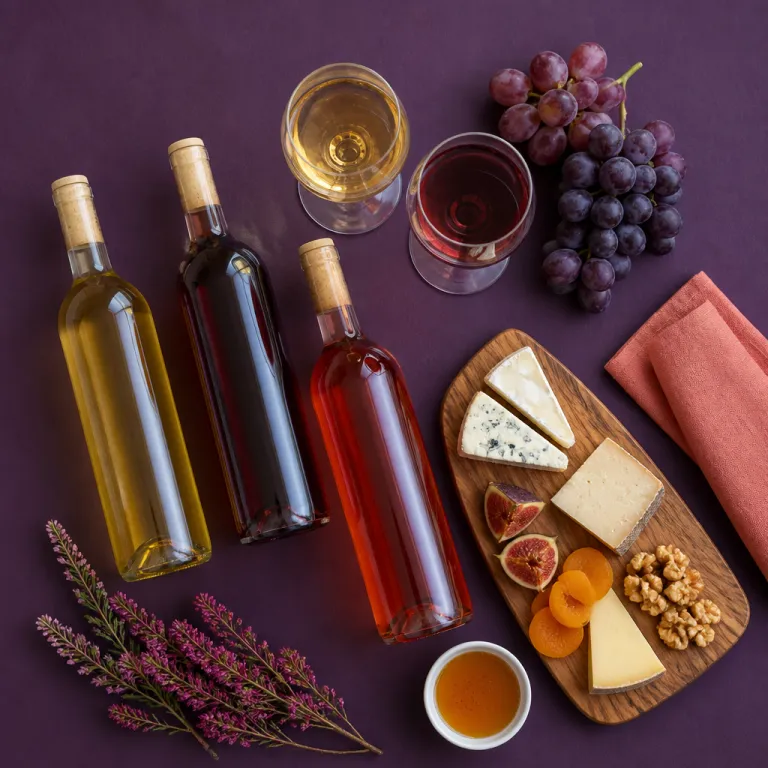
Why Robertson wine valley accommodation is the insider Winelands choice
Robertson sits quietly on Route 62, roughly two hours from Cape Town, offering serious wine without the Stellenbosch crowds. This is where Robertson Wine Valley accommodation comes into its own, with vineyard houses and river cottages that feel like private hideaways rather than polished showpieces. Couples who stay in Robertson for more than one night often end up extending their trip, drawn in by the slow rhythm of farm life and the Breede River light.
The town of Robertson anchors the wider wine valley, which produces a substantial share of South Africa’s wine and has more than 50 working cellars. According to the Robertson Wine Valley Association’s regional overview, the valley has “50+ wineries” and an “annual wine grape intake of approximately 200 000 tons”, underscoring how much production is concentrated in this compact region. That scale means you can plan a farm stay on a working Robertson estate, then spend each day moving between Chardonnay specialists, Shiraz masters and Cabernet Sauvignon stalwarts.
What keeps Robertson under the radar is the gravitational pull of the coastal Cape Winelands, especially Stellenbosch and Franschhoek. Many international guests fly into Cape Town, head straight for those famous valleys, and never check availability for a quieter house or cottage further inland. For travellers who have already done the classic Cape Winelands loop, Robertson Wine Valley accommodation offers a next chapter with softer prices, more relaxed hosts and a friendlier pace.
Reading the landscape: terroir, river light and working farms
The Robertson valley stretches along the Breede River, framed by dry mountains and surprisingly lush vineyards. Cooler night air drifts down from the surrounding ranges, giving the grapes a longer ripening period than you might expect this far inland. That diurnal shift is one reason Robertson wine producers excel at Chardonnay and Méthode Cap Classique, while still turning out generous Shiraz and Cabernet.
Staying on a Robertson farm estate lets you feel that terroir rather than just taste it in a glass. Many Robertson Wine Valley stays sit directly on the river or in the middle of working vines, so guests wake to tractors in the distance and end the night adults only with a glass of local wine under a sky full of stars. As one recent guest put it in a review of a Breede River cottage, “We heard more owls than cars all weekend.” A good farm stay here is not a staged rural fantasy; it is a functioning agricultural operation that happens to have a beautifully restored cottage or guest house attached.
Compared with the coastal Cape Winelands, the Robertson landscape feels wider, more open, less manicured. You trade clipped lawns for fynbos slopes and long gravel drives, and you gain a sense of space that suits couples who want quiet more than nightlife. If you are torn between Franschhoek vineyard suites and a slower Robertson base, think of it this way: Franschhoek is for restaurant hopping, while Robertson is for reading on the veranda and listening to irrigation sprinklers at dusk.
Franschhoek vineyard stays pair well with a later detour to Robertson, creating a two-valley itinerary that shows how dramatically terroir and hospitality style can shift within the broader Western Cape.
Where to sleep: from riverside cottages to wine estate guesthouses
Accommodation in Robertson runs from simple self-catering cottages to polished guest houses on historic farms. For couples, the sweet spot is often a one-bedroom cottage that sleeps two adults, with a private garden and either a swimming pool or a hot tub for late-night stargazing. When you check availability, look closely at how close you are to the vines or the Breede River, because that proximity shapes the entire stay and often the nightly rate.
Names to know include Pepper Cottage, a perennial favourite for couples who want a compact, stylish base within easy reach of the main Robertson wine estates. Pepper Cottage stays usually include access to a shared pool and a small garden, making it ideal for a relaxed night adults escape from Cape Town. Typical nightly prices for similar one-bedroom cottages in the valley often fall in the mid-range band, roughly from budget-friendly to moderate per night depending on season. For something more remote, Pat Busch Mountain Reserve offers cottages and houses tucked into a private valley, with walking trails, dams and a sense of being far from any main road.
Fossil Hills, another farm stay stalwart, sits on a working wine and olive farm on the Robertson side, with cottages that spill out onto vineyards and mountain views. Many units here have their own hot tub or wood-fired plunge pool, which turns a simple Robertson Wine Valley booking into a genuinely romantic retreat. For food-focused travellers, timing your stay with one of the harvest table dinners highlighted in guides to Cape truffle and Winelands harvest stays can add a memorable culinary layer to your Robertson itinerary.
Facilities that matter: pools, hot tubs and pet friendly stays
In the Western Cape interior, a good pool is not a luxury extra; it is survival strategy. Summer afternoons in the Robertson valley can be hot, so a swimming pool or plunge pool becomes the social heart of many guest stays. When you browse Robertson Wine Valley accommodation, filter for properties with either a full-size pool or a private hot tub if you plan to spend long afternoons on the farm.
Couples who travel with dogs will find a growing number of pet-friendly options in and around Robertson. Some farm-stay hosts allow pets in specific cottages only, often those with enclosed garden areas and easy access to walking trails away from vineyards. Always check availability and pet policies in advance, because working farms have livestock, and responsible guests respect those boundaries.
Inside the cottages and houses, expect a mix of polished and rustic, depending on price point. At the top end of Robertson Wine Valley stays, you will find air-conditioned suites, high-thread-count linens and generous bathrooms with deep tubs or outdoor showers. Mid-range farm stays might offer simpler finishes but compensate with friendlier hosts, more flexible check-in times and the kind of informal hospitality that keeps reviews glowing.
For travellers who care about sustainability, Robertson’s emphasis on responsible farming and water use is increasingly visible in property descriptions. If you want to understand what eco claims actually mean in a South African context, the field guide to green credentials on eco lodges in South Africa is a useful lens to apply when you evaluate any farm stay in this valley.
Planning your Route 62 road trip: Cape Town to Robertson and beyond
Driving from Cape Town to Robertson takes around two hours on good roads, making it an easy first leg of a longer Route 62 journey. The distance is roughly 160 kilometres via the N1 and R60, with clear signage from Worcester towards Robertson, so navigation is straightforward even for first-time visitors. Many guests choose to stay in Robertson for two or three nights, using the town as a base for day trips to nearby Montagu, Ashton and the quieter stretches of the Breede River. If you are building a multi-stop itinerary, think in terms of valleys rather than towns, and let the wine and landscape guide your pacing.
A classic loop starts in the coastal Cape Winelands, then heads inland to Robertson and on to Montagu for hot springs and hiking. From there, Route 62 continues through Barrydale into the Klein Karoo, where the scenery shifts from vineyards to semi-desert plains. Robertson Wine Valley accommodation works well as the soft landing between the polished estates near Stellenbosch and the wilder, more remote guest farms further east.
When you check availability along Route 62, pay attention to minimum night stays, especially on weekends and during harvest season. Some farm-stay properties require a two-night minimum, which actually suits couples who want to unpack properly and settle into the rhythm of the farm. Use one account on your preferred booking platform to keep track of each Robertson check, Montagu reservation and Klein Karoo house booking, so you can see the full trip at a glance.
Because the region is growing in popularity among international guests, advance bookings for wine tours and tastings are increasingly important. Local tourism bodies advise that “Advance bookings are recommended for tours”, especially during harvest when cellar teams are stretched. Build in at least one unscheduled afternoon though, to sit by the pool or river and let the valley dictate the pace.
How to choose the right Robertson stay for your trip
Start by deciding whether you want to be in town, on the river or deep in the vineyards. A central guest house in Robertson suits travellers who like to walk to dinner, check out local cafés and be close to multiple cellars without driving far. A farm stay on the Breede River or in a side valley like Pat Busch or Fossil Hills offers more privacy, darker night skies and a stronger sense of being in the Western Cape countryside.
Next, think about how you travel as adults rather than as a group. Couples who value quiet should look for Robertson Wine Valley accommodation that limits the number of guests per house or cottage, ideally to four sleeps or fewer. Properties that market themselves as family friendly can still work for romantic trips, but read reviews carefully to see whether the pool area feels like a playground or a calm place for a late afternoon glass of Robertson wine.
Finally, be honest about how much time you will actually spend on the property. If you plan to be out tasting wine all day, a simple, clean cottage with a comfortable bed and a small garden may be enough. If your idea of a perfect stay in Robertson involves long hours in a hot tub, lazy swims in a large pool and slow breakfasts on a shaded veranda, then it is worth paying for a higher-end farm house with more generous outdoor spaces.
Whatever you choose, remember that the Robertson Wine Valley Association and its partners have spent decades building a tourism ecosystem that supports both guests and the local community. Their stated goals are to “Showcase quality wines”, “Attract tourists” and “Uplift local community”, and that balance of pleasure and purpose is part of what makes this valley feel so quietly confident.
Key figures that shape Robertson Wine Valley stays
- The Robertson Wine Valley has around 50 wineries, according to the Robertson Wine Valley Association, giving guests an unusually high cellar density for such a compact region.
- Annual wine grape intake in the valley is listed at approximately 200 000 tons by the association, which underpins the diversity of local tasting experiences and cellar-door styles.
- Travel time from Cape Town to Robertson is about 160 kilometres by road, typically taking close to two hours in normal traffic, making it one of the most accessible inland wine regions in the Western Cape for short breaks.
- The valley contributes a significant share of South Africa’s total wine production, which helps explain why Robertson Wine Valley accommodation options range from simple cottages to polished guest houses despite the area’s low profile.
- Route 62, often described as the world’s longest wine route, links Robertson with Montagu, Barrydale and the Klein Karoo, enabling multi-night adults itineraries that combine vineyards, hot springs and semi-desert landscapes.
FAQ: planning a Robertson Wine Valley stay
What is the best time to visit Robertson Wine Valley ?
The harvest season offers the most vibrant experience, with cellar teams active, grapes coming in and many estates running special tastings or events. Outside harvest, late spring and early autumn bring mild temperatures that suit long walks through vineyards and relaxed afternoons by the pool. Winter can be atmospheric, with clear night skies and fireplaces in many cottages and houses.
Are there accommodations available directly in the valley ?
Yes, there is a wide range of Robertson Wine Valley accommodation, from in-town guest houses to farm stays on working wine estates. Options include riverside cottages on the Breede River, mountain-facing houses in reserves like Pat Busch and vineyard cottages on farms such as Fossil Hills. Prices are generally lower than in Stellenbosch or Franschhoek, which makes longer stays more accessible.
Do I need to book wine tours and tastings in advance ?
Advance bookings are recommended to ensure availability, especially during harvest and on weekends when both locals and international guests fill tasting rooms. Many estates in the Robertson area now require reservations for seated tastings, cellar tours or food pairings. Booking ahead also lets you structure your day to avoid driving long distances between appointments.
Is Robertson suitable for a romantic couple’s trip ?
Robertson is particularly well suited to couples who value quiet, space and direct access to nature. Many cottages sleep two adults only, with private gardens, hot tubs or pools that make a single night feel like a full reset. The combination of award-winning Robertson wine, friendly hosts and uncrowded roads creates a relaxed atmosphere that contrasts with busier parts of the Cape Winelands.
How long should I stay in Robertson as part of a Route 62 itinerary ?
Two nights is the minimum to get a feel for the valley, visit a few cellars and enjoy your chosen farm stay without rushing. Three or four nights allow time for a mix of wine tasting, river activities on the Breede River and day trips to Montagu or nearby mountain reserves. If you are combining Robertson with other Route 62 stops, aim for at least one full free day with no driving, just to enjoy your house, cottage, pool and the changing valley light.
References
- Robertson Wine Valley Association (regional statistics and cellar listings)
- Wines of South Africa
- South African Tourism