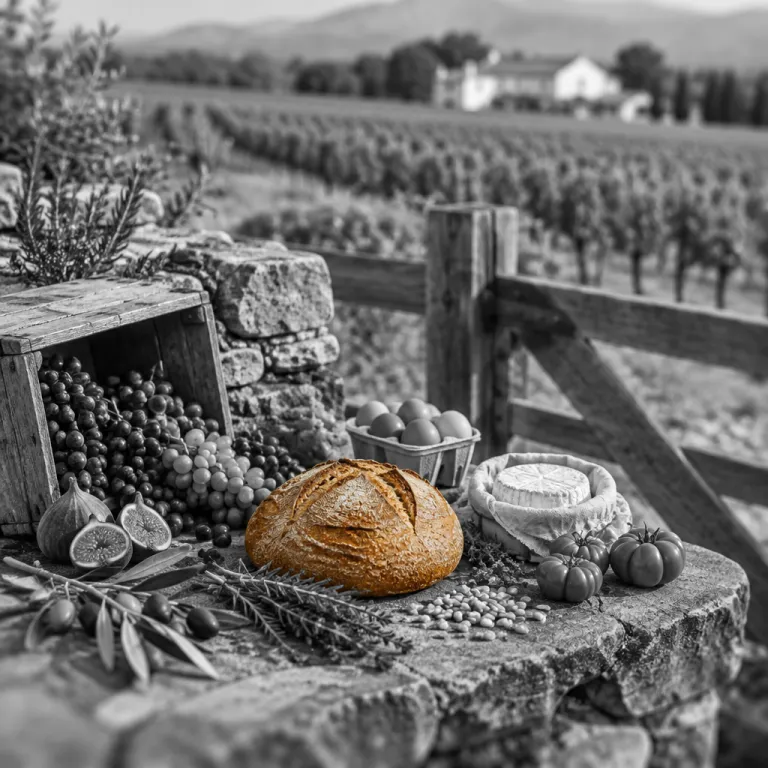
Why western cape food trail family south africa travel is changing how families eat
Families are rethinking how they travel through the Western Cape, and food is quietly becoming the compass. A family-focused food trail through this part of South Africa now links farm gates, coastal markets and wine farms where children can play, taste and learn in equal measure. Parents want a day that feels relaxed and indulgent, while kids need movement, animals and fun woven into every stop.
Instead of racing between city attractions in Cape Town, many families now anchor their stay on a wine estate or coastal farm and build slow, looping drives around it. This style of Western Cape food travel works especially well for multi generational groups, because grandparents can linger in a tasting room while younger children explore a supervised play area or garden. Older kids often become the most enthusiastic food scouts, comparing gelato in town with farm churned ice cream on a wine farm later in the trip.
For visitors arriving in South Africa for the first time, the region’s scale can feel daunting, yet food trails make the map suddenly legible. You can move from the Atlantic West Coast to the lush Garden Route in stages, pausing at family friendly wine farms, cheese makers and olive mills that break the drive into manageable pieces for every child. The result is a rhythm where each day balances driving with time to enjoy one place well, whether that is a shaded garden in Somerset West or a farm stall near Plettenberg Bay.
Stellenbosch and Cape Town: where wine estates meet child friendly tasting rooms
Stellenbosch has become the quiet capital of the Western Cape family food trail movement, thanks to its dense cluster of wine farms and working estates. Many a wine estate here now treats the tasting room as a family friendly salon, with shaded lawns, sandpits and a dedicated play area just beyond the terrace. At Spier Wine Farm, for example, parents can enjoy structured wine tasting flights while children share a simple garden picnic menu of flatbreads, seasonal fruit and farm cheeses on the riverside lawns.
In Cape Town itself, the city’s food story stretches from the V&A Waterfront to the slopes below Table Mountain, where hotel kitchens are rewriting what a tasting menu can be for families. Properties featured in guides to Table Mountain kitchens and reimagined tasting menus often offer parallel plates for kids, echoing the same ingredients in gentler, more playful formats. This approach respects the wine culture of South Africa while acknowledging that a long, formal dinner rarely suits younger children or older kids who prefer to move between courses.
Many estates around Stellenbosch and nearby Somerset West now pair wine with structured activities, so a child can join a short garden tour or grape juice tasting while adults sample the best vintages. On some wine farms, such as Warwick and Vergenoegd Löw, staff set up lawn games so kids can play within sight of the terrace, which keeps the atmosphere relaxed and genuinely family friendly. When you combine this with Cape Town’s coastal energy and easy access to Camps Bay or the West Coast, you start to see why families treat this region as their base for a longer stay in South Africa.
Beyond wine: coastal food routes from the West Coast to the Garden Route
Once families have tasted their way through Stellenbosch and Cape Town, many extend their Western Cape culinary journey along the coast. To the north, the West Coast offers small fishing towns where children can watch boats unload the day’s catch before lunch in a simple, sea facing garden. To the south and east, the road curves past Hermanus, where whale watching seasons overlap with weekends of wine and seafood pairings on nearby wine farms such as Creation in the Hemel-en-Aarde Valley.
Further along the Garden Route, Plettenberg Bay has quietly evolved from a beach town into a soft adventure hub for families who love food. Wine farms on the hills above Plettenberg Bay now produce elegant méthode cap classique, and many run casual tasting room decks with child friendly platters and space to play. A short drive inland brings you to farm stalls like Old Nick Village and Thyme & Again, where a child can pick berries in season, feed small animals and enjoy a farm baked treat while parents choose picnic supplies for the next day.
Families who prefer quieter roads often combine the Garden Route with a detour into the Eastern Cape, where coastal reserves and game drives add a different texture to the trip. Here, some lodges serve menus built around local lamb, garden vegetables and South African staples like roosterkoek, paired with wines sourced from a favourite Western Cape wine estate. For parents who care about pairing before plating, resources such as guides to Cape Winelands food and wine pairing help them choose stays where the culinary experience is as considered as the safari.
Designing a two day family food trail through the Western Cape
Planning a two day Western Cape family food itinerary works best when you think in arcs rather than checklists. On day one, base yourself in Cape Town or nearby Somerset West, starting with a slow breakfast in town before driving 45 minutes to an accessible wine farm with a strong family friendly reputation. Look for a wine estate that offers a clear play area, a relaxed garden and a short, focused tasting room experience so children do not feel trapped at the table.
After lunch, many families head towards Camps Bay or the Atlantic seaboard for an hour of beach play, which helps younger children reset after sitting still. Older kids often enjoy a late afternoon cable car ride up Table Mountain, where the views across the city and the wider Western Cape give context to the farms they visited earlier. Back at your hotel, choose a property that balances a great menu with space for children to unwind, such as one of the spa lodges highlighted in this guide to family friendly spa lodges where parents and children both relax.
Day two might follow the N2 towards the Garden Route, with a mid morning stop at a child friendly farm stall for coffee, juice and a short garden walk. From Cape Town, it takes around two hours to reach the farm stalls near Swellendam, which makes a natural pause before continuing to a cluster of wine farms near the coast. Choose one with lawn games so kids can play while adults enjoy a final tasting of South Africa’s coastal wines, then aim to end the day at a small coastal town, where a simple seafood dinner and an early night prepare everyone for the next leg towards Plettenberg Bay or the Eastern Cape.
Where to stay: luxury hotels that understand food curious families
Not every luxury hotel in South Africa is built with families in mind, so choosing the right base is crucial for any Western Cape food trail with kids. In Cape Town, look for properties that offer interleading rooms or suites for a family, a flexible children’s menu and concierge teams who know which wine farms are genuinely child friendly. Proximity to both Table Mountain and the city’s best markets helps you balance urban energy with easy escapes to the Cape Winelands.
Along the Garden Route and around Plettenberg Bay, many high end lodges now blend coastal views with thoughtful food programs that welcome kids. Some estates near the Eastern Cape reserves even combine gentle game drives with garden to table dining, so children see where ingredients come from before they reach the plate. One Cape Town parent described their stay at a Winelands hotel by saying, “The staff knew our children’s names by the second day, and the chef walked them through the herb garden before dinner,” a small detail that captures how personal these experiences can feel.
Families who value wellness often choose spa focused properties where treatments are timed around mealtimes and naps, rather than the other way around. In these hotels, chefs are used to adapting the menu for a picky child or an older kid keen to try a small wine tasting under supervision. Over time, this kind of hospitality turns a simple stay in the Western Cape into a layered memory of flavours, landscapes and shared meals that connect Cape Town, the West Coast, the Winelands and the wider South Africa.
FAQ
How many days do we need for a Western Cape family food trail ?
A focused Western Cape food trail for families works well over four to seven days. This gives you time to base in Cape Town, explore nearby wine farms and then add at least one overnight along the Garden Route. With fewer days, concentrate on Cape Town, Stellenbosch and Somerset West, choosing one coastal day trip rather than trying to reach Plettenberg Bay or the Eastern Cape.
Are Western Cape wine estates really suitable for young children ?
Many wine estates in the Western Cape have become genuinely family friendly, with lawns, play areas and short, structured tastings. When you book, ask specifically about child friendly facilities, kids’ menus and whether the tasting room overlooks a safe garden. The best wine farms understand that relaxed parents spend more time, and they design the experience so children can play within sight.
Can we combine game drives with a food focused family trip ?
It is entirely possible to blend gentle game drives with a culinary itinerary, especially if you route through the Eastern Cape. Several family oriented lodges pair short drives with menus that highlight South African produce and wines from the Western Cape. This combination works well for older kids, who can handle early mornings in the vehicle and still enjoy a long, relaxed lunch later in the day.
What is the best base for a first family visit to South Africa ?
For a first trip, Cape Town is usually the best base, thanks to its mix of city attractions, nearby wine farms and easy access to the West Coast and the Garden Route. From town, you can reach Stellenbosch, Somerset West and several coastal villages in under two hours, which keeps driving time manageable for children. Once you understand the region’s rhythm, you can add longer stretches towards Plettenberg Bay or inland reserves on a future visit.
How do we keep older kids engaged on a food trail ?
Older kids respond well when they have a role in planning the day, such as choosing one wine farm stop or a specific Garden Route café. Hands on activities like bread baking, chocolate workshops or short whale watching trips near Hermanus break up the eating and keep the trip active. Many families also set a simple daily challenge, like finding the best ice cream in town or rating each estate’s play area, which turns a Western Cape family food adventure into a shared game.