Reading the landscape: what toddler friendly really means in South Africa
Choosing a toddler friendly hotel in South Africa starts with understanding how the country’s regions shape family travel. In the western cape and the broader south africa coastline, distances between a beachfront lodge and a city hotel are short, yet policies for a child under five can differ dramatically. Parents planning a premium family trip quickly realise that a truly toddler friendly hotel South Africa wide is defined less by marketing language and more by how a property handles sleep, safety and flexible routines.
Across the country, many safari hotels and each private game lodge operate with strict minimum ages for game drives, usually between six and twelve years. This is not hostility toward kids ; it reflects safety rules in a game reserve where a restless child can unsettle wildlife and compromise the experience for other families. When you filter options for a family friendly stay, always read the small print on age limits for safaris south of Kruger, in the eastern cape or along the garden route.
City hotels and coastal lodges are usually more relaxed, yet not every hotel in south africa is equally prepared for toddlers. A property may advertise itself as child friendly or even kid friendly, but still lack basics such as blackout curtains, cots, high chairs or a shallow pool section. The most reliable toddler friendly hotels combine thoughtful hardware with service that anticipates what exhausted parents actually need after a long flight from cape town to a remote town south of Durban.
From a booking perspective, mysouthafricastay.com curates hotels that already meet a high bar for families with young children. We look for friendly hotels that offer family suites, interleading rooms and flexible bedding so a child or two can sleep close without parents feeling cramped. We also prioritise hotels with excellent reviews from families, because patterns in guest feedback often reveal more about noise levels, staff attitude and real world toddler readiness than any glossy brochure.
Data from regional platforms indicates that around two hundred hotels in south africa actively position themselves as toddler friendly. That number sounds generous, yet once you filter for luxury standards, fenced pools, verified babysitting and proximity to a safe beach or malaria free safari, the list narrows quickly. This is where a specialist lens on the hotel cape market, from cape town to the western cape winelands, becomes invaluable for families who refuse to compromise on either comfort or safety.
Age policies and safari realities: where under-fives are truly welcome
The hardest part of planning a toddler friendly hotel South Africa itinerary is often the safari segment. Many parents dream of sharing their first safaris south of Johannesburg with their children, yet discover late in the process that their chosen game lodge does not accept a child under six on open vehicles. Understanding why these rules exist helps you choose a lodge or game reserve that welcomes your family without bending safety standards.
In classic big five areas, such as Sabi Sand, vehicles are open and wildlife encounters can be intense for small children. Lodges like Sabi Sabi Bush Lodge, one of the better known luxury properties in the region, often provide family friendly accommodation but still restrict young children from certain activities. When you check availability, always ask whether a private game vehicle can be arranged for families with toddlers, as this can transform a stressful drive into a calm, flexible outing.
Malaria free reserves in the eastern cape and parts of the western cape are often better suited to under fives. Places such as Aquila Private Game Reserve near Touws River have built a reputation as a child friendly option, with shorter game drives, a large pool and structured kids activities on site. These reserves usually offer special offers for families, making a private game experience more accessible than in some of the headline northern parks.
Age policies also vary within the same region, so do not assume that every lodge in a single game reserve follows identical rules. Some friendly hotels inside or near reserves allow children on dedicated family drives at quieter times of day, while others insist that kids under a certain age remain at the lodge with a nanny. Always request written confirmation of child policies before you finalise any hotel booking in south africa, especially if you are travelling with more than one child or with very young twins.
Beyond the bush, coastal regions such as kwazulu natal’s south coast are leaning into the family market with integrated resort concepts. The forthcoming Club Med property in this area, profiled in detail in the article on Africa’s first combined beach and safari all inclusive resort, will feature Junior Ranger style activities that echo the structure of a game lodge but in a more controlled environment. For parents nervous about full scale safaris south of the major cities, these hybrid resorts can be a gentle first step before committing to a remote private game lodge.
Urban properties also have age related nuances that matter for families. Some of the grand hotels in cape town, such as Mount Nelson, a Belmond Hotel, are explicitly family friendly with expansive gardens, a secure pool and supervised kids programmes during peak seasons. Others in town south of the central business district may welcome children but lack the outdoor space that makes life easier with toddlers who need to run between naps.
Coastal calm: beachfront retreats that work for toddlers
For many families, the most relaxing toddler friendly hotel South Africa experience happens not on safari but by the sea. A beachfront hotel in the western cape or along the garden route offers a gentler rhythm, where a child can nap to the sound of waves and parents can trade off short walks on the sand. The key is choosing hotels where the beach, the pool and the room layout all work for under fives, not just for older children who can swim confidently.
In cape town, the Atlantic seaboard combines dramatic scenery with easy access to the city’s cultural life. Properties such as Cape Grace, set on the V&A Waterfront, have long attracted families who want a central hotel cape address with a sheltered marina view rather than crashing surf. Here, families appreciate the calm promenade for stroller walks, the heated pool and the ability to reach child friendly attractions within minutes.
Further along the coast, the garden route is a classic choice for families seeking space and softer weather. Many friendly hotels in towns like Plettenberg Bay and Knysna offer self contained suites with kitchenettes, which can be invaluable when a child wakes hungry at odd hours. When you check availability, look for properties that provide stair gates, cots and a fenced pool, as open decks above the lagoon can be nerve wracking with active toddlers.
Beachfront lodges in kwazulu natal often sit on warmer waters, which can be more comfortable for small children who tire quickly in cold seas. Some of these hotels offer supervised kids clubs, shallow splash pools and early dinners, allowing parents to enjoy a glass of local wine while their children eat simple, familiar food. A few even arrange gentle beach games at sunset, turning the shoreline into a safe playground rather than a backdrop.
When comparing coastal options, pay attention to how each hotel describes its family friendly facilities rather than relying on generic labels. A property that simply states it is kid friendly may only mean that children are allowed, whereas a genuinely child friendly hotel will list cots, high chairs, babysitting and flexible meal times as standard. For a deeper dive into high end seaside stays, the guide to luxury beachfront hotels in South Africa highlights which coastal addresses balance elegance with practical family comforts.
Not every coastal retreat is equally suited to toddlers, even within the same town. Some hotels sit above steep staircases or unfenced cliffs, which can be exhausting to manage with a curious child who wants to explore every corner. Others, often slightly set back from the shore, trade a direct sea view for level gardens, enclosed courtyards and a calmer pool area, all of which can make a stay with under fives feel far more restful.
Cape Town and Winelands: city hotels that understand young families
Cape town is the natural entry point for many international families heading to south africa. The city’s best hotels understand that a toddler friendly hotel South Africa wide must balance urban energy with quiet corners for naps and early nights. In practice, this means choosing properties where a family can move easily between room, pool and playground without navigating busy streets or long internal corridors.
On the waterfront, Cape Grace has long been a reference point for family friendly luxury. Suites can be configured to keep children close while still giving parents a separate sleeping area, and the staff are known for a genuinely friendly attitude toward kids rather than a forced smile. Families also value the secure setting, where a child can watch boats in the marina or play simple games on the quay under supervision.
In the city’s leafy suburbs, Mount Nelson offers a different kind of urban retreat. Set in expansive gardens with a large pool and shaded lawns, it feels more like a country lodge than a central hotel, yet it sits only a short drive from the museums and galleries of town south of Table Mountain. For many families, this combination of space, service and proximity makes it one of the most child friendly hotels in the city.
The nearby winelands, especially around Stellenbosch and Franschhoek in the western cape, have evolved from adult focused wine tourism to a more inclusive model. Many estates now operate small hotels or lodges with family suites, enclosed gardens and relaxed restaurants where children are welcome at lunch. Parents can taste wine in short sessions while kids explore supervised play areas or simple farm style attractions, turning what used to be an adults only day into a shared family experience.
When evaluating city and winelands hotels, look beyond the headline facilities to the rhythm of the property. Does the restaurant offer early dinners for children, or will your child be eating at twenty one hundred alongside business travellers ? Are there quiet corners where a child can nap in a stroller while parents enjoy a coffee, or is every public space dominated by loud music and bar activity ? These details often matter more than whether a hotel has a formal kids club.
Budget also plays differently in cities than in remote lodges. Urban hotels sometimes allow a child to share existing bedding at no extra cost, while others charge a per child supplement that can add up quickly for larger families. Always ask for special offers that apply to families, and compare the total cost of a larger suite against two interleading rooms, as the latter can sometimes provide better value and more flexibility for bedtime routines.
Inside a toddler ready room: safety, sleep and the small details
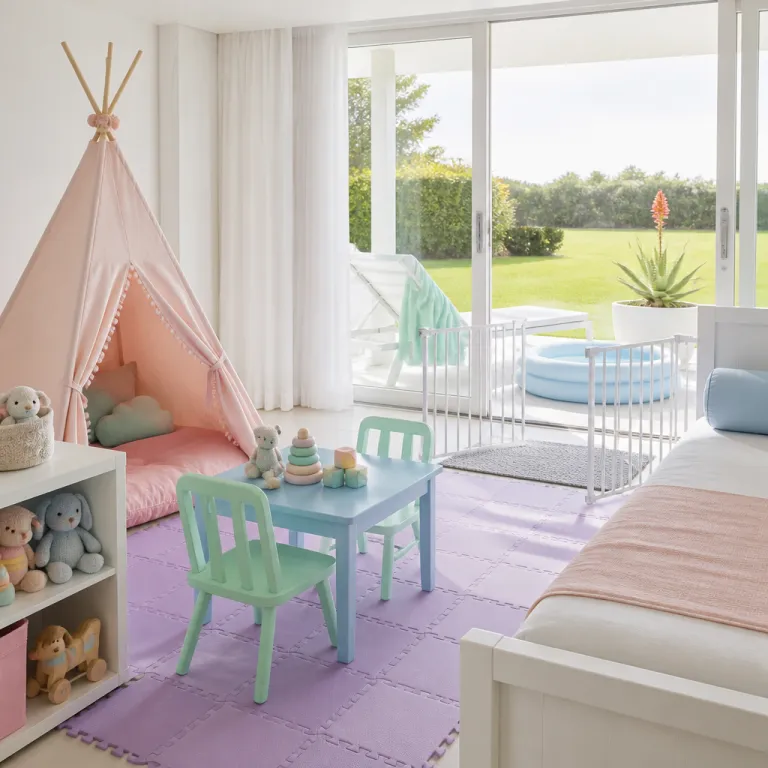
Once you have chosen a toddler friendly hotel South Africa region by region, the next layer is the room itself. A family friendly property that excels in public spaces can still fall short if the layout, lighting and safety features of the room do not support a child’s sleep and play patterns. Experienced families know that a few small details can mean the difference between a restorative stay and a long, fragmented night.
Start with sleep, because everything else flows from it. Ask whether the hotel provides proper cots with firm mattresses, not just a folding camp bed, and whether blackout curtains or shutters are available to keep the room dark for early bedtimes. If your child is sensitive to noise, request a room away from the bar, the main pool and any service corridors, even if that means sacrificing a more dramatic view.
Safety is the next non negotiable, especially in hotels with balconies or split level layouts. Check whether doors to balconies can be locked high out of a child’s reach, and whether internal stairs can be blocked with temporary gates or furniture. In ground floor rooms, look for secure terraces or small gardens where a child can play under supervision without direct access to a pool or driveway.
Bathroom design also matters more than many hotels realise. A walk in shower without a step can be easier for parents bathing a wriggling toddler, but only if the floor is not dangerously slippery when wet. Ask whether the hotel can provide a small plastic tub or non slip mat, and confirm that hot water controls are easy to manage so a child cannot accidentally turn the temperature to an unsafe level.
Families should also pay attention to how storage is arranged. Low open shelves filled with glassware or heavy objects can be hazardous for curious children, while high wardrobes and closed cupboards keep temptations out of reach. If you are staying for several nights, a room with enough space to unpack fully can reduce clutter on the floor, making it easier to move around safely during night time wake ups.
Finally, consider the invisible infrastructure that supports family life. Reliable baby monitors, either provided by the hotel or brought from home, are only useful if the building’s layout and materials allow a stable signal between room and restaurant. Some hotels, such as The Rabbit Hole Hotel in Krugersdorp, are small enough that staff can easily reach parents if a child wakes, while larger resorts may require more formal babysitting arrangements to maintain both safety and peace of mind.
What parents really need: services, budgets and honest expectations
Parents booking a toddler friendly hotel South Africa stay are rarely looking for elaborate themed experiences. They want calm, flexibility and a sense that their family is genuinely welcome, not merely tolerated in a space designed for adults. The most successful friendly hotels understand this and shape their services around real family rhythms rather than abstract marketing ideas.
Food is often the first friction point between hotels and families. A property that offers early dinners, simple child friendly menus and the option to heat baby food quietly solves half the daily stress for parents. When a hotel insists on formal dining hours or complex tasting menus, even the most beautiful view or wine list cannot compensate for a hungry, overtired child at the table.
Childcare is the second major variable, and it has clear budget implications. Some hotels include supervised kids activities or limited babysitting in their special offers, while others charge hourly rates that can rival the room cost if used every evening. Always ask whether childcare is provided by trained staff employed by the hotel or by external agencies, and whether there are minimum booking durations that could affect your plans.
Transport and logistics also shape the overall experience. A hotel that can arrange properly fitted child seats in transfer vehicles, or that sits within a short drive of key attractions, reduces the daily friction of moving a family around. In contrast, a remote lodge that requires multiple flights and long road transfers may be better suited to older children, even if its game viewing is exceptional.
Parents should be realistic about what a toddler can handle on safari or in a busy city. Shorter game drives, flexible schedules and the option to skip activities without guilt are more valuable than ticking every box on a wildlife checklist. Sometimes the most memorable moment of a trip is not a dramatic game sighting but a quiet hour by the pool, where a child splashes in the shallow end while parents share a glass of wine and a rare uninterrupted conversation.
As one regional summary puts it, “Are there toddler-friendly hotels in South Africa? Yes, several hotels cater to toddlers.” That reassurance is helpful, but it is only a starting point ; the real work lies in matching a specific family’s needs to a specific property’s strengths. This is where curated platforms such as mysouthafricastay.com, which focus on honest reviews and detailed family feedback, can save parents from costly mismatches between expectation and reality.
Planning your route: stitching city, coast and safari into one family trip
Designing an itinerary around a toddler friendly hotel South Africa network is as much about pacing as it is about place. A classic pattern for families is to start with a few nights in cape town, move along the garden route or into the winelands, then finish with a gentle safari in a malaria free game reserve. This sequence allows children to adjust gradually to time zones, climates and new environments.
In cape town, begin with a central yet calm base such as Cape Grace or Mount Nelson, where a family can explore the city in short bursts. Mornings might include a cable car ride up Table Mountain or a visit to the Two Oceans Aquarium, both easy outings with children. Afternoons can be reserved for naps, pool time and low key walks along the waterfront or in the Company’s Garden.
From there, the garden route offers a natural next step, with its mix of beaches, forests and small towns. Families can choose friendly hotels in places like Wilderness or Knysna, where drives between stops are short and scenery keeps everyone engaged. When you check availability, look for properties that offer laundry facilities, as being able to refresh a child’s clothes mid trip can reduce packing volume and daily stress.
The safari segment should come last, when children are more settled and parents have a clearer sense of how their child is coping with travel. Malaria free reserves in the eastern cape or family focused properties like Aquila Private Game Reserve near the western cape are ideal for a first experience. For couples considering returning without children for a more intense wildlife focus, the guide to planning a honeymoon safari in South Africa’s romantic reserves offers a useful contrast in pacing and priorities.
Throughout the trip, keep an eye on how each hotel’s policies and layout affect your daily rhythm. A lodge that insists on fixed game drive times may work beautifully for early rising families, while others will prefer a coastal hotel where days can unfold more loosely around naps and meals. There is no single perfect formula ; the art lies in matching your family’s energy to the right mix of city, coast and bush.
Finally, remember that flexibility is your greatest asset when travelling with under fives. Build in buffer days with no fixed activities, choose refundable rates where possible and avoid over scheduling, even when special offers tempt you to pack more into each stop. South africa rewards slow, attentive travel, and toddlers often respond best when given space to adapt at their own pace rather than being rushed from one highlight to the next.
Key figures for toddler friendly stays in South Africa
- Approximately two hundred hotels across South Africa actively market themselves as toddler friendly, according to regional accommodation platforms, highlighting a significant base for families to choose from.
- Many safari lodges set minimum ages between six and twelve years for participation in standard game drives, which directly affects how families with under fives should plan their wildlife experiences.
- Malaria free reserves in the Eastern Cape and parts of the Western Cape have seen rising demand from families with young children, as they combine safer health profiles with shorter transfer times compared with northern parks.
- Coastal regions such as the Garden Route and KwaZulu Natal’s south coast attract a high proportion of family bookings, driven by easier access to beaches, warmer seas and a broader range of child friendly hotels at different price points.
- Industry observations indicate a steady increase in hotels adding dedicated children’s programmes, fenced pools and early dining options, reflecting a wider shift toward genuinely family friendly design rather than simple child acceptance.
Frequently asked questions about toddler friendly hotels in South Africa
Are there toddler friendly hotels in South Africa ?
Yes, there are many toddler friendly hotels in South Africa, ranging from city properties in Cape Town to coastal resorts and selected safari lodges. Regional data suggests that around two hundred hotels actively position themselves for families with young children. The key is to verify specific amenities such as cots, high chairs, fenced pools and babysitting before you book.
What amenities should I look for when travelling with a toddler ?
Parents should prioritise safety and sleep related features, including proper cots, blackout curtains, secure balcony doors and, ideally, a fenced or clearly separated pool area. Practical extras such as high chairs, baby baths, bottle warming facilities and early meal times make daily routines easier. Reliable babysitting or supervised kids activities can also give adults short breaks without compromising a child’s comfort.
Can toddlers join safari game drives in South Africa ?
Many traditional safari lodges do not allow toddlers on standard game drives, with minimum ages often set between six and twelve years for safety and comfort reasons. Some family focused reserves offer shorter, child specific drives or the option of a private vehicle for families with young children. Always confirm age policies and available alternatives with the lodge before finalising your booking.
How do I book a toddler friendly hotel in South Africa ?
You can book directly with hotels, through specialist family travel agencies or via curated platforms that focus on family friendly properties. Whichever route you choose, contact the hotel to confirm toddler specific amenities and policies rather than relying solely on online descriptions. Asking detailed questions about room layout, dining options and childcare will help you avoid surprises on arrival.
Are babysitting and children’s programmes widely available ?
Babysitting and children’s programmes are increasingly common in South African hotels, especially in major cities, coastal resorts and larger game reserves. However, the quality and structure of these services vary, from informal ad hoc arrangements to fully supervised kids clubs with planned activities. Always ask whether carers are trained, how ratios are managed and what spaces are used for children’s activities before you decide to rely on these services.