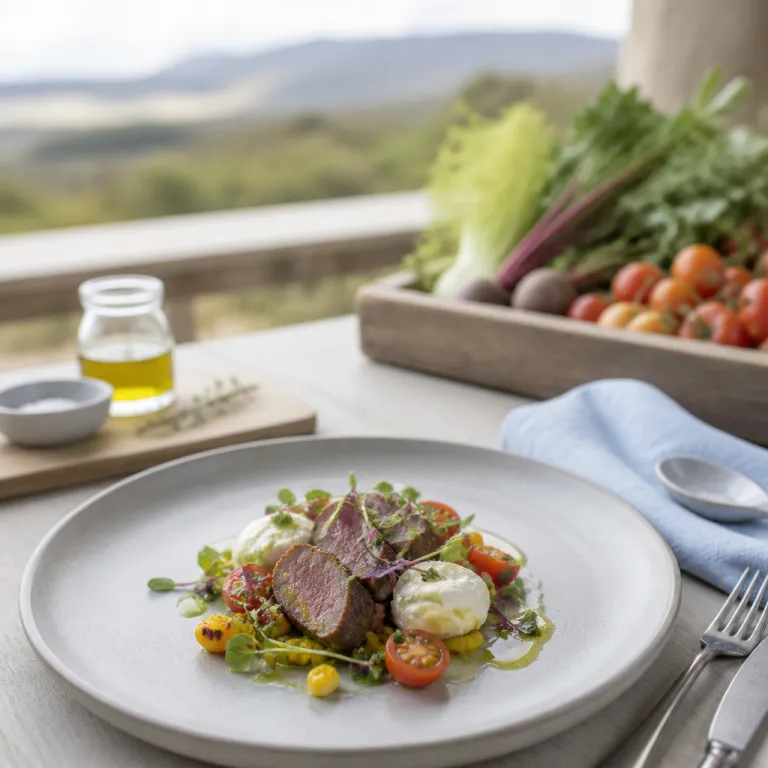
From game reserve to plate: defining the hundred kilometre lodge kitchen
A new kind of farm to table safari lodge in South Africa is quietly reshaping how luxury travellers eat on safari. At its core, the hundred kilometre plate means lodge chefs commit to sourcing the vast majority of ingredients from farms, game ranches, and estate gardens within roughly 100 kilometres of the property. In practice, this philosophy turns every safari meal into a precise expression of the surrounding wildlife reserve, river valley, or winelands slope.
Across South Africa, the most forward thinking safari lodges treat their kitchens as field laboratories for regional flavour rather than generic luxury. At Tswalu Kalahari, for example, the Klein JAN team works with more than 30 Northern Cape suppliers, and over 80 percent of the menu is sourced within a two hour drive of the lodge, a figure confirmed in Tswalu’s publicly available sustainability briefings. This approach is especially powerful in a private game reserve, where venison from carefully managed herds, herbs from the kitchen garden, and stone ground grains from a neighbouring farm can all sit on the same plate.
On a luxury safari, the phrase farm to table is no longer marketing shorthand but a working method that shapes daily menus. In a well run safari lodge, the chef’s équipe will often start the day by checking what the reserve can ethically yield, what the river valley farms have harvested, and which small dairies have cheese ready. At Grootbos Private Nature Reserve near Gansbaai, for instance, the kitchen team reviews a daily list from nearby vegetable growers and fynbos foragers before finalising the evening menu. As one Grootbos chef explained in an interview for the lodge’s own journal, “the menu starts with whatever the land is willing to give us that morning.” The result is a safari experience where food, wildlife, and landscape are inseparable, and where guests begin to understand that a private game drive and a slow breakfast can tell the same story in different ways.
Seasonal plates in the bush: how the landscape writes the menu
Seasonality is where the hundred kilometre philosophy becomes most vivid for travellers planning a locally sourced safari lodge itinerary in South Africa. In the dry months, when game viewing is at its most dramatic and many couples time their travel for peak wildlife, menus lean into slow cooked game, root vegetables, and preserved fruits. During the green season, when the bush thickens and temperatures soften, plates become lighter with fresh herbs, young greens, and river fish from regulated fisheries near certain lodges.
In malaria free regions such as the Madikwe Game Reserve, chefs use the cooler winter air to cure meats and smoke line caught fish, pairing them with grains grown on nearby highland farms. At Madikwe Safari Lodge, winter menus often feature biltong made from reserve managed venison and barley from North West family farms, while summer at a Madikwe safari property might bring grilled vegetables from estate gardens, bright relishes, and chilled soups that mirror the lushness guests see on game drives. If you are choosing the perfect season to visit South Africa’s luxury safari destinations, it is worth asking each lodge how their seasonal menus shift, because the best lodges will happily map out what a July plate looks like versus one in late summer.
Along the Garden Route, coastal lodges and tented camps work with small scale fishers and shellfish harvesters, adjusting menus daily according to what the ocean allows. Properties near Plettenberg Bay, for example, often buy directly from harbour cooperatives that log catch species and volumes to comply with local quotas. Inland, in private wildlife reserve settings bordering a national park, the rhythm is set by calving seasons, rainfall, and the flowering of indigenous plants that feed both animals and people. For couples who care as much about culinary nuance as about wildlife conservation, aligning travel dates with these seasonal food cycles can turn a standard safari into a layered, place specific safari experience.
Inside the kitchen: constraints, creativity, and the chef’s challenge
Working within a hundred kilometre radius is both a constraint and a creative spark for lodge chefs across South Africa and neighbouring Botswana. When a safari lodge commits to this model, imported luxuries become rare treats rather than menu staples, and the chef must coax depth from local grains, heritage vegetables, and carefully managed game. The question is no longer how to reproduce a global fine dining template, but how to translate the surrounding game reserve into a coherent culinary language.
Chefs I have spoken with describe the daily logistics as a kind of quiet choreography between the lodge, nearby farms, and the private game managers who oversee wildlife numbers. At a Waterberg reserve, one head chef described how twice weekly meetings with the conservation team determine which antelope cuts will appear on the menu, while a pastry chef at a Cape winelands lodge keeps a running WhatsApp thread with three neighbouring fruit farms to track ripeness and surplus. These anecdotes echo what you taste in a slow braised kudu shoulder or a simple salad of garden leaves dressed with estate pressed oil, and are consistent with case studies published in regional hospitality trade reports.
The sustainability upside is significant, because reduced food miles and tighter supply chains lower the carbon footprint of a luxury safari without sacrificing comfort. Audits shared in lodge sustainability reports from properties in the Kalahari and Eastern Cape indicate that shifting from national distributors to regional suppliers can cut delivery kilometres by 40 to 60 percent over a season, especially when combined with consolidated weekly orders. Many properties now pair solar powered infrastructure with hyper local food systems, a combination explored in depth in independent analyses of how off grid lodges keep the luxury while cutting the carbon. For guests, the creative constraint means menus that change frequently, staff who can explain exactly which river valley or hillside produced each ingredient, and a dining room where the line between food experience and safari experience almost disappears.
From winelands estates to coastal retreats: how place shapes the plate
The hundred kilometre plate looks very different in a Cape winelands estate compared with a remote bush lodge or a coastal retreat. In Stellenbosch and Franschhoek, where properties like Spier Hotel have long championed local sourcing, nearly every item and material, from jacquard throws to placemats, is South African made, and the same ethos governs the kitchen. Spier’s farm café and hotel restaurant report that roughly 90 percent of fresh produce comes from the estate farm or within a 50 kilometre radius, and the remaining share is sourced from certified regional suppliers, according to the Spier sustainability overview. Here, farm to fork safari dining ideals intersect with estate viticulture, so chefs can pair single vineyard wines with vegetables grown metres from the cellar and cheeses from a neighbouring farm.
At these winelands lodges, couples might move from a morning tasting in the cellar to a spa treatment rooted in Cape botanicals, then sit down to a dinner where each course traces a different slope of the property. At Babylonstoren, for instance, spa oils, garden tours, and tasting menus all draw from the same grid of orchards and vegetable beds, giving guests a tangible sense of terroir that extends beyond wine. For deeper context on this style of integrated hospitality, guides to spa lodges in the winelands with treatments rooted in Cape botanicals are useful, because they show how wellness, wine, and food can share the same terroir. The result is a kind of luxury safari for the palate, where the wildlife is replaced by soil types, grape clones, and heirloom vegetable varieties.
Along the coast, particularly on the Garden Route, the hundred kilometre radius pulls in line caught fish, wild coastal herbs, and dairy from inland pastures, creating a different but equally grounded food experience. Some coastal retreats now publish weekly blackboards listing the small boats and farms that supplied that day’s menu, a level of transparency that reassures guests who care about traceability. In contrast, lodges and camps along major rivers such as the Zambezi River or the Chobe in Botswana lean into freshwater fish, river greens, and floodplain vegetables, while still respecting strict conservation rules. Across these varied landscapes, the constant is a commitment to local producers and to menus that taste unmistakably of their specific corner of Africa rather than of an anonymous international hotel.
How guests taste the difference: romance, family tables, and ethical luxury
For couples booking a farm to table style safari lodge stay in South Africa, the most immediate difference is emotional rather than intellectual. A lantern lit dinner on a deck overlooking a private game waterhole feels more intimate when the venison comes from the same wildlife reserve you drove through at dusk and the salad leaves were picked from the lodge garden that afternoon. At one Limpopo lodge, a couple celebrating an anniversary were served a tasting menu where each course was introduced with a short story about the farmer or forager behind the ingredients, turning the evening into a narrative as well as a meal. The romance lies in knowing that your luxury is not flown in on a weekly delivery but grown, raised, and cooked within the same horizon you see from your suite.
Family travellers notice the shift too, especially at family friendly lodges where children are invited into the kitchen garden or taken on short walks to meet neighbouring farmers. These experiences turn abstract ideas about wildlife conservation and sustainability into tangible stories: the goat that provides cheese, the beehives that sweeten desserts, the compost that feeds next season’s vegetables. At Kwandwe Private Game Reserve in the Eastern Cape, for example, junior ranger programmes often include planting sessions in the vegetable garden and honey tastings from on site hives. Around the table, conversations move easily from the morning’s game drives to the provenance of the bread, and food becomes another way to teach younger guests about respect for land and community.
Ethical luxury also shows up in quieter operational details that discerning travellers increasingly ask about when comparing safari lodges and national park concessions. Properties that commit to local sourcing often report lower waste, stronger relationships with nearby communities, and more resilient supply chains during disruptions, all of which matter for long term travel planning. Internal summaries shared in lodge impact reports from reserves in the Eastern Cape and KwaZulu Natal suggest that lodges spending at least 60 percent of their food budget within a 100 kilometre radius see higher staff retention and more stable supplier partnerships over five year periods. For guests, the payoff is a layered safari experience where game viewing, dining, and a sense of place reinforce one another, turning a simple lodge stay anywhere in South Africa or Botswana into a coherent narrative rather than a checklist of activities.
FAQ
What does a hundred kilometre plate actually mean at a safari lodge ?
In practice, a hundred kilometre plate means that a safari lodge aims to source the majority of its ingredients from within roughly 100 kilometres of the property. Many properties set an internal target of 70 to 80 percent local sourcing by value, tracking invoices to see how much of the food budget stays within the region. This usually involves partnerships with nearby farms, small dairies, game ranches, and estate gardens, as well as limited foraging for wild herbs and plants. The goal is to ensure freshness, support the local economy, and create menus that reflect the immediate landscape.
How does local sourcing change the taste of lodge food ?
Local sourcing changes taste by shortening the time between harvest and plate, which preserves texture and aroma in vegetables, herbs, and fruit. At lodges with on site gardens, salad leaves and herbs can move from soil to service in under an hour, which is difficult to replicate with long distance supply chains. Game meat from a well managed private game reserve, for example, can be aged and prepared under the chef’s direct supervision, leading to more consistent flavour. Because menus follow the seasons, guests also experience a wider range of preparations over the year, from hearty winter stews to lighter summer dishes.
Are hundred kilometre plate lodges suitable for families with children ?
Many lodges that embrace the hundred kilometre philosophy are explicitly family friendly and design activities around food and nature for younger guests. Children might help pick vegetables in the kitchen garden, learn about bees and pollination, or taste different local cheeses and fruits. Some properties also adapt tasting menus into smaller, less seasoned versions so that children can try the same ingredients as their parents. These experiences can make both dining and wildlife more engaging for families, while still maintaining a calm, romantic atmosphere for couples.
How can I tell if a lodge really follows a farm to table approach ?
Before booking, ask specific questions about where the lodge sources its meat, vegetables, and dairy, and whether menus change with the seasons. Genuine farm to table properties can usually name their partner farms, describe their kitchen gardens, and explain how they adapt when certain ingredients are unavailable. Some publish annual sustainability reports or supplier lists that outline sourcing percentages and community projects. On site, staff should be able to tell you the origin of key ingredients on the plate without hesitation.
Does choosing a hundred kilometre plate lodge help wildlife conservation ?
Choosing a lodge that sources locally can support wildlife conservation indirectly by strengthening rural economies and rewarding properties that manage land responsibly. When a lodge buys from nearby farmers and game ranches that follow ethical practices, it creates financial incentives for habitat protection and low impact agriculture. In regions where tourism revenue is tied to conservation levies and community partnerships, this local spending can help fund anti poaching patrols, alien plant clearing, and environmental education. Combined with responsible game viewing and community engagement, this approach contributes to a more sustainable safari model across South Africa and neighbouring regions.