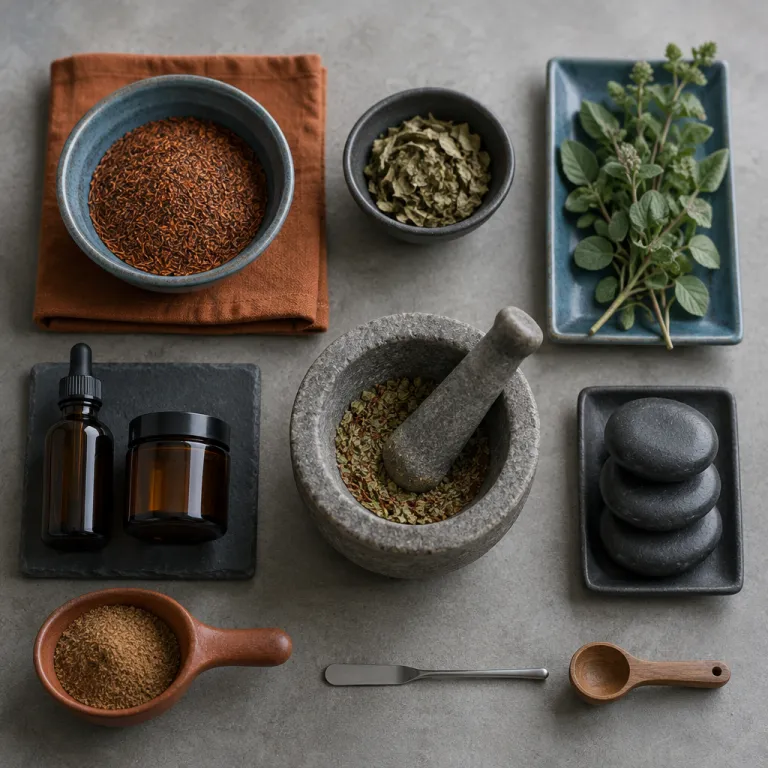
South African botanical spa treatment as a new kind of luxury
South African botanical spa treatment has shifted from trend to quiet revolution. Across south africa, luxury properties are replacing anonymous global brands with african botanicals that root every ritual in place. For a solo traveler, that means spa wellness experiences that feel specific to this land rather than copied from somewhere else.
At leading african spa destinations in the Cape Winelands and along the Garden Route, therapists now build therapy sequences around rooibos, buchu, honeybush and marula oil. These ingredients are not marketing garnish ; they are plant based powerhouses with measurable healing properties drawn from africa’s most diverse floral kingdom. When a therapist massages kalahari melon oil into dry skin, you feel the desert earth and its resilience translated into body care.
This move towards indigenous products is also a move towards holistic wellness that respects both body and landscape. A south african botanical spa treatment typically combines exfoliation, massage and skin therapy with guided breathing or quiet reflection, creating holistic well practices that go beyond surface beauty. The result is luxury skincare that feels less like a status symbol and more like a grounded conversation with nature.
For hotels listed on mysouthafricastay.com, this shift is now a marker of true luxury rather than an optional extra. Properties that curate a coherent range of products based on african botanicals signal that wellness is part of their core identity, not an afterthought. When you browse a range products menu and see rooibos wraps, buchu compresses and marula body rituals, you are looking at a south african spa wellness philosophy written in ingredients.
The fynbos pharmacy on your treatment table
The Cape Floral Kingdom is often described as a natural pharmacy, and a serious south african botanical spa treatment makes that visible on your treatment table. Rooibos, grown in the Cederberg north of Cape Town, brings anti inflammatory properties that calm sensitive skin and support long term skin health. When infused into warm compresses or used in a body scrub, rooibos based products enhance circulation while remaining gentle enough for reactive complexions.
Buchu, a small aromatic shrub, has been used in ancient african healing traditions by Khoisan communities for generations. In a modern african spa, buchu appears in detoxifying foot soaks, compresses and inhalation bowls, where its distinctive scent clears the head and supports the body’s own cleansing processes. Honeybush, a cousin of rooibos, adds antioxidant strength to luxury skincare masks that aim for a radiant complexion without aggressive actives.
Marula oil, pressed from the fruit of trees found across southern africa, is a hero for dry skin that struggles with long haul flights and strong sun. Its rich yet fast absorbing texture makes it ideal for body care rituals that leave the skin satin smooth rather than oily. When combined with kalahari melon seed oil, another desert adapted ingredient, marula creates a deeply hydrating body product that feels both indulgent and efficient.
Cape chamomile, with its soft apple like scent, often anchors the earth signature of a treatment, bringing emotional calm to balance the more energising african botanicals. Many south african spa wellness menus now offer a dedicated range of plant based options built around these ingredients, allowing guests to choose a single focused therapy or a full day programme. As you move through scrubs, wraps and massages, you start to understand how carefully chosen products enhance not only skin texture but also your sense of place in south africa.
From imported labels to african botanicals with a sense of place
Luxury hotels in south africa once leaned heavily on European and Asian skincare brand names to signal sophistication. That era is fading as owners realise that a south african botanical spa treatment can deliver equal luxury while telling a more authentic story. The best properties now curate a tight range of products formulated in africa, often within a few hundred kilometres of the lodge or city hotel.
This shift is partly practical, as local brands offer better supply chain control and a lower carbon footprint than imported product lines shipped across oceans. When a spa director can drive to a nearby lab, test a new plant based body balm and adjust the formula within weeks, the entire range products offering stays fresher and more responsive. For guests, that agility translates into skincare and body care that actually suits the local climate, from the dry air of the Karoo to the humidity of KwaZulu Natal.
There is also a strong emotional logic to choosing african botanicals over anonymous global blends. A solo traveler booking a stay wants wellness experiences that feel rooted in africa rather than interchangeable with Bali or the Alps. When your therapist explains that the kalahari melon oil in your massage was sourced from community projects in the Northern Cape, the therapy becomes a narrative about south, earth and people, not just about beauty.
Families are noticing the difference too, especially at properties where spa wellness is integrated into multigenerational stays. If you are planning a trip with younger relatives, look for spa lodges that welcome families and offer gentle african spa rituals tailored for different ages. These places tend to work with local skincare brand partners who can formulate milder products enhance comfort for sensitive skin while still using african botanicals.
How to read a spa menu like an insider
When you scan a spa menu on a booking site, pay attention to how often specific plants are named. A serious south african botanical spa treatment will reference rooibos, buchu, marula or kalahari melon clearly, often explaining their properties in a short note. Generic phrases like “herbal blend” or “african inspired oils” usually signal a weaker connection to actual african botanicals.
Look for details about whether the products are locally based and whether the spa partners with a named skincare brand from south africa. If the menu mentions a full range of plant based body care and facial products, you are likely dealing with a property that has invested in a coherent wellness philosophy. When in doubt, email the hotel and ask which brand they use and whether their products enhance both skin health and community livelihoods.
Another insider cue is the presence of signature rituals that combine several indigenous ingredients into one extended therapy. A treatment that layers a rooibos salt scrub, a buchu compress and a marula oil massage shows that the spa team understands how these elements work together for holistic wellness. For a solo explorer, choosing such a therapy is often the most efficient way to experience the full earth signature of a region in a single session.
Ancient african knowledge, modern ethics
Behind every south african botanical spa treatment lies a deeper story about knowledge, ownership and respect. Many of the african botanicals now celebrated on luxury spa menus were first used by Khoisan communities, whose ancient african healing practices mapped the medicinal properties of plants long before laboratories existed. As these ingredients move into commercial products, questions of intellectual property and benefit sharing become impossible to ignore.
Responsible hotels in south africa are starting to interrogate their supply chains, asking whether the skincare brand they choose works with ethical sourcing frameworks. Some partner with companies that follow guidelines from the South African Biodiversity Institute and the Nagoya Protocol, ensuring that communities who hold traditional knowledge receive a fair share of the value created. For a guest, this means your chosen body product or facial serum is not only good for your skin but also aligned with a broader sense of holistic well being.
Ethical sourcing also affects the quality of the final range of products on your treatment trolley. Plants harvested at the right time, in the right way, tend to deliver more consistent active properties, which translates into more reliable results for dry skin, stressed skin or sun damaged skin. When a therapist applies a plant based mask rich in rooibos and honeybush antioxidants, you are benefiting from a chain of decisions that began far from the spa, in the fields and communities of south africa.
For travelers interested in more clinical approaches, a new generation of retreats is blending indigenous ingredients with medical grade protocols. Some of these are profiled in mysouthafricastay.com’s guide to medical wellness meets the wild, where dermatologists and nutritionists work alongside therapists. In these settings, a south african botanical spa treatment might sit next to IV therapy or diagnostic testing, yet the earth signature of rooibos, buchu and marula still anchors the experience in africa.
Respectful storytelling in the treatment room
What you hear during a treatment matters as much as what touches your skin. Skilled therapists in south african spa wellness spaces are trained to explain the origin of each product without romanticising or erasing the people who first used these plants. When they speak about ancient african uses of buchu for cleansing or marula for body care, they frame it as living knowledge rather than folklore.
As a guest, you can gently ask how the spa sources its african botanicals and whether any community partnerships are in place. A confident answer usually signals that the hotel has done the work to align its luxury skincare offering with ethical practice. If the response is vague, you have useful data about how seriously the property takes holistic wellness beyond the marketing language.
This kind of transparent conversation builds trust and deepens the sense that your south african botanical spa treatment is part of a larger ecosystem. You are no longer just a traveler passing through but a temporary participant in a network that links earth, plant, therapist and community. That awareness can be as healing as the therapy itself.
What the solo traveler actually feels, smells and sees
On the table, a south african botanical spa treatment feels different from the polished neutrality of many international spas. The first thing you notice is scent, as rooibos and honeybush steam up from a warm compress with a soft, tea like aroma rather than synthetic perfume. Then comes texture, as kalahari melon and marula oils glide over the body with a weight that speaks of real plant based lipids, not lightweight silicone.
Visual cues matter too, especially for a solo traveler who tends to notice details. Scrubs made with african botanicals often retain the natural colours of the plants, from the deep russet of rooibos to the pale green flecks of buchu leaves. Masks and body wraps may look less uniform than their European counterparts, but that slight irregularity is part of the earth signature that signals minimal processing.
During a well designed therapy, the therapist will often layer sensations to create a narrative arc. A brisk rooibos salt exfoliation wakes the skin, followed by a warm buchu compress that settles the nervous system, then a slow marula oil massage that anchors you back into your body. By the time you sit up, the combination of scent, touch and temperature has delivered a form of holistic wellness that feels tailored to both your skin and your state of mind.
Outside the treatment room, the best hotels extend this sensory language into their wider wellness offering. You might find a small range of products in your room, from a plant based hand cream to a gentle african spa shower gel, all using the same african botanicals as the spa. This continuity helps products enhance the overall sense of place, turning your entire stay in south africa into a quiet, ongoing therapy.
Reading your skin after the treatment
Results from a south african botanical spa treatment tend to be subtle but cumulative. Immediately after a session, most guests report softer skin, reduced tightness and a more radiant complexion, especially when treatments target dry skin with rich body care oils. Over several days, antioxidants from rooibos and honeybush support the skin’s own repair processes, which is particularly useful after long drives, flights or time in the bush.
Pay attention to how your skin behaves in the following 48 hours. If a plant based product has been well formulated, you should not experience heavy residue, clogged pores or irritation, even if your skin is sensitive. Instead, you may notice that your usual moisturiser absorbs more easily, suggesting that the spa wellness ritual has helped reset your skin barrier.
For solo travelers who move quickly between destinations, this kind of gentle, accumulative care is more sustainable than aggressive peels or invasive procedures. You leave with skin that feels supported rather than shocked, and with a clearer sense of which african botanicals your skin responds to best. That knowledge can guide future bookings and product choices long after you have left south africa.
Choosing hotels where the botanical story is real
On a booking platform like mysouthafricastay.com, the challenge is not finding a spa but finding one where the south african botanical spa treatment offering is genuinely integrated. Start by reading how the property describes its wellness philosophy ; specific references to african botanicals, local sourcing and plant based formulations are strong signals. Vague mentions of “natural products” without naming a single ingredient usually indicate a thinner story.
Next, look for evidence of a coherent range of products rather than a scattered list of treatments. Properties that take spa wellness seriously often highlight their chosen skincare brand, explain why it suits south africa’s climate and describe how its products enhance both skin health and guest experience. If the hotel mentions an earth signature ritual or a dedicated african spa menu, you are likely dealing with a place where wellness is part of the core identity.
Reviews can also reveal whether the botanical narrative holds up in practice. Guests who mention the scent of rooibos in the steam room, the feel of kalahari melon oil on dry skin or the way therapists explained ancient african uses of certain plants are giving you concrete data. When multiple travelers describe similar details, you can trust that the south african botanical spa treatment is more than a brochure phrase.
For those traveling with young children or extended family, it is worth cross checking spa credentials with how the property handles younger guests. Mysouthafricastay.com’s guide to South African hotels that genuinely welcome toddlers is a useful companion, as truly guest focused properties tend to align their spa, family and food offerings. A hotel that respects different needs across ages is more likely to design inclusive, thoughtful wellness experiences.
Questions to ask before you book
Before confirming a reservation, send a short email to the hotel with a few targeted questions. Ask which skincare brand they use in the spa, whether the products are based on african botanicals and if any treatments feature rooibos, buchu, honeybush, marula or kalahari melon. A detailed reply that lists specific therapies and explains their properties is a strong indicator of a serious spa wellness programme.
You can also enquire about any signature earth signature rituals or holistic wellness packages designed for solo travelers. Some properties offer multi day programmes that combine body care, guided movement and quiet time in nature, using a consistent range of plant based products throughout. These packages often deliver deeper results than one off treatments, especially if you are using your trip to reset after a demanding period.
Finally, ask whether any of the spa’s range products are available for purchase in travel sizes. Taking home a small body product or facial oil that you have already tested on your own skin is more meaningful than buying an unfamiliar luxury skincare item at an airport. It extends the benefits of your south african botanical spa treatment into your daily routine and keeps the memory of africa’s earth and nature close.
Building a botanical wellness itinerary across south africa
Planning a trip around south african botanical spa treatment experiences can be a rewarding way to structure a solo journey. You might start in Cape Town, where city hotels pair african spa rituals with views of Table Mountain and easy access to the Atlantic. From there, a short drive takes you into the Winelands, where estates weave plant based wellness into vineyard life with rooibos infused baths and marula oil massages overlooking the vines.
Further north, safari lodges in reserves bordering Kruger National Park offer a different earth signature, shaped by bushveld scents and big sky silence. Here, treatments often use african botanicals that thrive in hotter, drier climates, with kalahari melon and marula oils playing a central role in body care for sun exposed skin. Evening therapies timed with sunset can feel particularly powerful, as the sounds of africa’s wildlife filter into the treatment room.
On the east coast, KwaZulu Natal’s subtropical climate supports a distinct range of plants that appear in spa menus alongside the now familiar rooibos and buchu. Coastal retreats may combine african spa rituals with ocean facing yoga decks, creating holistic wellness days that move between saltwater, plant based treatments and quiet rest. For a solo traveler, this variety across regions keeps wellness from becoming repetitive while maintaining a consistent thread of african botanicals.
As you move between destinations, pay attention to how each property interprets the idea of luxury. Some lean into high gloss beauty with sleek design and extensive luxury skincare retail areas, while others express luxury through silence, space and a restrained range of products. Both can deliver excellent south african botanical spa treatment experiences if the connection to earth, nature and local communities remains clear.
Keeping your wellness grounded, not performative
It is easy for wellness travel to slide into performance, especially in the age of social media. One way to keep your south african botanical spa treatment journey grounded is to focus on how your body and skin feel rather than how the spaces look on camera. Notice whether your dry skin improves, whether your sleep deepens and whether your nervous system feels calmer after a few days of plant based care.
Another anchor is to stay curious about the stories behind the products you encounter. Ask therapists about the properties of each ingredient, how it is harvested and why it suits the local climate in south africa. This turns each treatment into a small lesson in african botanicals and helps you distinguish between marketing language and genuine knowledge.
Finally, remember that holistic wellness is not a fixed state but an ongoing relationship with your own body and with the places you move through. The best south african spa wellness experiences leave you with simple practices you can continue at home, whether that is a nightly marula oil body massage or a weekly rooibos bath. In that sense, the most valuable range of products you take away may be the habits, not the bottles.
Key figures shaping south africa’s botanical spa landscape
- South Africa is home to the Cape Floral Kingdom, which contains over 9 000 plant species in an area of roughly 90 000 square kilometres, making it one of the most biodiverse regions on earth (South African National Biodiversity Institute).
- Rooibos cultivation in south africa covers approximately 60 000 hectares, with a significant portion of the harvest now directed towards value added products such as skincare and spa treatments (Rooibos Council of South Africa).
- Marula trees occur naturally across an estimated 29 million hectares in southern africa, providing a substantial potential resource for body care and luxury skincare oils when harvested sustainably (Food and Agriculture Organization).
- Global demand for natural and plant based cosmetics has been growing at around 5–6 percent annually, encouraging south african spa wellness operators to invest in african botanicals and locally based skincare brand partnerships (Allied Market Research).
- South Africa hosts more than 100 registered commercial producers of indigenous plant ingredients, many of which supply spa and wellness products that appear on high end menus and in international destination deluxe style awards lists (South African Department of Trade, Industry and Competition).
FAQ about south african botanical spa treatment
What makes a south african botanical spa treatment different from a regular spa treatment ?
A south african botanical spa treatment centres on indigenous plants such as rooibos, buchu, honeybush, marula and kalahari melon rather than generic essential oils. These african botanicals are chosen for their specific properties, from anti inflammatory support to deep hydration for dry skin. The treatments also aim to connect guests with the local earth and culture, creating a stronger sense of place than standard international spa menus.
Are products used in these treatments suitable for sensitive or dry skin ?
Many of the plant based products used in south african spa wellness rituals are formulated with sensitive and dry skin in mind. Oils like marula and kalahari melon provide rich yet easily absorbed moisture, while rooibos and honeybush offer antioxidant support without harsh acids. As always, guests with very reactive skin should ask therapists to patch test any new product before a full therapy.
How can I tell if a hotel’s use of african botanicals is genuine and not just marketing ?
Genuine programmes name specific plants, explain their properties and often highlight a particular skincare brand from south africa. Look for detailed treatment descriptions, mention of ethical or community based sourcing and a coherent range of products across both spa and in room amenities. If staff can confidently answer questions about ingredients and sourcing, the botanical story is more likely to be real.
Can I buy the same products used in my treatments to take home ?
Most high end african spa properties sell a curated selection of the range products used in their treatments, often in travel friendly sizes. These might include body oils, facial serums or bath soaks based on rooibos, marula or other african botanicals. Buying directly from the hotel or its chosen skincare brand ensures you get the exact product that worked on your skin during the treatment.
Is it possible to build a full wellness itinerary around botanical treatments in south africa ?
Yes, many travelers now design itineraries that link city hotels, Winelands estates and safari lodges with strong south african botanical spa treatment offerings. By choosing properties that prioritise plant based wellness and african botanicals, you can experience different regional earth signatures while maintaining a consistent focus on skin and body care. Booking through a specialist platform like mysouthafricastay.com helps you compare spa wellness programmes and select properties that match your preferred style of holistic wellness.