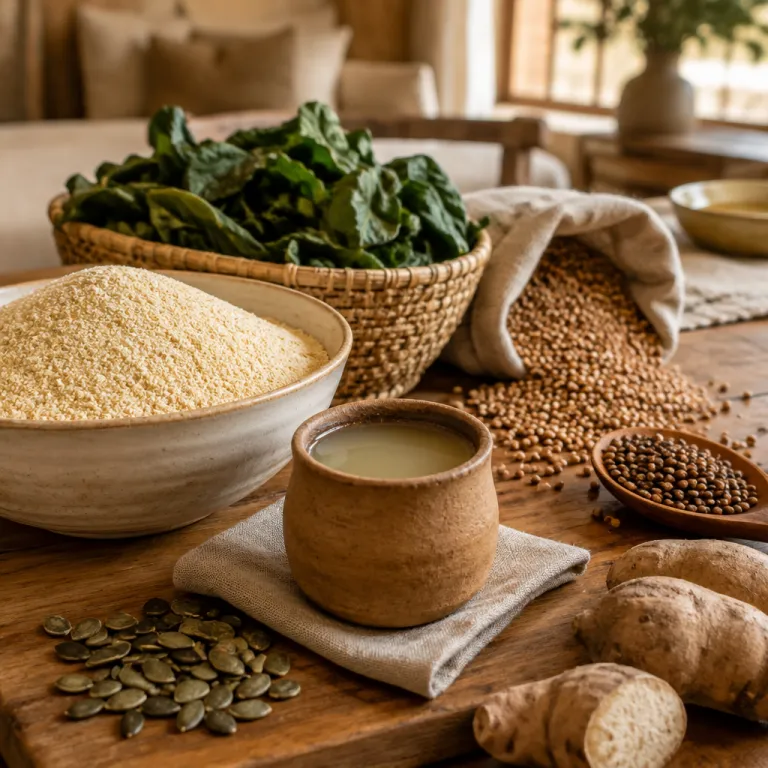
From umqombothi to morogo: the new language of lodge dining
Across south Africa, lodge kitchens are quietly rewriting the script of luxury dining. At the most interesting indigenous south African cuisine fine dining lodge properties, chefs are moving ancestral food into the heart of the experience, not leaving it as a themed night on the terrace. This shift feels deliberate and confident, shaped by south African cooks who trained abroad yet now choose to cook food that could only belong to this part of Africa.
Instead of defaulting to French sauces, you now see slow cooked sorghum, grilled amadumbe and wild morogo sharing space with rare game on tasting menus. A thoughtful indigenous south African cuisine fine dining lodge will pour umqombothi in elegant stemware, pairing it with cured venison and dried fruit, then follow with river fish scented by smoke from a traditional three legged pot. The result is dining that feels rooted in the bush and the town simultaneously, where every meal tells a story about land, memory and south African identity.
For couples who travel to eat, this matters more than another generic luxury restaurant with imported truffles. When you book a lodge in a private game reserve or along the garden route, ask how often the chef works with traditional African ingredients and whether African dishes appear across all courses, not only as a token starter. The most compelling indigenous south African cuisine fine dining lodge experiences treat African cuisine as the main narrative, weaving in cape Malay spices, cape Dutch baking techniques and contemporary plating to create something unmistakably south, unmistakably African.
Regions that lead: from cape town to the cape winelands and garden route
The movement toward indigenous menus is not evenly spread across south Africa, and certain regions are clearly ahead. Around cape town, lodge style properties in the city’s fringe neighbourhoods and nearby coastal town enclaves are pushing tasting menus where African food and cape Malay influences sit comfortably beside European technique. In the cape winelands, wine estates with on site lodges are pairing fine dining with cellar tours, turning every meal into a conversation between vineyard, kitchen and the wider African landscape.
Look for restaurants where the chef talks openly about African dishes drawn from childhood, such as umngqusho or chakalaka, and then frames them through a contemporary lens. Some of the most interesting indigenous south African cuisine fine dining lodge experiences now happen at wine country addresses, where a private table might feature slow cooked lamb with sorghum, river herbs and dried fruit, followed by a reimagined bunny chow served as a delicate canapé. If you are planning a drive along the garden route, you will increasingly find lodges that treat African cuisine as a highlight rather than a side note, especially where the bush meets the sea and game from inland farms shares the menu with coastal catch.
For couples who care about context, it is worth reading menus before you book and scanning for more than one token reference to cape Malay or malay cuisine. Properties that host seasonal collaborations, like the vineyard table events highlighted in this guide to Stellenbosch chef collaborations in the winelands, tend to take food south of the equator seriously. These are the places where indigenous ingredients, African food traditions and the expectations of luxury dining are held in equal balance, giving you a reason to eat south of your comfort zone while still feeling utterly indulged.
Inside the kitchen: how lodge chefs work with indigenous ingredients
Step behind the scenes at a serious indigenous south African cuisine fine dining lodge and you will usually find a chef who spends as much time outside as at the pass. Foraging walks for wild herbs, meetings with small scale farmers and visits to nearby town markets are now part of the weekly rhythm in many south African kitchens. This fieldwork shapes menus where African cuisine is not a theme night but the backbone of every service, from breakfast porridge made with sorghum to late night snacks of spiced dried fruit and nuts.
On safari properties in sabi sands or other private game reserve areas, the best teams treat the bush as pantry and inspiration. You might eat slow cooked oxtail enriched with umqombothi, served beside morogo wilted with river garlic, then finish with a dessert that nods to cape Dutch heritage through a malva style pudding reworked with indigenous botanicals. In cape town, some lodges are rewriting their tasting menus entirely, as explored in this feature on table mountain lodge kitchens and evolving tasting menus, where African dishes and cape Malay spice blends now anchor the narrative.
For guests, the most rewarding moments often happen away from the formal restaurant, perhaps at a firelit boma or a private deck overlooking the river. Here, chefs explain why a particular game cut is grilled over acacia, or how a traditional African pot bread differs from cape Dutch loaves, turning each meal into a quiet masterclass. When you evaluate an indigenous south African cuisine fine dining lodge, ask whether you can join a cooking session, taste umqombothi in the kitchen or help prepare a bunny chow reinterpretation, because participation deepens your understanding of both the food and the place.
Reading the menu: spotting genuine indigenous lodge cuisine
Not every property that mentions African dishes on its website is serious about indigenous cooking, and the menu will usually tell you the truth. A thoughtful indigenous south African cuisine fine dining lodge will integrate African food elements across multiple courses, rather than hiding them in a single themed buffet or one token traditional African stew. You should see references to specific ingredients, such as morogo, sorghum, amadumbe or river fish, alongside clear nods to cape Malay and malay cuisine where the region supports those flavours.
Pay attention to how game is handled, because this is where many south African lodges either shine or fall back on clichés. In a kitchen that respects African cuisine, game cuts are often slow cooked or fire grilled with restraint, then paired with seasonal vegetables, dried fruit and grains that reflect local food south traditions, rather than drowned in heavy European style sauces. When a menu lists bunny chow, ask whether it is made with care and context, perhaps served as a refined small plate that honours its Durban street food roots, instead of a novelty item for tourists who only want to eat south African stereotypes.
Service language also matters, especially in a luxury restaurant setting where staff can either deepen or flatten the story. When a server explains the difference between cape Dutch baking and town ship bread, or describes how a particular African cuisine element connects to the surrounding bush or river, you know the training goes beyond memorising dish names. Couples who value authenticity should not hesitate to ask how often menus change, whether the chef spends time in nearby communities and how the lodge balances private dining requests with its commitment to indigenous ingredients.
Planning your stay: pairing safari, spa and serious south African food
For many couples, the ideal trip to south Africa blends safari, wine and serious dining, and the right lodge can knit these threads together. When you search for an indigenous south African cuisine fine dining lodge, start by mapping your route between cape town, the cape winelands, the garden route and key game reserve areas like sabi sands. This lets you build a journey where each stop offers a different expression of African cuisine, from cape Malay influenced seafood in the city to bush suppers built around game and traditional African grains.
Consider how you like to eat on safari days, because the rhythm of game drives and meals can either feel indulgent or overwhelming. Some luxury lodges now offer lighter, more flexible dining, with private tastings of African dishes between drives and later, more elaborate dinners that showcase slow cooked stews, grilled river fish and reimagined bunny chow. If you are travelling with extended family or planning a romantic break that still includes downtime, look at properties that combine serious kitchens with wellness, such as the spa focused lodges highlighted in this guide to family friendly spa lodges where everyone unwinds.
When you book, ask specific questions about how the lodge handles dietary preferences while staying true to African food traditions. A strong kitchen can adapt African dishes for vegetarian or gluten free guests without losing the essence of the cuisine, perhaps by leaning into morogo, pulses, sorghum and dried fruit rather than relying solely on imported substitutes. The most rewarding stays in south Africa are those where the restaurant, the bush and the river feel connected, turning every meal into part of the safari rather than a separate, generic luxury add on.
FAQ
How is lodge dining in south Africa changing for food focused travelers ?
Lodge dining in south Africa is shifting from Eurocentric menus toward indigenous ingredients and techniques that foreground African cuisine. Many chefs now build tasting menus around morogo, sorghum, river fish and game, often using cape Malay and cape Dutch influences as accents rather than the main story. For couples who travel to eat, this means that an indigenous south African cuisine fine dining lodge can now offer meals that feel specific to Africa instead of replicating a generic international restaurant.
Which regions are best for combining safari with serious south African food ?
The strongest combination of safari and ambitious African food currently appears in private reserves such as sabi sands, in parts of the greater Kruger area and in some coastal game reserve properties along the garden route. Around cape town and the cape winelands, you will find lodges and wine estates where fine dining restaurants integrate African dishes and cape Malay flavours into multi course menus. A well planned itinerary can link these regions so that you experience both bush focused cuisine built around game and river produce, and wine country kitchens that explore African cuisine through a vineyard lens.
How can I tell if a lodge is serious about indigenous cuisine before booking ?
Start by reading the sample menus on the lodge website and looking for repeated references to African dishes, indigenous ingredients and traditional African preparations across several courses. Properties that treat African food as central will usually mention specific items such as morogo, sorghum, umqombothi or reworked bunny chow, rather than vague promises of “local flavours”. You can also email the lodge to ask how often menus change, whether the chef works with nearby communities and how they balance private dining requests with their commitment to indigenous south African cuisine.
Are there vegetarian or lighter options within indigenous south African lodge cuisine ?
Yes, many elements of indigenous south African cuisine naturally suit vegetarian or lighter eating, especially grains, pulses, vegetables and wild greens like morogo. At a thoughtful indigenous south African cuisine fine dining lodge, chefs can build full menus around sorghum, beans, seasonal vegetables and dried fruit, using cape Malay spice blends or malay cuisine techniques for depth. When you book, mention your preferences so the restaurant team can plan African dishes that match your dietary needs without diluting the connection to local food traditions.
What role does wine play when pairing with indigenous south African dishes ?
Wine pairings are increasingly important at lodges near the cape winelands and in properties that take fine dining seriously. South African sommeliers are learning how to match local varieties with African cuisine, pairing aromatic whites with cape Malay inspired seafood, structured reds with slow cooked game and even fortified wines with desserts based on cape Dutch recipes and indigenous botanicals. When you stay at a lodge that emphasises African food, ask for pairings that highlight south African producers, because the right glass can frame each dish within the broader landscape of Africa’s wine culture.