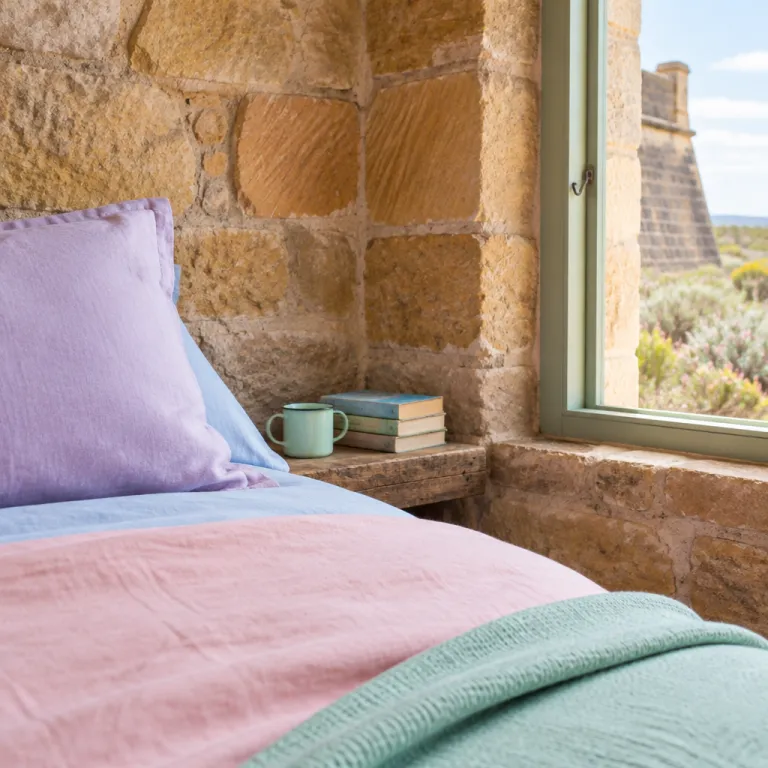
World tourism day in South Africa’s heritage hotels
World Tourism Day in South Africa lands differently when your check in slip carries the weight of a national monument. On this global day for responsible tourism, the conversation about world travel, africa and preservation moves from conference halls into the guest rooms, courtyards and verandas of heritage hotels that quietly fund restoration through every stay. For travellers who balance business and leisure, this is the moment when a world tourism day south africa heritage hotel becomes less a marketing phrase and more a practical way to align travel with values.
The official World Tourism Day celebration that takes place each year is framed around how tourism can support communities, protect cultural sites and sustain local economies. In South Africa, where south africa carries a rich history written into stone, timber and stoep, heritage hotels show how commercial hospitality and conservation of historical sites can share the same balance sheet. When your chosen property is a protected building in a major city or a reimagined farmstead on a safari route, your room rate helps maintain facades, restore woodwork and keep artisans employed in ways that pure public funding rarely manages.
Think of it as a quiet contract between traveller and place, negotiated every day through bookings rather than speeches. You arrive for the world class service, the efficient Wi Fi and the short transfer from the airport, yet you also step into layered history that predates modern tourism by generations. On World Tourism Day, that duality becomes explicit, as heritage hotels host talks on nelson mandela, arrange guided walks to nearby historical sites and invite local communities to share cultural experiences that go far beyond a standard city tour.
The Cape Cadogan model: a city hotel that pays its own preservation bill
Cape Cadogan in Cape Town’s Gardens neighbourhood is the clearest case study of what a world tourism day south africa heritage hotel can be in practice. The property occupies an early 1800s building that has been declared a National Monument, and its careful restoration has helped it earn recognition as a leading city hotel in africa while proving that heritage and profitability can coexist. When Travel + Leisure named Cape Cadogan the No. 1 city hotel in Africa, it validated a model where high standard hospitality underwrites the ongoing conservation of a fragile structure.
Walk through the entrance and you feel how history and contemporary travel have been edited into one narrative. Original fireplaces, high ceilings and sash windows speak of a colonial era city, while layered textiles, curated art and discreet climate control systems meet the expectations of business travellers who will not compromise on comfort. The result is a world class urban retreat where every stay helps fund maintenance that keeps this piece of south africa’s built heritage from sliding into disrepair, and where guests can learn about nelson mandela and the country’s political journey through subtle references rather than didactic displays.
For travellers who care about cultural experiences, this is not just another stop on a world travel itinerary that hops from safari lodge to wine estate. Cape Cadogan’s team curates walking routes that link the hotel to nearby historical sites, galleries and local communities, turning the surrounding city into an open air annex of the property. If you are interested in how architecture, landscape and culture intersect across south africa, read our feature on South African hotels where the art collection is the point before you book, then use World Tourism Day as a prompt to ask how your chosen address supports the stories on its walls.
Beyond the lobby: how heritage hotels extend value into local communities
Heritage hotels in south africa only justify their status if the benefits of tourism extend beyond polished corridors into surrounding communities. On World Tourism Day, many properties use the global spotlight to foreground partnerships with local guides, artisans and historians who turn abstract cultural narratives into lived experiences. When a world tourism day south africa heritage hotel commissions a neighbourhood walking tour or a township art route, it creates work that is measured not only in rand but in pride and intergenerational knowledge.
In Cape Town, Johannesburg and smaller city centres, you will find heritage hotels that collaborate with local historians to design routes linking their front doors to nearby heritage sites and memorials to nelson mandela. Guests can walk from a restored townhouse to a former political meeting place, or from a Victorian landmark to a contemporary gallery that showcases artists from surrounding communities, and in each case the hotel acts as a bridge between world travel and grounded local engagement. These curated experiences often include visits to craft markets where families sell beadwork, textiles and ceramics, turning tourism into a direct investment in cultural continuity rather than a passing day of sightseeing.
Along the coast and in safari regions, the same logic applies, even if the scenery shifts from city streets to fynbos and savannah. Properties that honour Xhosa, Zulu or Sotho heritage often work with elders to shape storytelling evenings, language introductions and visits to ancestral sites, ensuring that guests learn about the land’s rich history before they photograph it. For a deeper look at how coastal lodges integrate heritage and hospitality, explore our piece on Xhosa coastal stays that honour local heritage, then ask your chosen hotel how its own programmes align with the spirit of World Tourism Day.
Balancing authenticity and comfort: choosing your heritage stay
Not every traveller wants creaking floorboards and antique plumbing with their morning espresso, yet the best heritage hotels in south africa prove you do not have to choose between authenticity and comfort. The most thoughtful properties treat modernisation as a series of precise interventions, upgrading climate control, accessibility and safety to a world class standard while leaving original stonework, timber beams and period proportions intact. When you book a world tourism day south africa heritage hotel, ask how recent renovations were handled, and whether they were guided by conservation architects who respect both history and contemporary expectations.
Location matters as much as architecture, especially if you are folding leisure into a business trip. In Cape Town, a heritage stay within a short drive of Table Mountain and the V&A Waterfront lets you move from meetings to mountain trails in a single day, while still sleeping in a building whose walls have witnessed more than one political era. In Johannesburg or Pretoria, a restored mansion close to key historical sites linked to nelson mandela and the anti apartheid struggle can turn a standard corporate itinerary into a compact course in south africa’s rich history, without sacrificing reliable Wi Fi or quiet workspaces.
For those pairing city time with a safari, heritage lodges on private reserves show how conservation of wildlife and architecture can reinforce each other. Some of the most compelling examples are profiled in our feature on South African lodges that disappear into the bush, where design recedes so that landscape and cultural narratives can lead. When your world travel plans next bring you to africa, consider how each booking will either dilute or deepen the stories that World Tourism Day is meant to honour, then choose the property whose heritage feels like a living asset rather than a decorative theme.
FAQ
What makes a South African hotel a true heritage property ?
A true heritage hotel in south africa is usually housed in a legally protected building, often listed as a National Monument or provincial heritage site. The property must retain significant original architectural features while operating to a modern hospitality standard that satisfies contemporary travellers. Crucially, management should have a documented conservation plan that allocates part of the operating budget to ongoing restoration and interpretation of the building’s history.
How does staying in a heritage hotel support local communities ?
When you stay in a heritage property, your room rate helps fund maintenance work that often employs local artisans, carpenters and craftspeople. Many of these hotels also partner with nearby communities to offer guided walks, storytelling evenings and craft markets, creating direct income streams beyond the hotel payroll. Over time, this model turns tourism into a recurring investment in both tangible heritage, such as buildings, and intangible heritage, such as language, music and oral history.
Are heritage hotels suitable for business travellers with tight schedules ?
Heritage hotels in major city centres like Cape Town and Johannesburg increasingly cater to business travellers who need reliable connectivity, quiet work areas and efficient transfers. The best properties combine these practicalities with a strong sense of place, so you can move from meetings to meaningful cultural experiences without losing time in traffic. For executives extending a trip into leisure, this balance often proves more rewarding than a stay in a generic high rise tower.
How should I choose between a heritage city hotel and a safari lodge ?
The choice depends on whether your priority is urban culture or wildlife immersion, but many travellers now combine both within a single itinerary. A heritage city hotel places you close to museums, galleries and political landmarks, while a safari lodge connects you to ecosystems and conservation stories that define much of africa’s global image. If your schedule allows, start in the city to understand the country’s history, then continue to a lodge where landscape and community projects show how tourism supports the future.
Is a heritage hotel more expensive than a standard property ?
Rates at heritage hotels can be higher than at standard mid market properties, largely because conservation work and specialist maintenance add to operating costs. However, many travellers find that the added value of architecture, history and curated local experiences justifies the premium, especially on a short stay. If budget is a concern, look for midweek rates outside peak holiday periods, when heritage properties sometimes offer competitive pricing without reducing their preservation commitments.