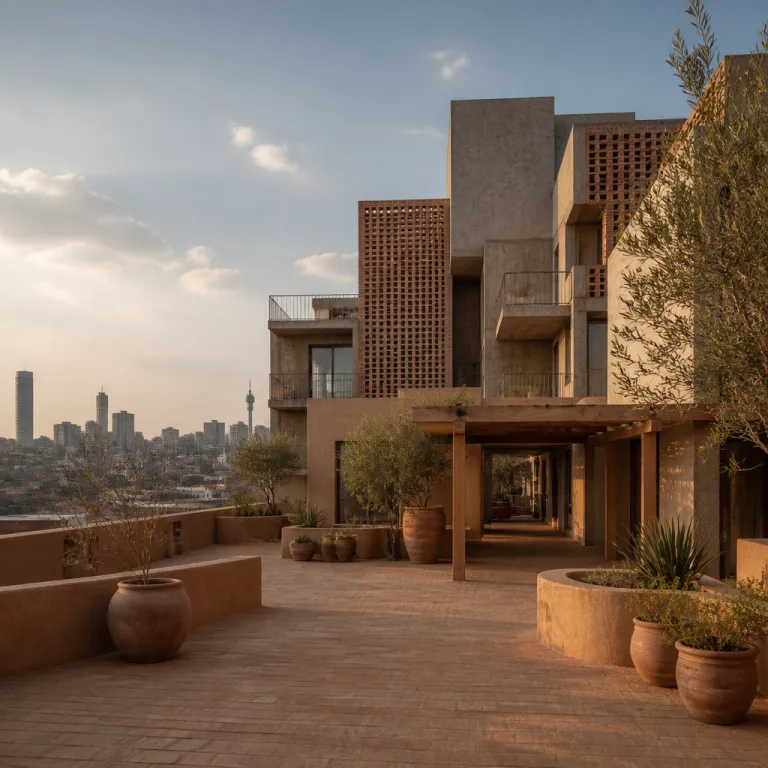
Reading Johannesburg through its hotel architecture
Johannesburg design hotel architecture tells the city’s story in concrete, glass and reclaimed brick. In a single hotel building you can feel mining wealth, apartheid planning and democratic optimism layered into one architectural narrative that guests can literally sleep inside. For business-leisure travellers, choosing a hotel in Johannesburg is less about a bed and more about selecting which chapter of South African urban history you want as your backdrop.
The city’s earliest grand hotel structures around the old CBD echoed European capitals, while later projects in Johannesburg South and Sandton chased corporate scale and polished luxury. Today’s leading luxury hotel developments work harder; they blend contemporary design with local art, natural materials and a more honest reading of Africa’s largest inland metropolis. Architects use adaptive reuse, rainwater harvesting, solar power and generous public space to turn each site into a small urban intervention that speaks to its neighbourhood rather than hiding from it.
Johannesburg’s design hotels now range from restored mansions in Rosebank to industrial conversions near Maboneng and glass towers in Sandton, each with distinct interior design languages. A hotel that includes bar terraces for sunset cocktails, a spa, gym and flexible spaces including co-working lounges signals a very different city experience from a quiet garden retreat with only thirty hotel rooms. Understanding these contrasts is the key to using Johannesburg design hotel architecture as a practical tool when you book, not just as a pretty image on a screen.
The Park Hyatt mansion and the politics of restoration
Park Hyatt Johannesburg, set in a restored early-20th-century mansion in Rosebank, is a clear example of how Johannesburg design hotel architecture wrestles with history. The property reimagines a 1930s residence that once embodied white suburban privilege as a contemporary luxury hotel filled with curated South African art and botanical motifs. For many guests, the question is whether this architecture and interior design approach softens a difficult past or opens it up to more nuanced conversation.
Architects and interior design teams working on such a restoration must decide what to keep, what to strip and what to overlay with new work. Original structure lines, verandas and timber staircases often remain, while public spaces including the reception area, library and bar are reinterpreted with local textiles, ceramics and commissioned pieces from South African artists. The result is a layered space where a quiet corner for sunset cocktails can sit beneath a ceiling that once hosted colonial-era dinners, now recontextualised by contemporary art from across Africa.
For business travellers, this kind of Rosebank hotel offers a calm, walkable base in the heart of the city, with tree-lined streets and easy access to galleries and restaurants. It also places you inside a live architecture project that reflects how South Africa is re-editing its built heritage, one luxury hotel at a time. As Johannesburg-based architect Heinrich Wolff has argued in interviews about adaptive reuse, “reworking existing buildings allows cities to confront their past while investing in a lower-carbon future.” If you are drawn to properties where landscape and history are inseparable, you may also appreciate how coastal lodges reinterpret tradition, as explored in our feature on landscape as architecture in South Africa’s new generation of lodges.
Maboneng, industrial conversions and the art of adaptive reuse
Head east from Rosebank and Johannesburg design hotel architecture shifts gear in the Maboneng district. Here, former warehouses and light industrial buildings have been turned into intimate hotels and guesthouses, part of a wider regeneration that recast a once neglected site as an arts and hospitality hub. The architecture is rawer; exposed brick, steel beams and concrete floors frame murals, installations and a constant flow of local creatives.
These properties show how a hotel can be a working piece of urban regeneration rather than a sealed luxury bubble. Adaptive reuse keeps the original structure honest, while new interior design layers in warm timber, soft textiles and South African art to humanise the hard edges of the building. Water harvesting systems, natural ventilation strategies and rooftop gardens often form part of the design, turning former factories into sustainable spaces including galleries, co-working areas and compact spa and gym facilities.
For guests, staying in Maboneng is less about polished perfection and more about immersion in contemporary city life. You step out of the reception area straight into street markets, studios and performance venues, with every image you capture telling a different story from the manicured lawns of a suburban grand hotel. This is Johannesburg design hotel architecture as living art project, where the line between hotel rooms, public space and neighbourhood blurs in the best possible way.
Sandton’s glass towers and the corporate face of luxury
In Sandton, Johannesburg design hotel architecture wears a sharper suit. Here, luxury hotel projects rise as glass and steel towers above Africa’s busiest financial district, reflecting both the skyline and the priorities of corporate travellers. The architectural language is internationalist, but subtle South African details in art, materials and landscaping keep these buildings grounded in place.
Properties such as The Michelangelo Hotel on Nelson Mandela Square and The Houghton Hotel on the edge of Sandton show how large-scale developments can still feel personal. Double-height reception area volumes, carefully lit interior design schemes and generous hotel rooms with floor-to-ceiling windows create a sense of space that works well for long stays and back-to-back meetings. Many of these hotels include bar lounges, spa and gym complexes and outdoor decks where sunset cocktails are served with wide views over Johannesburg South and the northern suburbs.
For the business-leisure persona, Sandton’s towers are efficient bases with direct access to conference centres, shopping and Gautrain links to OR Tambo International Airport and Pretoria. The trade-off is that you experience Johannesburg as a vertical, climate-controlled environment, more global financial hub than textured African city. Choosing between Sandton, Rosebank and Maboneng is therefore less about star ratings and more about which face of Johannesburg design hotel architecture best matches your trip’s purpose.
Local studios, art and the wider South African design landscape
Behind every memorable example of Johannesburg design hotel architecture stands a network of South African architects, designers and artisans. Studios such as Daffonchio Architects, Nsika Architecture and SAOTA have shaped landmark projects from The Palazzo Hotel at Montecasino to The Bank in Rosebank and coastal retreats near Cape Town. Their work shows how a hotel can function as both a refined place to sleep and a state-of-the-art gallery for contemporary Africa.
These teams use modern tools such as CAD and 3D modelling to choreograph every space, from the most public reception area to the quietest corner of the spa and gym. They collaborate with local artists, landscape architects and furniture makers to ensure that each image credit on the walls and each crafted chair in the lobby reflects a specific South African story rather than a generic international look. As one design expert notes in the South African Institute of Architects’ journal, “a hotel that foregrounds architecture and interior design becomes a shorthand for the city’s identity.”
For travellers using platforms like mysouthafricastay.com, this means you can read Johannesburg design hotel architecture almost like a guidebook to the country’s creative energy. A stay in Rosebank might connect you to galleries and studios, while a weekend in Cape Town extends the narrative into coastal architecture and wine country estates. To deepen that journey into regional context and heritage, our feature on Xhosa coastal stays and local heritage shows how design thinking travels from the highveld to the Wild Coast.
How to choose your Johannesburg design hotel like an insider
Using Johannesburg design hotel architecture as your decision filter changes how you book. Instead of starting with price alone, begin with the neighbourhood and the type of building that best matches your work rhythm and downtime preferences. Then look closely at how each project handles space, natural light, art and amenities such as spa and gym facilities or rooftop terraces for sunset cocktails.
If you want walkable streets, galleries and a softer residential feel, Rosebank’s mansion conversions and mixed-use buildings such as The Bank offer a strong balance of luxury and locality. Travellers seeking immersion in creative energy and adaptive reuse should focus on Maboneng, where industrial structure lines and bold interior design choices create memorable spaces including studios, bars and small performance venues. Those who prioritise seamless corporate logistics, large meeting rooms and direct access to financial institutions will likely feel most at home in Sandton’s glass towers, where every hotel includes bar lounges, generous hotel rooms and polished service.
Whatever you choose, book well in advance for peak periods and ask the property about any architecture, design or art tours they may offer. Many Johannesburg hotels now curate behind-the-scenes experiences that explain their sustainability strategies, from water-saving systems to collaborations with local artisans. Treat those conversations as part of the stay; they turn a night in a luxury hotel into a deeper reading of Johannesburg, South Africa and the wider African design story.
FAQ
What defines a design focused hotel in Johannesburg ?
In Johannesburg, a design focused hotel is one where architecture and interior design are central to the experience rather than an afterthought. These properties often occupy distinctive buildings, integrate South African art and use natural materials to connect guests with the city’s context. They still offer standard services, but every space feels intentionally crafted.
Are design hotels in Johannesburg more expensive than traditional options ?
Design driven properties in Johannesburg are often positioned as luxury hotel or premium options, so nightly rates can be higher than at standard business hotels. The cost reflects bespoke architecture, curated art collections and amenities such as spa and gym facilities and rooftop bars. Travellers usually find that the added character and sense of place justify the price, especially for shorter business-leisure stays.
How far in advance should I book a design hotel in Johannesburg ?
It is wise to book several weeks ahead, particularly for popular areas such as Rosebank and Sandton or during major events. Many properties have a limited number of unique hotel rooms, so early reservations secure the best layouts and views. Booking in advance also gives you time to request specific architecture or art focused experiences.
Do Johannesburg’s design hotels offer guided tours of their architecture ?
Some Johannesburg hotels with notable architecture now offer informal or scheduled tours that explain their design, art collections and sustainability features. These may be led by in-house teams or by external guides who specialise in South African architecture. When you book, ask the reception area staff whether such experiences are available during your stay.
Are design hotels in Johannesburg suitable for business travellers ?
Many of Johannesburg’s leading design hotels are built with business travellers in mind, especially in Sandton and Rosebank. They combine strong Wi-Fi, meeting rooms and efficient service with inspiring spaces including lounges, terraces and art-filled lobbies. For executives extending work trips into leisure, this blend of function and character can make the city feel both productive and rewarding.