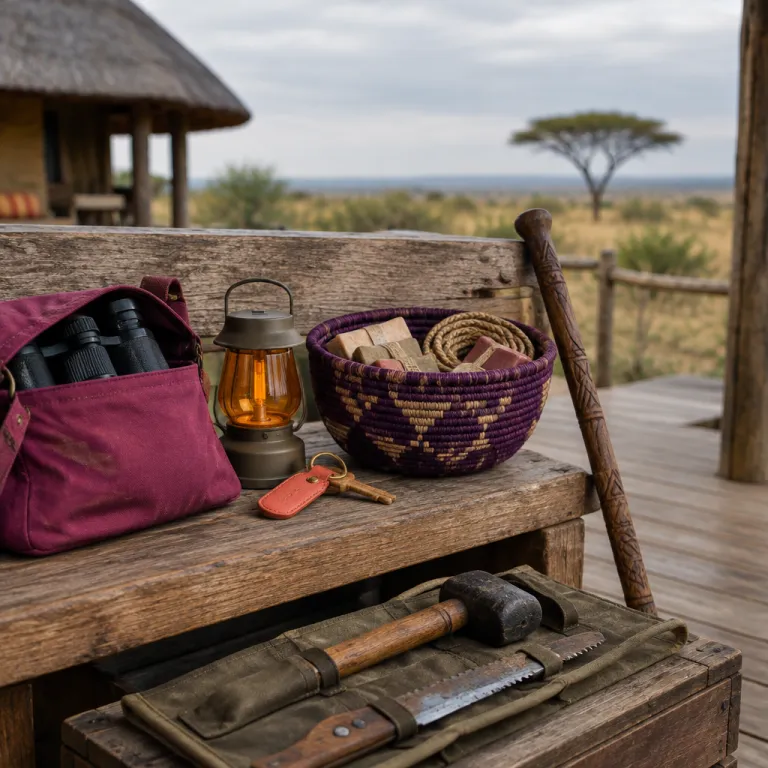
From land claims to keys in hand: how community ownership reshaped the safari lodge
In the african bush of south africa, a quiet revolution is underway. Community land claims, benefit sharing agreements and joint ventures have created a new kind of owned safari property where the lodge is not just in the village, it effectively belongs to it. For the solo traveller comparing a traditional luxury safari with a community owned safari lodge south africa option, the shift is structural rather than cosmetic.
Under these models, african owned and black owned entities hold equity in safari lodges instead of offering only seasonal jobs. The result is that revenue from each africa safari stay flows into local schools, grazing projects and conservation funds before it reaches distant investors, which changes the power balance inside the wider safari industry. When you choose a community owned safari lodge in south africa, you are entering a private game landscape where governance meetings matter as much as game drives.
Across the kruger national region and beyond, land restitution has often returned ancestral territory to communities who then lease it to a private operator. The operator brings capital, training and marketing, while the community brings land, cultural knowledge and a long term view of wildlife stewardship in the game reserve. In the best safari partnerships, both sides sit on the board of the lodge and agree on how to manage wildlife, bush camps, infrastructure and the guest safari experience.
Where to go: flagship community lodges in the african bush
For travellers scanning maps of south africa, zimbabwe and neighbouring countries, the names can blur into one long list of camps and lodges. Look closer and you will find a handful of community owned safari lodge south africa properties that anchor entire landscapes, from the kruger national lowveld to the Kgalagadi dunes. These are places where the african bush feels both intensely wild and quietly inhabited, because the local community is not a distant concept but your host.
In the greater kruger national area, several private game reserves operate on community land under long leases. Here, a luxury safari lodge might sit beside modest bush camps used for ranger training, with shared access to wildlife rich corridors and carefully managed game drives. When a lodge is genuinely community owned, decisions about new suites, a viewing deck or a walking safari trail are taken with local grazing, sacred sites and village water use in mind.
Look north to zimbabwe and you will find somalisa camp in Hwange, often cited in conversations about africa safari conservation and community benefit. While somalisa camp itself is not in south africa, it shows how a camp can work with neighbouring villages on anti poaching patrols, water pans and cultural experiences that feel respectful rather than staged. If you are planning a cross border itinerary that combines a community owned safari lodge in south africa with a stay at somalisa camp, you are effectively supporting a regional network of african owned conservation minded properties, and you can weave this into a broader bush, beach and winelands journey using a safari plus itinerary that links multiple regions through one considered trip on a carefully curated bush and winelands route.
What feels different when the village holds the equity
Arriving at a community owned safari lodge in south africa, the first difference is often the welcome. Staff are usually drawn from nearby villages, and the local language, food and stories shape the entire safari experience rather than appearing as a themed dinner once a week. For a solo explorer, that means your time between game drives can be as rich as the hours spent watching wildlife from the vehicle.
Instead of imported décor and generic menus, you might find an african owned kitchen team serving regional dishes alongside lighter plates for international guests. Evening conversations on the deck can move from the day’s game drive sightings to land rights, grazing rotations and how black owned community trusts decide which projects to fund from lodge dividends. This is luxury, but it is a luxury safari that treats context as carefully as it treats thread count.
On a practical level, community members often lead guided walks, storytelling sessions and visits to local craft cooperatives. You may be invited to a village meeting or a school performance, not as a staged show but as part of everyday life that happens to coincide with your stay at the lodge. For couples planning a romantic africa safari, these properties can be as atmospheric as any private game retreat, and you can still pair them with more classic honeymoon lodges by using a specialist guide to south africa honeymoon safaris such as this curated honeymoon safari overview.
How to tell real partnerships from marketing gloss
Not every property that mentions the word community operates as a true community owned safari lodge in south africa. Some lodges sit on land that was once subject to claims, yet the current agreements offer only a thin revenue share and limited decision making power. As a guest, you can ask precise questions before you book and quickly sense whether the ownership story matches the marketing.
Start by asking who actually owns the land and the lodge buildings, and whether a community trust or black owned entity holds equity in the operating company. Request clarity on how many board seats are reserved for local representatives, and how often those board meetings take place in the village rather than in a distant city. A genuine owned safari partnership will usually publish its governance structure and be comfortable explaining how profits from the safari lodge are allocated between conservation, education and dividends.
Certifications and memberships can help, but they are not a substitute for transparency. Look for properties that share audited impact reports, name their partner communities and detail how many staff have progressed from entry level roles to management within the lodge. When you read about a luxury safari or africa safari operator that references community projects without naming the village, the trust or the specific game reserve, treat that as a prompt to ask more questions about who really benefits from your game drives and your nights in the african bush.
Planning a meaningful solo safari: practical booking guidance
For a solo traveller, choosing a community owned safari lodge in south africa is as much about logistics as it is about ethics. You want the same safety, comfort and seamless transfers you would expect from any high end lodge, but with the added depth of a community anchored safari experience. The good news is that many of these lodges now match the service levels of long established private game brands while offering a more grounded sense of place.
When comparing options, look at how each lodge structures its game drives and walking safaris for solo guests. Some safari lodges charge a single supplement, while others waive it during quieter periods or offer shared bush camps where you can join other independent travellers around the fire. If you prefer a softer landing, consider starting with a night or two in a city hotel before flying into a kruger national or other national park gateway, especially if you are arriving from a long haul africa or europe flight.
Families and solo travellers alike can benefit from properties that genuinely welcome younger guests, because a lodge that handles children well usually has strong guiding, patient staff and flexible dining. For detailed guidance on which south africa properties balance wildlife, safety and play, you can consult a specialist review of hotels that welcome toddlers such as this insider guide to child friendly stays. Whether you end up in a remote bush camp or a more accessible lodge near a national park, the key is to align your expectations about wildlife viewing, cultural immersion and downtime with what the property can realistically offer during your chosen season.
Why this model matters for the future of african wildlife travel
Community owned safari lodge south africa properties are not a niche experiment, they are a blueprint for how the safari industry can evolve. When african owned and black owned trusts hold real stakes in lodges, the incentives to protect wildlife and habitat become long term and intergenerational. A thriving lodge means school fees paid, clinics staffed and grazing plans that keep cattle and game in balance across the african bush.
In landscapes bordering kruger national and other flagship reserves, community partnerships reduce the pressure to convert land to agriculture or mining. Instead, villages can earn from guiding, hospitality and craft while retaining cultural ties to ancestral territory, which makes every game drive and every quiet hour on the deck part of a broader conservation story. Guests who choose these lodges are not sacrificing comfort, they are choosing a form of luxury safari where the view from the pool includes both wildlife and the knowledge that your stay supports local decision making.
Across south africa and neighbouring zimbabwe, the most resilient safari lodges will be those that share risk and reward between operators and communities. Whether you are watching elephants at a waterhole near somalisa camp or tracking lions on a private game concession in south africa, the principle is the same. When the lodge belongs to the village, the future of africa safari travel looks less like extraction and more like partnership, and that is a direction worth backing with your booking.
FAQ
How can I verify that a lodge is genuinely community owned ?
Ask the property to explain who owns the land, who owns the lodge operating company and how profits are shared with local communities. A genuine community owned safari lodge in south africa will usually have a community trust or similar structure holding equity and board representation. If the team cannot answer clearly or avoids specifics, consider choosing another lodge.
Will I still get a high end safari experience at a community owned lodge ?
Many community anchored lodges now offer the same level of comfort, guiding and cuisine as long established private game properties. You can expect well run game drives, knowledgeable rangers and thoughtfully designed rooms, often with strong views of wildlife rich areas. The main difference is that your stay also funds local projects and supports long term conservation.
Are community owned lodges suitable for solo travellers ?
Yes, several community owned safari lodge south africa properties cater well to solo guests with shared vehicles, communal dining and hosted activities. When you enquire, ask about single supplements, transfer options and how they integrate solo travellers into game drives and meals. A good lodge will outline how they ensure both safety and social connection for independent visitors.
How do community owned lodges benefit conservation ?
Because local communities share directly in lodge revenue, they have a financial reason to protect wildlife and habitat. Funds from the lodge often support anti poaching patrols, habitat restoration and environmental education in nearby schools. This alignment of economic benefit and conservation outcomes makes the model more resilient than approaches that exclude local people from decision making.
Can I combine a community owned lodge with other types of stays on one trip ?
Many travellers pair a community owned safari lodge in south africa with time in cities, winelands or coastal regions. You can also combine different safari styles, such as a community partnership lodge in a private game reserve and a more traditional camp inside or near a national park. Working with a specialist platform or advisor helps you balance logistics, budget and the level of immersion you want in each place.