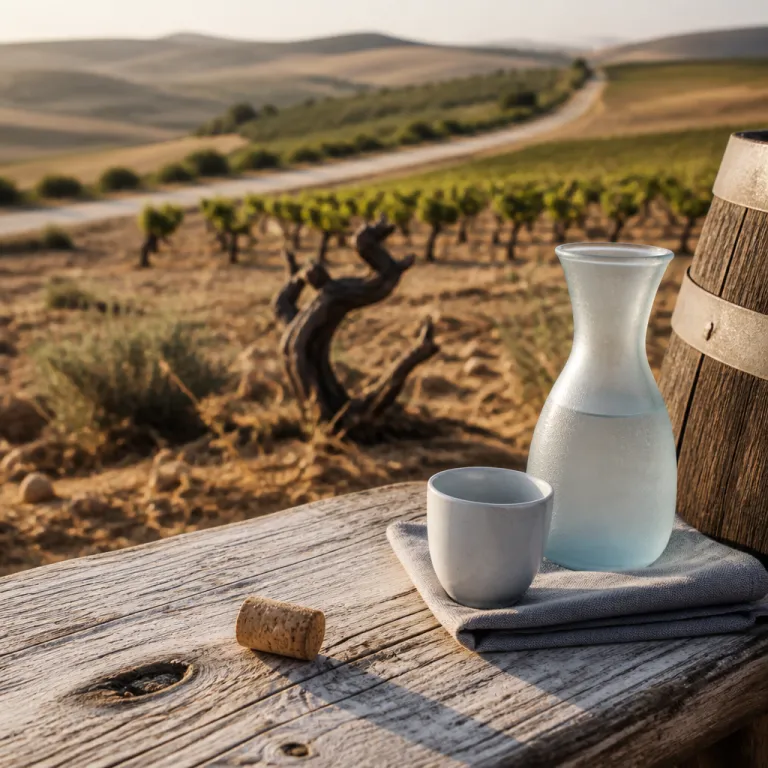
Swartland’s quiet revolution and where to stay between the vines
The phrase “swartland wine route accommodation south africa” signals a traveller ready to look beyond the usual Cape Winelands postcards. This region north of Cape Town rewards that thought with a raw, sun baked landscape, serious wine and a slower rhythm that suits a romantic overnight stay. For a couple used to polished hotels in the south of Africa, the Swartland offers something more elemental yet still wonderfully comfortable.
The swartland itself stretches across wheat fields, granite outcrops and old bush vines that produce some of the country’s most characterful wines. Many wine estates here are working farms first and hospitality venues second, which shapes the guest experience in a good way. You wake to tractors in the distance, not traffic, and your stay feels anchored to a real farm rather than a stage set.
For swartland wine route accommodation in South Africa, focus on three hubs that work well for a self drive couple. Malmesbury is the practical gateway town where a stay in Malmesbury keeps you close to major roads while still surrounded by vineyards. The more romantic options cluster around the Riebeek Valley, where an overnight stay in Riebeek Kasteel or Riebeek West puts you within minutes of several wine estates and intimate hotels.
Riebeek Kasteel has become the unofficial capital of hotels Swartland wide, with a handful of characterful properties around the village square. The Royal Hotel in Riebeek Kasteel is the grande dame, a whitewashed house with deep verandas, a long stoep bar and a pool looking over the valley wine country. Couples who stay in Riebeek Kasteel often comment in their review that the location feels like a film set, yet the atmosphere remains relaxed and unpretentious.
In the broader Riebeek Valley, you will find farm stays where the main house is surrounded by olive groves and vineyards. These guest suites tend to be spacious, with thick walls, cool floors and views that stretch across the Swartland to the distant Cape mountains. For travellers comparing different hotels in South Africa, the value here is strong, especially when you factor in the quality of the wines and the intimacy of the tasting room experiences.
Many couples ask whether to base their stay in Malmesbury or in the Riebeek Valley for a first swartland wine trip. Malmesbury works well if you are arriving late from Cape Town and want a simple overnight stay before exploring the wine estates the next day. The Riebeek Valley suits a longer stay where you can walk from your hotel to cafés, galleries and tasting rooms without getting back into the car.
From Cape Town to Swartland and Elgin: planning a three day route
Most international guests start their journey in Cape Town, which makes it easy to fold the Swartland and Elgin Valley into a three day loop. From the city, you drive north into the western Cape interior for your first stay in the swartland, then arc back through the cool climate farms of Elgin before returning to the coast. This route keeps daily driving under 200 kilometres while giving you three distinct wine personalities.
Leaving Cape Town after breakfast, you reach Malmesbury in under an hour, which is ideal if your flight arrived late the previous night. A short stop in town allows you to orient yourself in the south of the Swartland before continuing to your chosen hotel or farm guest house. Many couples choose a house on a wine estate for their first night, combining a relaxed check in with an afternoon tasting room session and a sunset walk through the vines.
On day two, you can move from your swartland wine base towards the Elgin Valley, which lies on the other side of the Cape Fold mountains. This region is known for Sauvignon Blanc and Pinot Noir, and the wines feel markedly different from the richer Swartland styles. Booking a second overnight stay on a farm in Elgin gives you a sense of how varied wine estates in South Africa can be within a relatively compact area.
For couples who want a deeper focus on vineyard stays, it is worth reading a detailed guide to luxury wine estate stays in the Cape Winelands before finalising bookings. That kind of review driven resource helps you compare hotels, guest houses and farm cottages across the western Cape, not just in the Swartland. It also clarifies which properties are genuinely located on working wine estates and which are simply near vineyards.
On your final day, you can loop back towards Cape Town via the coastal road, perhaps stopping in the Hemel en Aarde Valley near Hermanus for one last tasting. This valley wine region specialises in Pinot Noir and Chardonnay, and many tasting rooms here look out towards the ocean. Ending your trip with a night in a small hotel in Hermanus or back in Cape Town gives you an easy departure while keeping the focus on wine and landscape rather than logistics.
Throughout this three day route, the key is to balance driving time with time spent actually tasting wines and enjoying your hotel. Aim for one main wine estate visit in the morning and one in the afternoon, leaving space for a long lunch and a swim or nap back at your accommodation. Couples who rush from tasting room to tasting room often end up with blurred memories, while those who slow down remember specific wines, conversations and views.
Riebeek Kasteel, Riebeek Valley and the character of Swartland stays
Riebeek Kasteel sits on a gentle rise in the Riebeek Valley, surrounded by vineyards, wheat fields and olive groves. The village has become a favourite for Cape Town couples seeking a weekend stay that feels far from the city yet remains under ninety minutes away. Its mix of heritage houses, contemporary galleries and relaxed restaurants makes it an ideal base for exploring swartland wine estates.
The Royal Hotel in Riebeek Kasteel is often the first name that comes up when travellers research hotels Swartland side. This historic property, sometimes linked in conversation with the older George Hotel in other parts of South Africa, offers deep verandas, a long bar and a pool that looks over the valley wine landscape. Many guests highly recommend booking a room with a view towards the vineyards, as the early morning light over the swartland is particularly beautiful.
Beyond the Royal Hotel, Riebeek Kasteel and the wider Riebeek Valley offer several smaller hotels and guest houses that suit different budgets. Some are located directly on a wine estate, where you can walk from your room to the tasting room in a few minutes. Others sit in the village itself, which gives you easy access to cafés, wine bars and small shops while still keeping the farm and valley views close.
One of the pleasures of a stay in Riebeek Kasteel is the ability to explore on foot. You can start your day with coffee in the square, wander to a nearby tasting room for a late morning wine flight, then stroll back to your hotel for a swim before dinner. This kind of unhurried rhythm suits couples who value atmosphere as much as the technical quality of the wines.
For travellers comparing different swartland wine route accommodation options in South Africa, it helps to think about how you like to move through a day. If you prefer to be on a farm with nothing but vines and sky around you, choose a guest cottage on a wine estate slightly outside the village. If you enjoy a bit of street life, a house or hotel in the heart of Riebeek Kasteel will feel more engaging.
To deepen your understanding of how wine and hospitality intersect in this part of the western Cape, it is worth reading an insider guide to estate stays where the wine list tells the story. That kind of narrative helps you interpret what you taste in the glass against the landscape you see from your room. It also sharpens your sense of which hotels and guest houses are genuinely aligned with the values of the Swartland wine movement.
Elgin, Hemel en Aarde and Tulbagh: cool climate and heritage detours
While the swartland has built its reputation on old vine Chenin Blanc and Mediterranean varieties, the Elgin Valley offers a cooler counterpoint. This high lying basin east of Cape Town is planted to apples, pears and vineyards that favour Sauvignon Blanc and Pinot Noir. For a couple planning a broader western Cape itinerary, combining Swartland and Elgin gives a satisfying contrast in both wines and landscapes.
Elgin’s farm stays tend to be more contemporary in design, with clean lines, large windows and a focus on views over dams and orchards. Many properties here operate as both working farms and guest retreats, which means you can move from a morning walk through apple trees to a late afternoon tasting room session without leaving the estate. The wines themselves feel taut and precise, a good foil to the richer swartland wine styles you will have tasted earlier in your trip.
Further along the coast, the Hemel en Aarde Valley near Hermanus has become one of South Africa’s most talked about regions for Pinot Noir and Chardonnay. Several wine estates here have tasting rooms that look towards the ocean, and during whale season you can sometimes see spouts while you sip. Accommodation ranges from small hotels in Hermanus to guest houses on nearby farms, giving couples the option of a sea facing stay or a quieter inland base.
Tulbagh, by contrast, is an inland town framed by mountains and known for its historic Cape Dutch architecture. Many of the houses along Church Street have been restored, and some now operate as guest accommodation that blends heritage details with modern comfort. Staying in one of these properties after a day of tasting wines in the surrounding valley gives you a strong sense of the Cape’s layered history.
When you weave Elgin, Hemel en Aarde and Tulbagh into a route that already includes the swartland, you start to see how varied wine tourism in South Africa can be. Distances between these regions are manageable, which means you can structure your stay to minimise backtracking and maximise time spent in tasting rooms or by the pool. A well planned loop also allows you to end your trip close to Cape Town for an easy departure.
For couples who want a single resource that ties these regions together, a broader guide to Cape Town, the Winelands and safari stays can be useful. It helps you see how a few days of swartland wine and valley wine exploration can sit alongside time in the bush or on the coast. That kind of context is valuable when you are allocating nights between city, farm and wilderness.
How to choose the right Swartland hotel or farm stay
Selecting the right swartland wine route accommodation in South Africa starts with being honest about how you like to travel. Some couples want a full service hotel with a restaurant, bar and pool, while others prefer a self contained house on a farm. Both options exist in the Swartland, but they deliver very different experiences.
If you lean towards hotels, focus on properties in Malmesbury, Riebeek Kasteel and the surrounding Riebeek Valley. The Royal Hotel remains a strong choice for travellers who appreciate heritage architecture, a lively bar and a central location that works well for exploring nearby wine estates. Other hotels in the area offer more contemporary rooms but still keep you close to tasting rooms, cafés and small shops.
For those who prefer a farm based stay, look for guest cottages or suites located directly on a wine estate. These often come with kitchenettes, fireplaces and terraces that look over vineyards or olive groves, which suits couples who enjoy slow mornings and private sundowners. Being based on a farm also makes it easy to visit the estate’s tasting room at quieter times, when staff can spend more time talking through the wines.
When reading a review of any property in the Swartland, pay attention to how the writer describes the sense of place. Do they mention the quality of light, the views towards the mountains, the way the house sits in the landscape ? Those details matter more here than the thread count of the sheets, because the region’s appeal lies in its combination of raw scenery and thoughtful hospitality.
It is also worth considering how your Swartland stay fits into a larger South Africa itinerary. If you are coming from a high energy few days in Cape Town, a quieter farm stay may be exactly what you need before moving on to a safari lodge or another city. If you are ending your trip in the Swartland, a hotel in Riebeek Kasteel with easy access to restaurants and bars might feel more celebratory.
Finally, remember that many of the best properties in the Swartland are small, which means they book out quickly on popular weekends. Planning ahead allows you to secure the room or house that best matches your style, whether that is a heritage hotel in the village or a contemporary guest suite on a remote farm. The reward is a stay that feels aligned with both the wines you love and the way you like to travel.
Wine tasting etiquette, logistics and making the most of each valley
Wine tasting in the Swartland and its neighbouring valleys is more relaxed than in some of the better known Cape Winelands areas. Many tasting rooms here are small, and you may find yourself speaking directly with the winemaker or a family member. That intimacy is part of the appeal, but it also means a little etiquette goes a long way.
Always book ahead for tastings, especially on weekends or during harvest. This allows the wine estate to manage numbers and ensures you have enough time to talk through the wines without feeling rushed. It also gives you a chance to ask whether food is available on site or whether you should plan a lunch stop elsewhere in the valley.
When planning your day, limit yourself to two or three estates, even if the map makes it look easy to fit in more. The Swartland’s heat and the generosity of pours can make a long day of tasting feel heavy, particularly if you are driving. Sharing tastings, spitting when appropriate and drinking plenty of water will keep your palate fresher and your memories clearer.
Transport is another key consideration, especially for couples who both want to taste freely. In some parts of the western Cape, you can arrange a driver for the day through your hotel or a local service, which is worth the cost for peace of mind. In more remote areas, you may need to plan your route so that one person drives on a given day while the other takes the lead on tasting.
It is also helpful to think about how you will record your impressions of the wines you taste. A simple notebook or notes app on your phone can capture which wine estates you visited, which wines you enjoyed and any bottles you might want to order once you are back home. This small habit turns a pleasant day of tasting into a more structured review of your own preferences.
Finally, remember that the people pouring your wines are often deeply invested in the region and its future. Asking thoughtful questions about farming practices, grape varieties and the challenges of working in the Swartland or neighbouring valleys can lead to richer conversations. Those exchanges often become some of the most memorable parts of a wine focused stay in South Africa.
Linking Swartland stays with broader South African journeys
A few days focused on swartland wine route accommodation in South Africa can sit comfortably within a longer journey that includes city time and safari. Many couples choose to start in Cape Town, move into the western Cape wine regions and then fly north to a reserve in the Kruger area. This sequence allows your palate and your pace to shift gradually from urban energy to vineyard calm and finally to bushveld stillness.
From a logistics perspective, the Swartland’s proximity to Cape Town makes it an easy first or last stop. You can land in the city, spend a night in a central hotel to reset after the flight, then drive north to your chosen farm or village stay. On the way back, you can time your return so that you have one final night in Cape Town before an international departure, which keeps travel stress low.
In terms of mood, the Swartland offers a useful bridge between the polished hospitality of the city and the immersive nature of a safari lodge. The hotels and guest houses here tend to be owner managed, with a level of personal attention that feels closer to a private house than a large resort. That intimacy prepares you well for the more personalised style of hosting you will encounter in many of South Africa’s top wildlife properties.
For travellers who want to understand how wine, design and wilderness can fit into a single South African itinerary, it helps to read widely across specialist travel platforms. Look for guides that treat wine estates, hotels and safari lodges with the same critical eye, rather than simply listing options. Over time, you will start to see which properties share a similar philosophy, whether they are located in the Swartland, the Cape Winelands or the bush.
As you plan, keep returning to the question of how you want each part of your trip to feel. The Swartland can be contemplative, sociable or celebratory, depending on where you stay and how you structure your days. Aligning your accommodation choices with those intentions will make the whole journey through South Africa feel more coherent and satisfying.
In the end, what sets the Swartland and its neighbouring valleys apart is not just the quality of the wines but the way they invite you to slow down. A well chosen hotel or farm stay here becomes more than a place to sleep between tastings. It becomes part of the story you tell about Africa’s southern tip, where wheat fields, vineyards and mountains meet under a wide, changeable sky.
Key figures shaping South African wine travel
- South Africa has over 2 600 wine grape farmers and more than 520 wine cellars open to the public, which gives travellers a broad choice of wine estates across the western Cape (source : South African Wine Industry Information and Systems).
- The Swartland region accounts for roughly 10 % of South Africa’s total vineyard area, yet its wines feature prominently on premium wine lists in Europe and the United States (source : Wines of South Africa).
- Wine tourism contributes an estimated 7 billion rand annually to the South African economy, with the Cape Winelands and surrounding regions attracting more than 1 million wine related visitors each year (source : Western Cape Government, Department of Economic Development and Tourism).
- International arrivals to Cape Town International Airport have grown steadily over the past decade, with a significant share of visitors including at least one overnight stay in a wine region such as Stellenbosch, Franschhoek, Swartland or Elgin (source : Cape Town Air Access and Wesgro).
FAQ about Swartland and lesser known Cape wine routes
How far is the Swartland from Cape Town by car ?
The Swartland’s main gateway town, Malmesbury, is about 65 kilometres north of Cape Town, which usually takes under an hour by car on the N7. Riebeek Kasteel and the Riebeek Valley lie slightly further east, adding around 20 to 30 minutes of driving. Road conditions are generally good, and the route is straightforward for self drive travellers.
How many days should a couple spend in the Swartland ?
For a first visit, two nights in the Swartland works well for most couples. This allows one full day of wine tasting and village exploring, plus relaxed time at your hotel or farm stay. If you are combining the region with Elgin or Hemel en Aarde, three to four nights across all the valleys creates a balanced itinerary.
Do I need to book wine tastings in advance in the Swartland ?
Advance bookings are strongly recommended, especially on weekends, public holidays and during harvest. Many Swartland wine estates are small and prefer to manage guest numbers to keep the experience personal. A quick email or online booking also lets you confirm opening hours, tasting fees and whether food is available.
Is it safe to self drive between Swartland wine estates ?
Self driving between Swartland wine estates is common for visitors and generally safe during daylight hours. Roads are mostly tarred, but some farms require short stretches on gravel, so driving at moderate speeds is sensible. If both partners want to taste freely, arranging a local driver through your hotel or limiting tastings on driving days is a responsible choice.
What types of wine are the Swartland and nearby valleys known for ?
The Swartland is best known for old vine Chenin Blanc, Rhône style blends and Mediterranean varieties such as Grenache and Cinsault. Elgin focuses on cool climate Sauvignon Blanc, Chardonnay and Pinot Noir, while Hemel en Aarde has built a reputation for Burgundy style Pinot Noir and Chardonnay. Tulbagh offers a mix of traditional Cape varieties and modern blends, often with good value for quality.
Sources : Wines of South Africa, South African Wine Industry Information and Systems (SAWIS), Western Cape Government – Department of Economic Development and Tourism.