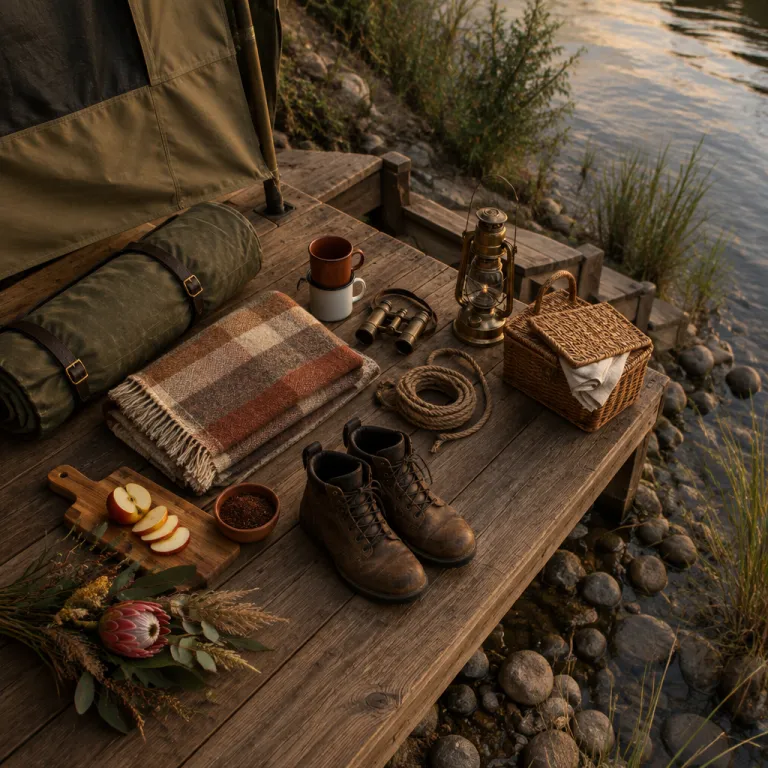
Why riverfront glamping in South Africa feels different from the bush
Riverfront glamping in South Africa changes how you hear the night. The constant hush of the river softens the usual African bush soundtrack of cicadas, distant game calls and the occasional vehicle on a far-off track. For many guests, that mix of water and wilderness turns a simple camp stay into a deeply restorative experience, especially after long days on the road or in busy cities.
At a well-run riverside luxury glamping camp, the tented suites sit on timber decks just above the waterline. Canvas walls mute the outside world while still letting you hear the river and the soft splash of fish or the quiet steps of game coming to drink. This kind of luxury tented design keeps you close to nature without sacrificing proper beds, good linen and a fully equipped bathroom with hot water on demand, often powered by gas or solar geysers.
The appeal is not only the soundscape but also the way light plays on the river at first light and last night. Dawn mist hangs low over the water while the opposite bank glows gold, and you can watch it all from your private deck chair or even from the bed inside your tent. After dark, lanterns along the paths guide each guest back to their tented camp, where the river keeps flowing long after the campfire has burned low and the last stories have been shared.
Compared with a classic safari camp deep in a game reserve, a river lodge or river tented camp often feels more intimate and less performative. You are not racing out at sunrise to tick off the Big Five; instead, you might sit quietly with coffee and watch a kingfisher work the shallows or listen for hippo grunts downstream. For solo travellers, that slower rhythm makes a private camp on the river a compelling alternative to a busier safari lodge with a louder social scene and more structured daily schedule.
The water’s edge: how rivers shape the safari experience
Rivers in South Africa do more than decorate the landscape; they dictate where wildlife moves. In the dry months from June to September, every river becomes a lifeline, and even a modest stream can draw game from far into the African bush. According to South African National Parks seasonal reports, sightings of elephant, buffalo and general plains game increase noticeably along permanent watercourses in winter, and when your glamping tents sit beside that water, the game viewing often comes to you rather than the other way around.
On the Olifants River in Limpopo, some safari lodge decks overlook deep pools where elephants wade in to drink and swim. Camps such as Olifants Rest Camp in Kruger National Park and nearby private Olifants River glamping camps near Kruger typically report peak dry-season sightings from late afternoon into dusk, when animals file down to the river. The same principle applies along the Breede River and Berg River in the Western Cape, where antelope, birdlife and even otters treat the riverbank as a daily thoroughfare, especially in the cooler hours of morning and evening.
Riparian vegetation along these rivers creates a cooler microclimate than the surrounding savanna or fynbos. Tall trees shade the tents, and the air above the water stays a few degrees lower, which matters on a hot South African summer night. This is one reason many travellers now search specifically for river-based glamping and luxury tented river camps rather than generic safari camp stays, particularly in regions that can reach 35°C or more in mid-summer.
Waterfront glamping also adds activities that bush-only camps cannot match. Between game drives in a nearby national park or private game reserve, you might paddle a kayak, cast a line from the bank or float in a small pool carved into the river rock. For a deeper look at how these water-rich landscapes pair with refined safari stays, our guide to elegant tourist destinations in South Africa for a refined safari stay is a useful starting point, especially if you are planning a multi-stop itinerary.
Where to go: key river systems and glamping styles worth the drive
Three river systems stand out for glamping in South Africa if you value both scenery and access. The Olifants in Limpopo, the Breede along the Garden Route hinterland and the Berg on the West Coast each offer a distinct riverfront luxury camping personality. All three can be reached comfortably by road, which suits independent travellers who prefer to self-drive between stays and build their own route.
Along the Olifants, some tented camps sit on high banks with wide mountain views and deep pools below. Here you will often find safari camp style operations that combine guided game drives in nearby reserves with quieter river days, giving guests a balance between classic safari and slow water time. From Johannesburg, the Olifants River region near Kruger is roughly a 5–6 hour drive (about 450–500 km), and properties may not call themselves a safari lodge, yet they often share guiding teams and vehicles with neighbouring game reserve lodges.
The Breede River, winding inland from the Garden Route, is better known for wine farms and weekend houses than for big game. That makes it ideal for glamping guests who want a softer, more pastoral experience with kayaking, fishing and long braai nights under the stars. Canvas and timber tents here tend to be fully equipped for self-catering, with kitchenettes, braai areas and sometimes even a wood-fired hot tub on the deck; typical nightly rates for mid-range Breede River glamping fall in the region of R1,500–R3,000 per tent, depending on season and inclusions.
On the Berg River, west of the Cape Winelands, smaller camps lean into birding, cycling and slow travel. You might stay in a mobile camp style setup that shifts seasonally along the riverbank or in a more permanent river tented camp with a small swimming pool and shaded lawns. From Cape Town, most Berg River camps sit within a 90-minute to two-hour drive (roughly 120–160 km), and for travellers pairing river time with a traditional big game stay, our detailed guide on how to choose and book the right game lodge stay helps you decide which safari lodge to combine with your river escape.
What to expect from a luxury river camp stay
A well-considered South African river glamping retreat borrows the best ideas from both safari lodges and design-forward eco retreats. Expect raised timber platforms, canvas walls, proper insulation and large windows or roll-up panels facing the river. Many tents include en suite bathrooms with indoor showers plus an outdoor shower or bath screened by reeds and trees, and higher-end suites may add private plunge pools or outdoor daybeds.
Inside, the better camps feel closer to a compact lodge suite than to a traditional tent. You will usually find a real bed with quality linen, a small seating area, a fully equipped tea and coffee station and sometimes a wood-burning stove for cool nights. Some Africamps-style properties add kitchenettes, allowing each guest to self-cater while still enjoying hotel-level housekeeping and support, and nightly rates at these semi-serviced glamping sites often start around R1,200–R2,500 per unit.
Outside, the social heart of most river tented camps is the fire pit or boma near the water. Here guests gather before dinner, trade safari stories and listen to the river while staff prepare simple but well-executed meals, often over open flames. A small pool or even a natural rock swimming pool carved beside the river gives you somewhere to cool off between activities, and many camps set up loungers or hammocks so you can read or nap within earshot of the water.
Service at these camps tends to be more relaxed than at a formal safari lodge but still attentive. Guides might double as hosts, pouring drinks at sunset and leading morning walks along the riverbank to read tracks and watch for game. If you are planning a broader itinerary that includes city time, our guide to elegant places to stay in Cape Town pairs well with a few nights at a river lodge or tented camp upcountry, creating a contrast between urban comfort and riverside quiet.
Solo on the river: how to choose the right waterfront glamping camp
For solo travellers, a river-based luxury glamping camp offers a different kind of solitude than a remote bush-only safari camp. The presence of water, the option to paddle or walk along the bank and the gentle social rhythm around the fire pit make it easier to feel part of camp life without being overwhelmed. When you are choosing where to stay, pay close attention to how each property handles single guest bookings and shared activities, and check whether they charge a single supplement on tent rates.
Look for camps that publish clear reviews mentioning solo guests and that offer small group activities rather than only private vehicles. A tented camp with a communal table for dinner and a shared fire area usually feels more welcoming than a lodge where every party eats separately in a private corner. If you prefer more privacy, consider a private camp setup with only a few tents, where staff quickly learn your name and routine and can tailor activity times to your pace.
Safety and logistics matter too, especially if you are driving alone along the Garden Route or into Limpopo. Choose camps with clear directions, good communication and secure parking close to the tents, and ask in advance about late-night arrivals if your flight lands after dark. Many of the best glamping properties will arrange transfers from nearby towns or national park gates if you prefer not to self-drive, and it is worth confirming approximate drive times, fuel stops and road conditions before you set off.
As one solo guest at a Breede River camp put it, “I arrived nervous about being on my own, but by the second night the river sounds and easy conversations around the fire made it feel like travelling with old friends.” Finally, think about how you want to balance river time with classic safari experiences. Some travellers pair three nights at a river lodge with a few nights at a more traditional safari lodge inside a big game reserve, while others use the river stay as their only wildlife stop. Either way, the combination of flowing water, canvas walls and African bush sounds makes a strong case for putting at least one riverfront camp on your South Africa itinerary.
FAQ
Is riverfront glamping in South Africa safe for solo travelers ?
Riverfront glamping in South Africa is generally safe for solo travellers who choose reputable camps and follow standard safari guidelines. Look for properties with good guest reviews, clear safety briefings and staff on site throughout the night. Many camps provide escorts between tents and the main area after dark, and if you are unsure, ask the camp directly about security measures, walking after sunset and transfer options from the nearest town or national park gate.
How many nights should I spend at a river glamping camp ?
Three nights is usually the sweet spot for a river glamping stay in South Africa. The first night lets you settle into the rhythm of the river, the second gives you a full day for activities and the third allows time to simply rest and enjoy the setting. If you are combining the camp with a separate safari lodge in a game reserve, two nights can still work, but anything shorter feels rushed and does not leave much room for weather changes or travel delays.
Can I see big game from a riverfront camp, or do I need game drives ?
Some riverfront camps near major reserves offer excellent game viewing directly from the deck, especially in the dry season when animals come to drink. However, if you want reliable sightings of the Big Five, you should choose a camp that includes guided game drives into a nearby game reserve or national park. Think of the river as a bonus viewing platform rather than your only wildlife source, and use camp checklists or ranger reports to understand what is realistically seen from the riverbank.
What should I pack for a luxury river glamping stay ?
Pack light layers, a warm jacket for cool nights, comfortable walking shoes and a hat for daytime activities on or near the water. A small headlamp, a dry bag for electronics and a swimsuit for the pool or river are also useful. Most luxury tented camps provide toiletries, towels and basic amenities, so you can keep luggage compact, especially if you are moving between several camps or flying on small regional aircraft with strict baggage limits.
How does river glamping compare in price to a traditional safari lodge ?
River glamping camps in South Africa often cost less than top-tier safari lodges inside famous reserves, especially if they are self-catering or located outside national park boundaries. You still get a strong sense of the African bush, but with fewer included game drives and more flexibility in how you spend each day. For many travellers, that trade-off delivers better value while keeping the overall experience firmly in the luxury category, with typical mid-range riverfront glamping stays starting around R1,500–R4,000 per night depending on location and season.