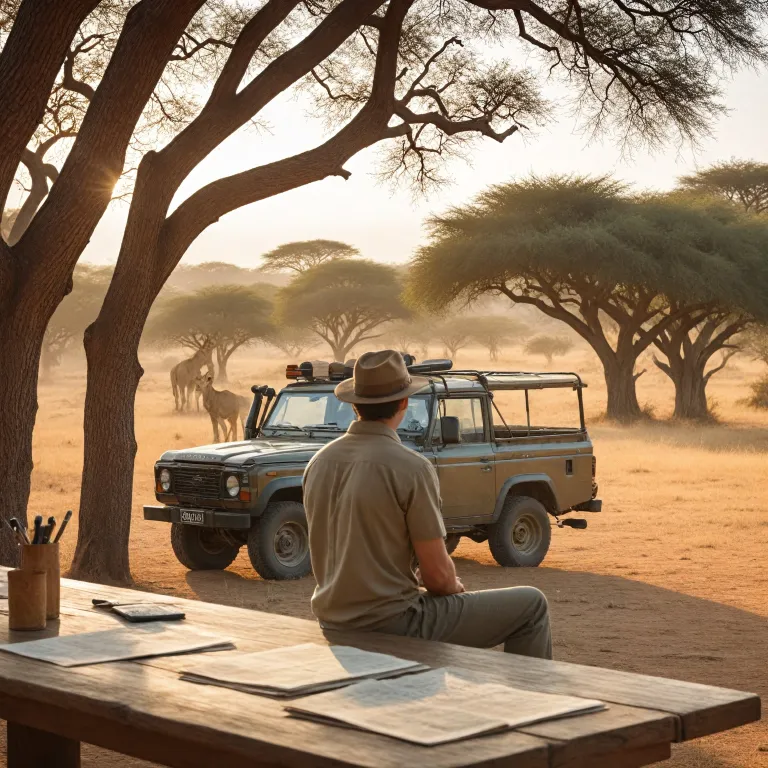
How safari seasons shape luxury travel in South Africa
Choosing the best time to go on safari in South Africa is the first decision that shapes every luxury itinerary. Travelers weighing an africa safari against time on the coast quickly realise that seasons in the south influence both wildlife and hotel availability. Understanding how each season affects game viewing helps you match your preferred style of comfort with the right park, region, and travel month.
Across south africa, the dry winter months from May to september are widely regarded as the best time for consistent wildlife sightings. Vegetation thins out during the dry season, waterholes shrink, and animals concentrate around rivers, which dramatically improves game viewing in every major national park and private game reserve. For guests booking premium suites, this period also coincides with cooler daytime temperatures, averaging around 21 °C in many safari regions, which makes long game drives more comfortable.
Kruger and the wider kruger park ecosystem are the classic choices for a first african safari, especially for travelers focused on the Big Five. The kruger national area offers a mix of public rest camps and exclusive private game lodges, each with different lead times for reservations in peak season. South african National Parks (SANParks) manages the public side of the park, while private game concessions inside and adjacent to the park provide more secluded, high end experiences.
Further south, the western cape and cape town pair beautifully with a safari south itinerary, especially for travelers who want both city and wilderness. Many visitors choose to visit south africa by starting in cape town, enjoying the waterfront, wine estates, and coastal drives before flying to a game reserve in kruger or kwazulu natal. Aligning your time visit with the right season in each region is essential when you want both refined urban stays and exceptional wildlife encounters.
Dry season advantages for wildlife viewing and premium lodges
For many travelers, the best time to go on safari in South Africa aligns directly with the dry winter season. From late autumn through winter, the bushveld around kruger and other national park areas becomes more open, which makes it easier to spot wildlife from your 4x4 during guided game drives. This is also when luxury lodges and premium hotels near key gates experience their highest demand for suites and villas.
During these winter months, game viewing is at its most reliable because animals gather at permanent water sources. Lodges in kruger park, private game reserves in kwazulu natal, and properties bordering kruger national concessions often design their schedules around early morning and late afternoon drives. Guests are encouraged to pack layered clothing, as crisp mornings on an african safari can feel surprisingly cool before the sun warms the plains.
In the western cape, the same winter period brings a different but complementary experience for travelers combining safari south with coastal luxury. Cape town can be cooler and wetter, yet its culinary scene, design forward hotels, and wine estates remain a strong draw for discerning visitors. If you are planning to experience the finest premium suites in cape town, book your luxury stay well ahead for this period, as international and regional travelers converge on the city and surrounding winelands.
Because the dry season is considered the best time for wildlife, it is also when rates at many exclusive properties reach their peak. South african families often travel during school holidays, which further tightens availability in both city hotels and safari lodges. For travelers seeking quieter experiences, targeting the shoulders of the dry season, such as late april or early september, can balance strong wildlife viewing with slightly softer pricing and more room choice.
Green season, summer safaris, and value for luxury seekers
While the dry season is often promoted as the best time to go on safari in South Africa, the lush summer months offer their own compelling advantages. After the first rains, usually from around november, the bush transforms into a vibrant green landscape that feels distinctly african and photogenic. This period is sometimes described as the low season for traditional game viewing, yet it can be a high value window for premium hotel bookings.
In kruger and other national park regions, summer brings higher temperatures, dramatic skies, and an explosion of birdlife. Wildlife is more dispersed because water is widely available, which can make game viewing slightly more challenging for first time visitors. However, experienced africa safari travelers often appreciate the quieter reserves, the presence of newborn animals, and the softer light that defines early morning and late afternoon drives.
For luxury travelers, the summer season can mean more flexible rates and added value at both safari lodges and city hotels. In cape town and the wider western cape, summer is actually peak holiday season, with beaches, rooftop bars, and waterfront promenades drawing visitors from across south africa and abroad. Many guests choose to split their time visit between a coastal stay in cape town and a shorter safari south experience in a private game reserve, balancing urban energy with wilderness calm.
Because school holidays fall within the warmer months, planning ahead remains essential even when you are targeting the so called low season. Families often combine a stay in a national park with time in a resort style property along the coast, which can compress availability in both regions. For travelers focused on value, working with specialist safari tour operators can help you identify specific months when rates ease but the overall experience remains exceptional.
Regional nuances: Kruger, KwaZulu Natal, and the Cape
Choosing the best time to go on safari in South Africa also means understanding how regional climates differ. The kruger area follows a classic pattern of dry winter months and wet summer months, which strongly influences game viewing conditions. In contrast, the western cape around cape town has a Mediterranean style climate, with wetter winters and dry, warm summers that suit coastal exploration.
In kruger national and its surrounding private game reserves, the dry season from May to september remains the benchmark for concentrated wildlife sightings. Travelers who prioritise Big Five encounters and intense game viewing often focus their time visit on this window. Many high end lodges here offer twice daily guided drives, walking safaris, and even mobile apps for real time wildlife tracking, which enhances the overall africa safari experience.
Further south, kwazulu natal offers a different blend of safari south and coastline, with subtropical weather that can make certain months feel more humid. Game reserves in this region, including those near the indian ocean, can be appealing for travelers who want both wildlife and beach time in a single itinerary. Because conditions vary, consulting local experts or safari tour operators helps you match your preferred season, from dry winter to lush summer, with the right reserve.
When combining regions, many visitors choose to visit south africa by starting in cape town, then flying to kruger or kwazulu natal for the safari component. This sequencing allows you to enjoy the culinary and cultural highlights of the western cape, including refined brunch experiences at landmark hotels, before immersing yourself in the bush. For insight into urban luxury pricing, you can review guidance on what to expect from the price of brunch at the Silo restaurant in South Africa, which illustrates how premium city experiences complement time in the wild.
Aligning hotel strategy with safari timing and demand
For travelers using a luxury and premium hotel booking website, the best time to go on safari in South Africa is not only about wildlife, but also about availability and pricing. During the dry season, when game viewing is strongest, suites in kruger park lodges and top tier hotels in cape town and the western cape often sell out months in advance. This is especially true around international holiday periods and local school holidays, when both domestic and overseas demand peaks.
In practice, this means that your time visit should be planned backwards from your preferred properties, particularly if you want specific room categories or private game experiences. Many private game reserves offer exclusive villas, star beds, and dedicated vehicles, which are limited in number and heavily requested during the best time for wildlife viewing. Booking early through a specialist platform allows you to coordinate flights, transfers, and pre or post safari stays in south african cities with greater precision.
Outside the core dry season, luxury travelers can often secure more favourable rates while still enjoying strong africa safari experiences. Late april and early september, for example, can offer a balance of thinning vegetation, comfortable temperatures, and slightly reduced pressure on inventory. In these shoulder months, national park camps and high end lodges may release attractive packages that combine multiple nights in the bush with time in cape town or other urban hubs.
Because safaris are available year round, the role of a curated booking website is to translate complex seasonal patterns into clear options. By presenting transparent information on weather, wildlife expectations, and regional differences, such platforms help guests choose between winter clarity and summer vibrancy. They also support responsible tourism by highlighting operators and properties that invest in conservation, community partnerships, and long term protection of south africa’s wildlife.
Practical planning tips for timing your South African safari
When evaluating the best time to go on safari in South Africa, start by clarifying your priorities. If your main goal is to maximise sightings of the Big Five, then the dry winter months from May to september should anchor your planning. “The best time to see the Big Five is during the dry season from May to September, when animals are more easily spotted due to sparse vegetation and congregate around water sources.”
Travelers who value dramatic landscapes, birdlife, and fewer vehicles on the tracks may prefer the green summer season. During these warmer months, thunderstorms can roll across the african sky, creating atmospheric conditions that photographers love. However, malaria risk can be higher in some low lying areas, so it is wise to consult a healthcare provider, especially if you are visiting kruger or other national park regions.
Regardless of season, plan for early morning and late afternoon game drives, when wildlife is most active and temperatures are more comfortable. Pack layered clothing to adapt to cool dawns and warmer middays, particularly during the dry season when average daytime temperatures hover around 21 °C in many safari regions. Binoculars, neutral coloured clothing, and a small daypack for cameras and water will enhance your overall game viewing experience.
Finally, remember that safaris in south africa are available throughout the year, and each season offers distinct rewards. By aligning your chosen months with your tolerance for heat, your interest in specific species, and your preferred style of accommodation, you can craft a deeply personal africa safari journey. Thoughtful planning, supported by expert advice and a reliable booking platform, ensures that both your time in the bush and your stays in cape town or other cities feel seamless and memorable.
Key safari statistics and expert insights for informed travelers
- Average daytime temperature during the dry season in many safari regions is approximately 21 °C, which supports comfortable game drives and outdoor activities.
- Kruger National Park is home to around 135 mammal species, offering exceptional biodiversity for game viewing across both public areas and adjacent private reserves.
Essential questions about timing a South African safari
What is the best time to see the Big Five in South Africa?
The best time to see the Big Five is during the dry season from May to September, when animals are more easily spotted due to sparse vegetation and congregate around water sources. During these months, water becomes scarce and wildlife gathers at rivers and waterholes, which increases your chances of multiple sightings on a single drive. Cooler temperatures also make early morning and late afternoon excursions more comfortable for guests staying in both national park camps and private game reserves.
Are safaris in South Africa available year round?
Yes, safaris are available year round, but wildlife viewing conditions vary by season. The dry season offers the best visibility, while the wet season features lush landscapes and abundant birdlife. Travelers can therefore choose between peak game viewing in winter or the atmospheric green season in summer, often securing better value on luxury accommodations outside the busiest months.
Is malaria a concern during South African safaris?
Malaria risk is lower during the dry season (May to September) due to fewer mosquitoes, but it's advisable to consult a healthcare provider for appropriate precautions before traveling. Some regions, including parts of kruger and other low lying national park areas, are considered higher risk than the western cape or cape town. Many luxury lodges provide mosquito nets and repellents, yet medical guidance remains essential when planning an africa safari that includes these zones.