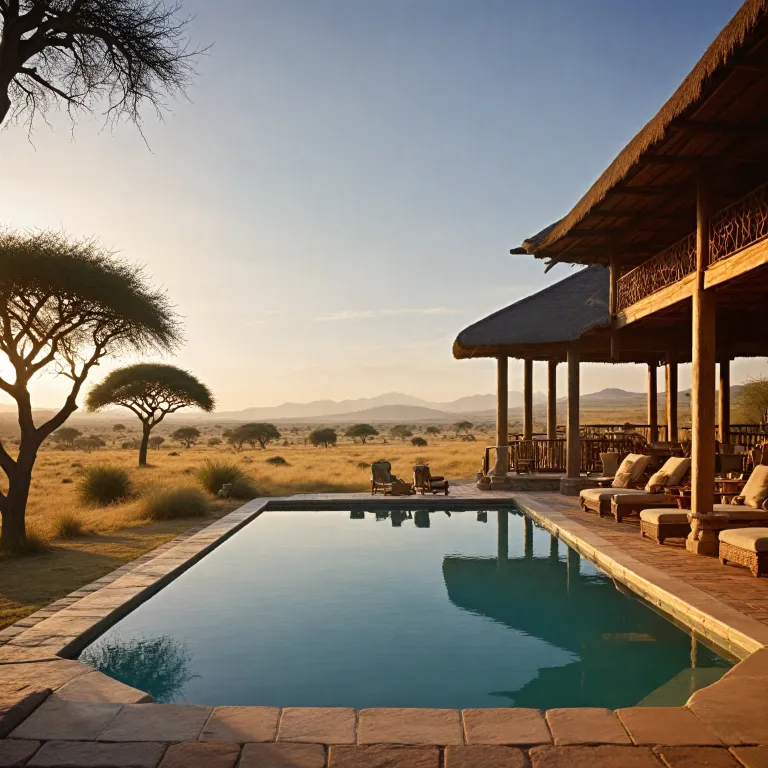
How seasons shape the best time to visit South Africa for safari
Choosing the best time to visit South Africa for safari shapes every detail of your journey. In this vast part of Africa, the rhythm of each season influences wildlife behaviour, luxury lodge availability, and even the ambience in a private game reserve. Understanding how the dry season and the green summer months differ helps you align expectations with reality and secure the level of comfort you want.
For classic africa safari experiences, the dry season from about May to september is widely regarded as the best time for game viewing. Vegetation thins out, water becomes scarce, and animals gather at rivers and waterholes, turning each game drive into a concentrated lesson in south african wildlife. In Kruger and other national park areas, this period offers clear visibility, comfortable daytime temperatures, and fewer insects, which many travellers consider the best balance of comfort and sightings.
However, safari south experiences are genuinely year round, and each month offers distinct advantages for different travellers. During summer, the bush in south africa turns lush and green, birdlife explodes, and newborn animals appear, which can be magical for photographers and families. If you are planning to visit south for both safari and coast relaxation, pairing the dry winter in Kruger National Park with milder conditions in cape town or along the garden route can create a refined multi centre itinerary.
Kruger, private reserves and the nuances of game viewing luxury
Kruger remains the iconic reference point when people ask about the best time to visit South Africa for safari. Within this immense national park, the dry season is still the benchmark for concentrated wildlife sightings, especially around permanent water sources. Many travellers choose to split their days between a main rest camp inside Kruger National and a stay in an adjacent private game reserve for a more exclusive atmosphere.
Private game lodges in areas such as Sabi Sands or Timbavati typically offer fewer vehicles, expert guides, and access to private game viewing areas. This combination allows closer encounters with african animals, flexible drive times, and refined service that suits luxury and premium expectations. For business travellers or guests combining meetings with safari south experiences, premium properties highlighted in guides to South Africa premium business hotels and tailored services can be seamlessly paired with nearby reserves.
While the dry season is often promoted as the best time, low season months on either side can offer attractive rates and fewer visitors. April and september, for example, bring transitional weather, softer light, and slightly greener landscapes without fully losing the advantages of the dry period. Luxury travellers who value tranquillity as much as wildlife density often find these shoulder month stays in africa particularly rewarding.
Balancing cape town, the coast and safari across the year
Many guests planning the best time to visit South Africa for safari also want to include cape town and the surrounding western cape. The climate here differs from Kruger and other africa safari regions, with winter rains and dry, sunny summers along the coast. This contrast means that the best time for game viewing in the north does not always align perfectly with beach friendly conditions in cape town.
During the dry season in Kruger National Park, cape town can experience cooler, wetter weather, yet the city’s food scene, galleries, and wine estates remain compelling. Luxury travellers often accept this seasonal trade off, enjoying crisp days in the city before flying to a warmer private game reserve for their african safari. Alternatively, visiting in late summer allows you to enjoy the coast at its best while still benefiting from increasingly good wildlife sightings as the bush begins to dry.
The garden route and kwazulu natal coast add further nuance to the timing question for south africa. These regions offer milder, more even conditions year round, making them flexible add ons to a safari south itinerary. When you plan your time visit carefully, you can move from the coast to the bush in a few days, aligning each region’s season with your personal preferences for temperature, scenery, and crowd levels.
Weather, comfort and the guest experience in luxury safari lodges
Weather is central to the best time to visit South Africa for safari, especially when you are investing in premium accommodation. In the dry winter months, average daytime temperatures in many game reserve areas sit around the mid twenties in degrees Celsius, which is comfortable for long game drives. Mornings and evenings can be cold, so packing layered clothing is essential for both style and practicality.
Summer brings higher temperatures, dramatic afternoon storms, and lush vegetation across much of south africa. While this can slightly reduce visibility for game viewing, it enhances the sense of being immersed in a vibrant african landscape. Many luxury lodges adapt by offering siestas during the hottest part of the day, extended spa menus, and shaded viewing decks overlooking waterholes where animals still congregate.
From a hospitality perspective, the dry season’s popularity means that the best properties in Kruger, private reserves, and other national park regions often book out months in advance. Guests seeking the finest premium suites in cape town or safari lodges with private plunge pools should secure reservations early in the year round cycle. For a curated overview of high end urban stays that pair well with africa safari itineraries, resources such as experience the finest premium suites in Cape Town can be particularly useful.
Planning days, months and logistics for a seamless african safari
Translating the idea of the best time to visit South Africa for safari into a concrete itinerary requires attention to detail. Most travellers allocate at least three to five days in a game reserve to allow for varied sightings and changing light conditions. Combining Kruger National with a private game lodge stay can extend this to a week, especially if you want to balance intense game viewing with relaxed afternoons.
When you choose your month, consider both wildlife priorities and personal comfort in africa. April and september are excellent for those who prefer moderate temperatures and slightly quieter lodges, while peak dry season months suit guests who want maximum density of animals around water. Low season summer periods can reward photographers with dramatic skies, vibrant greenery, and lower nightly rates at many south african properties.
Logistics also influence the ideal time visit for your africa safari. Domestic flights link cape town, Johannesburg, and regional airports near Kruger and kwazulu natal, but schedules can vary by season. Working with established tour operators, SANParks, and reputable private game reserves ensures that transfers, park regulations, and conservation fees are handled smoothly, allowing you to focus on the wildlife and the refined hospitality that define a premium safari south experience.
Safety, sustainability and expert guidance for safari timing
For many guests, the best time to visit South Africa for safari is also the time when they feel safest and most supported. In practice, safaris in south africa are generally safe when arranged through experienced tour operators and accredited lodges. As one expert note states, "Yes, with proper precautions and guidance from reputable tour operators, safaris in South Africa are generally safe."
Health considerations, including malaria risk in certain africa safari regions, may influence whether you choose the dry season or a particular month. Another expert reminder is clear ; "While the risk is lower in the dry season, it's advisable to consult a healthcare professional for appropriate malaria prophylaxis." Responsible operators will brief you on these issues and ensure that your time visit aligns with both medical advice and your comfort level. Sustainability is also central, with many private game lodges and national park concessions using eco friendly vehicles and supporting local communities.
Understanding what you are likely to see at different times of year helps refine expectations for game viewing. As specialists emphasise, "The Big Five (lion, leopard, elephant, buffalo, rhino) are more easily spotted, along with various antelope species and birds." Aligning this knowledge with your chosen season, whether dry winter or lush summer, allows you to plan an african safari that balances luxury, ethics, and the timeless appeal of south african wildlife.
Key statistics for planning your safari timing
- Average daytime temperature during the dry season in many game reserve regions is around 25 °C, which is comfortable for extended game drives.
- Kruger National Park welcomes approximately 1 500 000 visitors each year, reflecting its status as a flagship africa safari destination.
- Tourism contributes about 8.6 % to South Africa’s GDP, underlining the importance of sustainable safari south travel choices.
Essential questions about the best time to visit South Africa for safari
Is it safe to visit South Africa for a safari?
Yes, with proper precautions and guidance from reputable tour operators, safaris in South Africa are generally safe. Choosing accredited lodges in Kruger National Park, private game reserves, or other national park areas ensures professional guiding and robust safety protocols. Always follow ranger instructions during game viewing and use trusted transfer services between cape town, the coast, and inland africa safari regions.
What wildlife can I expect to see during the dry season?
During the dry season, game viewing conditions in south africa are at their most reliable. The Big Five, along with numerous antelope species, giraffe, and diverse birdlife, concentrate around remaining water sources in Kruger and other game reserve areas. This makes the dry winter months a strong candidate for the best time to visit South Africa for safari if maximising sightings is your priority.
Are malaria precautions necessary during the dry season?
While the risk is lower in the dry season, it's advisable to consult a healthcare professional for appropriate malaria prophylaxis. Certain africa safari regions, including parts of Kruger National and some private game reserves, remain within malaria zones year round. Your doctor can recommend suitable medication and protective measures based on the specific month, length of stay, and areas you plan to visit south for your african safari.