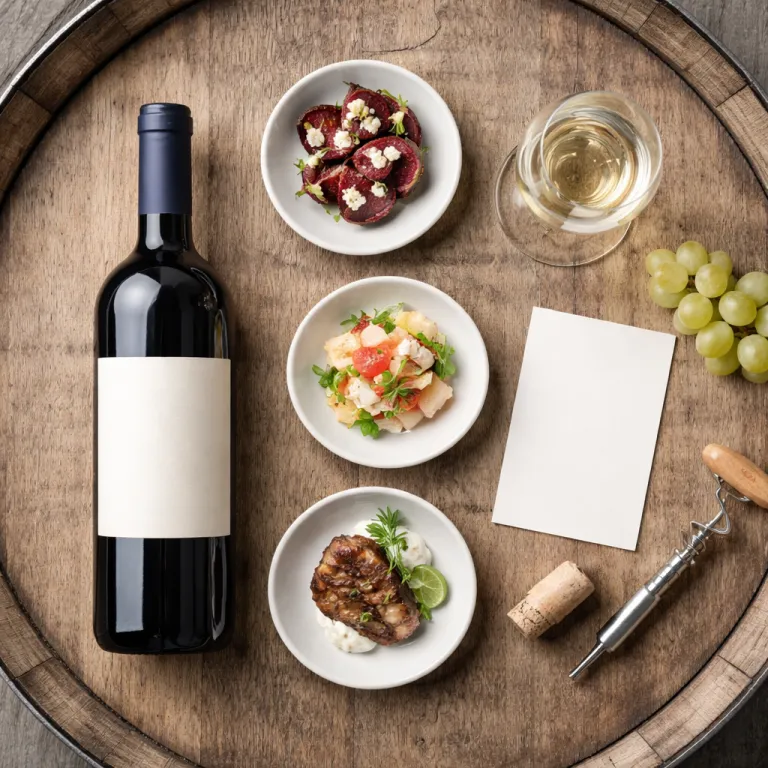
Cape Winelands wine pairing dinners: how Stellenbosch estates turn tasting into theatre
When the glass writes the plate: how real winelands wine pairing dinners work
A serious Cape Winelands wine pairing dinner does not start with food. At leading estates in Stellenbosch and Franschhoek, the most interesting teams now ask which wine, or which range of wines, should lead the story before a single ingredient is ordered. That shift matters for couples booking luxury stays in South Africa, because it separates decorative wine pairings from immersive tasting experiences where you genuinely experience wine as the main narrative.
At properties such as Delaire Graff Estate above Stellenbosch town, the sommelier often proposes a sequence of wines first, then the chef builds a menu around their structure. This sommelier-first approach works especially well when the cellar wants to highlight specific Méthode Cap Classique (MCC) and still wines, from bright sauvignon blanc to structured cabernet sauvignon. Where the chef leads, by contrast, the kitchen designs a seasonal food menu and the sommelier later finds wines that can be paired gracefully with each course, a model you will also see at estates such as Tokara and Hidden Valley.
Neither method is wrong, but they create different kinds of tasting room theatre. A sommelier-led Cape Winelands pairing dinner tends to showcase a single wine estate identity, with tasting arcs that move from Cap Classique to deeper reds in a deliberate rhythm. A chef-led pairing can feel more like fine dining in Cape Town, where the food-and-wine dialogue is flexible and the wine selections sometimes roam beyond the host estate to other South African producers, especially when the kitchen wants to reference benchmark styles from Stellenbosch, Franschhoek or the Swartland.
When you read a hotel’s restaurant description, look for clues about who leads the dance. References to “chef-curated menus” and “sommelier-selected wine pairings” usually indicate that the estate has formalised this collaboration rather than treating pairing as an afterthought. In Stellenbosch alone, where well over a hundred wineries operate across the valley, that clarity helps you choose between a quick lunch with a casual tasting and a long, layered experience that justifies booking a premium suite on site.
Reading the menu: signs your pairing is engineered, not ornamental
Before you commit to a six-course Cape Winelands pairing dinner, study the menu like a sommelier. A serious pairing menu will name specific wines, not just “red” or “white”, and it will often reference the exact wine estate, grape variety and sometimes even the block. When you see details such as “Hidden Valley sauvignon blanc” or “Tokara cabernet sauvignon” listed against individual dishes, you know the food-and-wine relationship has been tested in the tasting room, not improvised at service.
Another tell is how the restaurant talks about flavours and textures. Look for language that explains why a dish is paired with a particular wine, for example a line about how the acidity of a Cap Classique lifts the richness of a seafood course, or how an award-winning cabernet sauvignon echoes the smokiness of Karoo lamb. Menus that simply offer “wine pairings available” without this explanation often treat pairing as an upsell rather than a core part of the dining experience.
Pricing structure also reveals intent, especially in luxury hotels where brunch, lunch and dinner can blur. A thoughtfully engineered Cape Winelands tasting menu will usually offer a fixed price for both food and wines, sometimes with a premium tier for older vintages or rare bottles. As a rough guide, many Stellenbosch wine estate restaurants price a four to six-course pairing dinner from around R900 to R1 600 per person, with flagship or reserve pairings at the upper end of that range.
Finally, consider how the hotel positions its tasting experience across the stay. Some Cape Winelands properties invite guests to begin with an afternoon wine tasting flight in the estate’s tasting room, then continue those wines into the evening pairing menu. Others keep the tasting room and fine dining restaurant separate, which can be appealing if you prefer to experience wine in a quieter space before moving into a more theatrical dining room for the main event.
Where to book: Cape Winelands estates that earn a six course evening
For couples planning a romantic escape, the question is not whether to book a wine-paired dinner in the Winelands, but where the experience truly merits six or eight courses. Around Stellenbosch and Franschhoek, a handful of wine estate restaurants now build their entire evening service around pairings that feel as carefully staged as any tasting menu in Cape Town. These are the places where you should feel comfortable trading a night out in town for a long, candlelit progression of glasses and plates.
Delaire Graff Estate remains a benchmark, with a tasting room that flows seamlessly into its fine dining restaurant perched above the valley. Here, a sommelier might open with a glass of estate Cap Classique or MCC on the terrace, then guide you through sauvignon blanc, chenin and cabernet sauvignon as the menu moves from delicate seafood to richer game. The food is unapologetically luxurious, but the flavours stay rooted in local South African produce, from West Coast oysters to Karoo lamb and fynbos-scented ice cream.
Nearby, Tokara offers a different kind of Winelands pairing experience, one that leans into its reputation for award-winning cabernet sauvignon and elegant blends. The restaurant’s kitchen often starts with the structure of these wines, then designs dishes whose textures and acidity will be paired to match, resulting in combinations that feel almost architectural. As one Stellenbosch sommelier explains, “We sketch the wine’s shape first – its freshness, its tannin, its length – and then we ask the chef to draw the dish around that outline.” Couples who enjoy a more contemporary aesthetic will appreciate the clean lines of the dining room and the beautiful views back towards Cape Town on a clear evening.
Hidden Valley, set slightly apart from the main road, suits travellers who prefer a quieter estate where the tasting experience feels intimate. Here, you might explore wine flights in the afternoon, then return for a shorter four-course pairing menu that still showcases the range of the cellar. For guests who split their time between Winelands estates and design-led city lodges, it is worth reading how leading Cape Town kitchens are rewriting their tasting menus, because the same culinary storytelling now shapes the best rural pairing dinners too.
Inside the glass: non alcoholic pairings and how to spend smartly
Not every guest arriving for a Cape Winelands pairing dinner wants to drink alcohol, and the most forward-thinking estates now treat that as a creative opportunity. Instead of offering a single grape juice alternative, they design non-alcoholic pairing flights that echo the structure of the wines, using verjus, teas, ferments and local botanicals. For couples where one partner drinks and the other does not, this approach keeps the tasting experience shared rather than split.
When you read a hotel’s pairing menu, look for explicit mention of non-alcoholic pairings, not just a note that “soft drinks are available”. A serious programme might include a sparkling tea in place of Cap Classique, a rooibos-based drink where a cabernet sauvignon would normally sit, or a citrus and herb infusion that mirrors the lift of sauvignon blanc. These drinks should be poured and explained with the same care as the wines, reinforcing that the estate values every guest’s experience equally well.
Budget strategy matters too, especially if you are booking multiple nights in the Cape Winelands and perhaps a safari lodge where wellness-focused dining is another highlight. One practical tip is to trade down on the number of courses rather than the quality of the wine pairings, choosing a four or five-course menu with a full pairing instead of a longer menu with fewer matched wines. That way, you still experience wine as the central narrative while keeping room in your budget for other indulgences such as spa treatments or a special lunch in Cape Town before or after your stay.
For couples who enjoy both bush and vineyard, it can be interesting to compare how a private reserve in the Greater Kruger area builds seasonal, ingredient-driven menus around South African wines with how a Stellenbosch estate does it. In both cases, the most memorable meals are those where the chef and sommelier collaborate closely, using local produce and thoughtful wine pairings to tell a coherent story from first sip to last spoon of dessert. That philosophy translates seamlessly from a lantern-lit deck in the bush to a candlelit table overlooking vines in Stellenbosch.
From arrival to dessert: how to structure your winelands pairing day
Planning the rhythm of your day around a Cape Winelands wine-paired dinner can transform a good meal into a deeply relaxing escape. Start by booking your accommodation at the same estate or within a short transfer, so you can move from tasting room to restaurant without worrying about driving after multiple wine pairings. Many luxury hotels in South Africa now offer packages that combine a suite, a guided wine tasting and a multi-course dinner, which simplifies logistics for visiting couples.
Arrive in town by late morning and keep lunch light, perhaps sharing a simple plate of local cheese and charcuterie rather than a full three-course meal. This leaves space for an afternoon tasting experience where you can explore wine in a focused way, comparing different sauvignon blanc expressions or exploring verticals of cabernet sauvignon. Use this time to talk with the tasting room team about which wines resonate with you, because those preferences can often be woven into the evening’s food-and-wine pairing.
As evening approaches, shift from the public tasting room into the restaurant, ideally with a short pause in your suite to reset. A well-paced Winelands pairing dinner will usually begin with a glass of Cap Classique or MCC as an aperitif, followed by a sequence of wines that build in intensity alongside the food. By the time dessert arrives, whether it is a delicate ice cream infused with fynbos honey or a richer chocolate course, you should feel that the entire experience has been paired to your day, not just to your plate.
To extend the sense of ease, consider pairing your Winelands stay with a night or two at a lodge where wellness and gastronomy intersect, such as properties that reimagine the bush spa as a place of slow, sensory dining as much as massage. Moving between the quiet of the vines and the hush of the bush gives you two different ways to experience South African hospitality at its most thoughtful. In both settings, the same principles apply: clarity of intention, respect for local ingredients and a genuine dialogue between what is in the glass and what arrives on the plate.
FAQ about winelands wine pairing dinners in South Africa
What is a wine pairing dinner in the Cape Winelands ?
A wine pairing dinner in the Cape Winelands is a multi-course meal where each dish is matched with a specific wine from the estate or region. The goal is to enhance both the food and the wines by aligning flavours, textures and intensity. As one South African wine guide puts it, it is “a meal where each course is paired with a complementary wine.”
How should couples dress for a luxury winelands wine pairing dinner ?
Most premium wine estate restaurants in South Africa expect smart casual attire. For men, that usually means tailored trousers or dark jeans with a shirt, while women often choose a dress or elegant separates. Formal jackets and heels are welcome but not required, especially at estates where guests walk between tasting room, restaurant and vineyard paths.
Are dietary restrictions accommodated during pairing menus ?
Many Cape Winelands restaurants can adapt their pairing menus for common dietary needs, including vegetarian, pescatarian and gluten-free options. It is essential to inform the hotel or estate when you book, because the chef and sommelier need time to adjust both dishes and wine pairings. Some venues can also design non-alcoholic pairing flights that mirror the structure of the main menu.
How far in advance should I book a winelands wine pairing dinner ?
For weekends and peak travel periods, it is wise to reserve at least several weeks ahead, especially if you want a specific time or a window table with vineyard views. Booking your accommodation and dinner together through a luxury hotel platform can secure better availability. Same-day reservations are sometimes possible midweek, but couples planning a special occasion should not rely on last-minute space.
Is a full pairing worth the extra cost compared with ordering wine by the glass ?
At estates where the menu is designed around the wines, the full pairing usually offers better value and a more coherent experience than choosing individual glasses. You taste a broader range of the cellar, including limited-release wines that might not be available by the glass. If you need to manage costs, consider choosing fewer courses with the full pairing rather than a longer menu without matched wines.
How to book your Stellenbosch wine pairing dinner
Most Stellenbosch and Franschhoek estates open reservations three to six months ahead for peak season, with online booking engines or dedicated reservations teams handling both suites and tasting menus. When you enquire, ask for current sample menus, indicative pricing for standard and reserve pairings, and whether non-alcoholic flights are available, so you can choose the Cape Winelands wine pairing dinner that best fits your tastes, budget and travel dates.