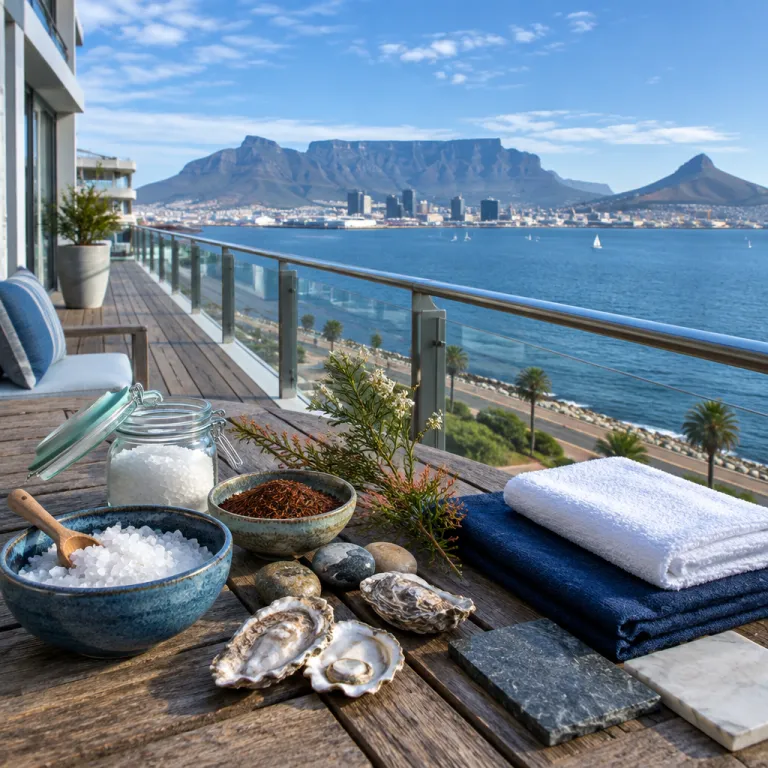
Where to stay in Cape Town for refined city centre elegance
Choosing where to stay in Cape Town starts with understanding how compact the central city really is. The historic core sits between Table Mountain and the working harbour, so you can walk from one end of the inner city bowl to the other in around twenty minutes at a relaxed pace. This tight urban grid makes it easy to base yourself on the city side of the mountain while still reaching the Atlantic seaboard in a short drive of roughly 10–15 minutes outside rush hour.
The city centre is the best area for travellers who want culture, dining, and business meetings in one place, because many of the most established hotels in Cape Town are clustered around the Company’s Garden and the financial district. Here you will find heritage addresses such as Mount Nelson, A Belmond Hotel, which anchors the edge of the city bowl with its palm lined driveway, pastel pink façade, and direct views of Table Mountain. Staying in this part of town south of the main arterial roads means you can move easily between galleries, government buildings, and the Cape Town International Convention Centre, usually in under ten minutes by car or a fifteen minute walk.
There are clear pros and cons to staying in the city centre compared with the bayside suburbs, and understanding them will shape your stay. On the positive side, you gain quick access to Kloof Street, Bree Street, and Longmarket Street, where some of the city’s best restaurants and cocktail bars are located, many with outdoor terraces and local wine lists. On the other hand, traffic noise, limited sea views, and occasional late night activity are the main drawbacks in this dense urban area, so light sleepers should request higher floors or courtyard facing rooms in their chosen hotel. Parking is often in secure underground garages rather than on the street, and mid range city centre hotels typically start around R2,000–R3,000 per night, with top tier properties running from roughly R5,000 upwards in peak season.
City bowl and Kloof Street: urban energy with mountain drama
When travellers ask where to stay in Cape Town for a blend of nightlife and nature, the answer is often the city bowl neighbourhoods that climb towards the mountain. These residential streets sit above the formal city centre, so you still remain on the Cape Town side of the ridge but gain more open views and leafy avenues. From here, Lion’s Head and Table Mountain feel close enough to touch, especially at sunrise when the cliffs glow orange and locals head out with dogs and takeaway coffee.
Kloof Street forms the spine of this city bowl area, lined with cafés, wine bars, and small independent hotels that appeal to guests who prefer character over formality. Many hotels in this district occupy converted townhouses or mid century blocks, and they often feature rooftop pools that frame the mountain and the distant sea. If you are extending a business trip from Johannesburg, this neighbourhood pairs well with a post work safari, and resources such as guides on adding Kruger after Joburg can help you plan the wider South Africa itinerary without losing precious time in transit.
The main advantage of staying in the city bowl rather than directly on the beach is time efficiency, because you can reach both the V&A Waterfront and Camps Bay in under twenty minutes by car outside peak traffic and around thirty minutes at rush hour. Metered taxis and ride hailing services are widely used here, and MyCiTi bus routes run along nearby main roads, although most visitors still rely on cars for flexibility. You will not be able to walk to the sea or any beach, so you must rely on transfers or rental cars, but in exchange you gain quieter residential streets at night and quick access to trailheads on Lion’s Head and Table Mountain for early morning hikes. Typical nightly rates range from about R1,800 for simple guesthouses to R4,000–R6,000 for stylish boutique hotels with views.
V&A Waterfront and Green Point: harbourfront luxury and easy access
Travellers who prioritise convenience often decide where to stay in Cape Town based on how quickly they can reach restaurants, shops, and tour departures on foot. The V&A Waterfront excels here, because this redeveloped harbour precinct combines hotels, a shopping mall, and a working marina in one secure pedestrian friendly zone. You can stroll from your hotel lobby to the departure point for Robben Island ferries or sunset cruises in less than ten minutes, and most major attractions within the precinct are linked by flat, well lit walkways.
The Victoria Alfred Hotel and other long standing properties at the V&A Waterfront offer front row views of the harbour, with Table Mountain rising behind the city skyline. Newer luxury openings, such as the Cape Town Edition at the Waterfront, are reshaping expectations of design led stays in South Africa, and industry analyses like the report on Marriott’s Cape Town Edition highlight how the area is evolving. Guests who stay on the city side of the harbour in this district enjoy easy access to both the city centre and the Atlantic seaboard, with typical driving times of 10–20 minutes to Sea Point or Camps Bay, making it a strategic base for first time visitors.
Just beyond the V&A Waterfront lies Green Point, a slightly quieter area that still offers great proximity to the sea and the city. Hotels in Green Point range from intimate designer properties to larger international brands, many facing the urban park and stadium, and several offer secure on site parking or valet services. The main downsides in this zone are heavier traffic at event times and the fact that you look towards the sea rather than directly onto a sandy beach, but in return you gain a central location that works well for both leisure and business travellers exploring the southern side of town and beyond. Budget around R2,500–R4,000 per night for mid range rooms at the Waterfront and R1,800–R3,500 in Green Point, with premium suites costing more in high season.
Sea Point and Camps Bay: Atlantic seaboard glamour and coastal walks
For many visitors, the decision about where to stay in Cape Town comes down to whether they want to wake up near the Atlantic Ocean. Sea Point and Camps Bay sit along the same stretch of coastline, yet they offer very different moods and price points for your stay. Both areas deliver fresh sea air, long promenades, and some of the best sunset views in South Africa, with locals gathering on benches and lawns as the sky turns pink.
Sea Point is a high rise suburb with a famous paved promenade that runs for several kilometres along the sea, attracting joggers, families, and cyclists at all times of day. Many hotels here face the ocean, so you can watch waves crash against the rocks even if there is no direct beach in front of your building, and some properties include heated outdoor pools or small spa areas overlooking the water. The main disadvantages of Sea Point are the busy main road and limited parking, but you gain quick access to Green Point, the V&A Waterfront, and the city centre in about 10–15 minutes by car without sacrificing that daily connection to the sea. Nightly rates typically start around R1,800 for simple seafront rooms and climb to R4,000–R6,000 for upscale ocean view suites.
Camps Bay, by contrast, curves around a wide sandy beach backed by palm trees and the Twelve Apostles section of Table Mountain, creating one of the most photographed bays in South Africa. Many travellers consider Camps Bay the best area for a resort style stay on the Cape Town side of the peninsula, with hotels and villas stepping up the hillside to maximise sea views, infinity pools, and outdoor decks for sunset drinks. Prices are higher and crowds swell in summer, so you may spend extra time in traffic when driving back into the city or towards the airport during peak periods, especially around late afternoon. Expect to pay from roughly R3,500 per night for basic sea facing rooms, with luxury hotels and villas often exceeding R8,000–R10,000 in summer.
Hout Bay and beyond: coastal villages within easy reach of the city
Some guests asking where to stay in Cape Town are surprised to learn that the metropolitan area stretches far beyond the immediate city bowl and Atlantic seaboard. Hout Bay, for example, lies around 20 kilometres from the city centre, yet it still forms part of greater Cape Town and offers a sheltered bay framed by steep mountains. This fishing village turned residential suburb appeals to travellers who prefer a quieter stay with easy access to both the Atlantic coast and the Constantia winelands, reached in about fifteen minutes by car.
Accommodation options in Hout Bay are fewer than in Sea Point or Camps Bay, but they often occupy larger plots with gardens, pools, and expansive views across the bay. Staying here works well for repeat visitors to South Africa who have already experienced the inner city and now want more space and a slower pace of life, with evenings spent at harbour side seafood restaurants or local markets. One of the disadvantages of Hout Bay is the extra driving time back to the V&A Waterfront or the city centre, especially during rush hour when the coastal roads can become congested and journeys can stretch to forty minutes or more.
For families planning a longer itinerary that combines the city, the bush, and the coast, Hout Bay can form the coastal chapter of a wider journey. Resources such as the guide to a bush, beach, and winelands safari plus itinerary show how easily Cape Town slots into a multi stop South Africa trip. Whether you choose to stay in Hout Bay or closer to the southern side of the mountain, the key is to balance driving time with the kind of scenery and atmosphere you value most. In this area, guesthouses and small hotels generally range from about R1,800 to R4,500 per night depending on views and facilities.
Iconic grand dames and character stays: choosing the right style of hotel
Once you have narrowed down where to stay in Cape Town by area, the next decision is what style of hotel suits your travel personality. The city offers everything from historic grande dames to intimate design focused properties, each shaping your stay in a different way. In the luxury segment, addresses such as Mount Nelson and the Victoria Alfred Hotel at the V&A Waterfront carry decades of heritage and service refinement, with loyal repeat guests returning year after year.
Mount Nelson, set in nine acres of gardens at the foot of Table Mountain, is particularly suited to guests who value space, privacy, and classic interiors. From here you can reach Kloof Street, the city bowl, and the main cultural institutions of the southern part of town in a short walk, while still retreating to lawns and pools that feel far from the city, complete with afternoon tea on the terrace. Down at the harbour, the Victoria Alfred Hotel places you directly on the quayside, so you can watch boats glide into the bay and enjoy some of the best harbour views in Cape Town without leaving the property, with many rooms opening onto balconies above the working marina.
Travellers who prefer smaller scale hotels will find many options in the city bowl, Green Point, and Sea Point, where independent owners have converted townhouses and apartment blocks into stylish retreats. These character filled hotels often provide more personalised service and a stronger sense of neighbourhood life, though one of the compromises in such properties can be fewer on site facilities compared with large international brands. Whether you choose a heritage icon or a contemporary design led stay on the city side of the mountain, focus on how the hotel’s atmosphere, location, and service philosophy align with the way you like to experience South Africa.
Balancing time, views, and access: how to decide your perfect base
With so many compelling districts, deciding where to stay in Cape Town ultimately comes down to balancing three factors, namely time, views, and access. If you have only a short stay, prioritise the city centre, the V&A Waterfront, or Green Point, because these areas minimise transfer times while still offering strong mountain and harbour views and easy walking routes. For longer trips, you can afford to base yourself in Sea Point, Camps Bay, or Hout Bay, where the sea and beach atmosphere become central to daily life.
Guests who value iconic scenery above all else often choose hotels along the Atlantic seaboard, where Lion’s Head and Table Mountain form a dramatic backdrop to every sunset. Those who prefer cultural immersion and dining variety usually gravitate towards the city bowl and Kloof Street, accepting the compromise of being away from the immediate shoreline in exchange for walkable streets and a more local feel. Business travellers, meanwhile, tend to favour the V&A Waterfront or the formal city centre, where meeting venues, corporate offices, and transport links are concentrated and airport transfers typically take 20–30 minutes by car.
Whichever area you select, remember that Cape Town is relatively compact compared with many global cities, so you can experience multiple neighbourhoods in a single stay. A common strategy is to split time between a city centre hotel and a sea facing property in Camps Bay or Sea Point, gaining the best of both urban and coastal South Africa. For example, a five day trip might include two nights near the Waterfront for museums and Robben Island, followed by three nights in Camps Bay for beach time and sunset dinners. By thinking carefully about how you want to spend each day, from sunrise hikes on Lion’s Head to evening drinks on the waterfront, you can ensure your chosen base enhances rather than limits your experience of this remarkable cape city.
Key figures on Cape Town travel and hotel stays
- According to Cape Town Tourism, the city welcomed roughly 2.6 million international air arrivals in the most recent pre pandemic period (2019), underscoring its status as one of South Africa’s primary gateways. More recent recovery updates should be checked directly with Cape Town Tourism for the latest figures.
- Data from the City of Cape Town indicates that tourism contributes close to 7 percent to the local gross geographic product, highlighting how central hotel and hospitality activity is to the urban economy. This share is based on pre pandemic assessments and is being recalibrated as visitor numbers rebound.
- Statistics South Africa reports that the Western Cape consistently records one of the highest average hotel occupancy rates in the country, often exceeding 60 percent during peak summer months. Occupancy levels vary by year and season, so travellers should consult recent Stats SA releases for current trends.
- Research by the Southern Africa Tourism Services Association shows that leisure travellers typically spend between 4 and 6 nights in Cape Town, which makes location choice critical for maximising limited time. This pattern has remained relatively stable across recent reporting periods.
- Airport Company South Africa figures reveal that Cape Town International Airport handled around 10 million passengers annually in the years immediately before 2020, with traffic gradually recovering as new routes return. Updated passenger totals are published regularly by ACSA and provide a useful indicator of demand for premium hotels across the city.
FAQ about where to stay in Cape Town
Which area is best for first time visitors to Cape Town ?
For a first stay, the V&A Waterfront or the adjacent city centre works well because you can walk to restaurants, shops, and many tour departures. These areas offer strong views of Table Mountain and the harbour while keeping transfer times short, with most inner city journeys taking under twenty minutes by car. They also provide a wide range of hotel categories, from international brands to character filled independents.
Is it better to stay in Camps Bay or Sea Point ?
Camps Bay suits travellers who want a sandy beach, resort style atmosphere, and dramatic sea and mountain views, though prices are higher and traffic can be heavy in peak season, especially at sunset. Sea Point offers easier access to the city centre and the V&A Waterfront, with a long promenade and ocean facing hotels but mostly rocky shoreline. Your choice depends on whether you prioritise a true beach or faster movement around the city.
How many days should I plan to stay in Cape Town ?
A minimum of four nights allows you to see the main city sights, visit the Cape Peninsula, and spend some time at the beach. Many travellers choose to stay between five and seven nights so they can add the winelands and still enjoy relaxed evenings on the waterfront. If you are combining Cape Town with a safari in South Africa, consider at least three full days in the city to justify the travel time.
Is the city centre safe for tourists at night ?
The city centre is busy and generally safe in the main tourist corridors, especially around the V&A Waterfront and well lit streets near major hotels. As in any large city, you should stay aware, avoid walking alone on quiet side streets late at night, and use reputable taxis or ride hailing services. Choosing a hotel with good front desk support, clear security measures, and guidance on which routes to use after dark will further enhance peace of mind.
Do I need a car to get around Cape Town from my hotel ?
You can comfortably rely on taxis and ride hailing services if you stay in the city bowl, the V&A Waterfront, Green Point, or Sea Point, because distances are short and MyCiTi buses cover key corridors. A rental car becomes more useful if you base yourself in Camps Bay, Hout Bay, or the outer suburbs, or if you plan multiple day trips to the Cape Peninsula and the winelands. Many luxury hotels can also arrange private drivers, which offers a convenient alternative to self driving.